
Blog
Printed Shirts vs Plain Shirts: Which Style Is Best for Men

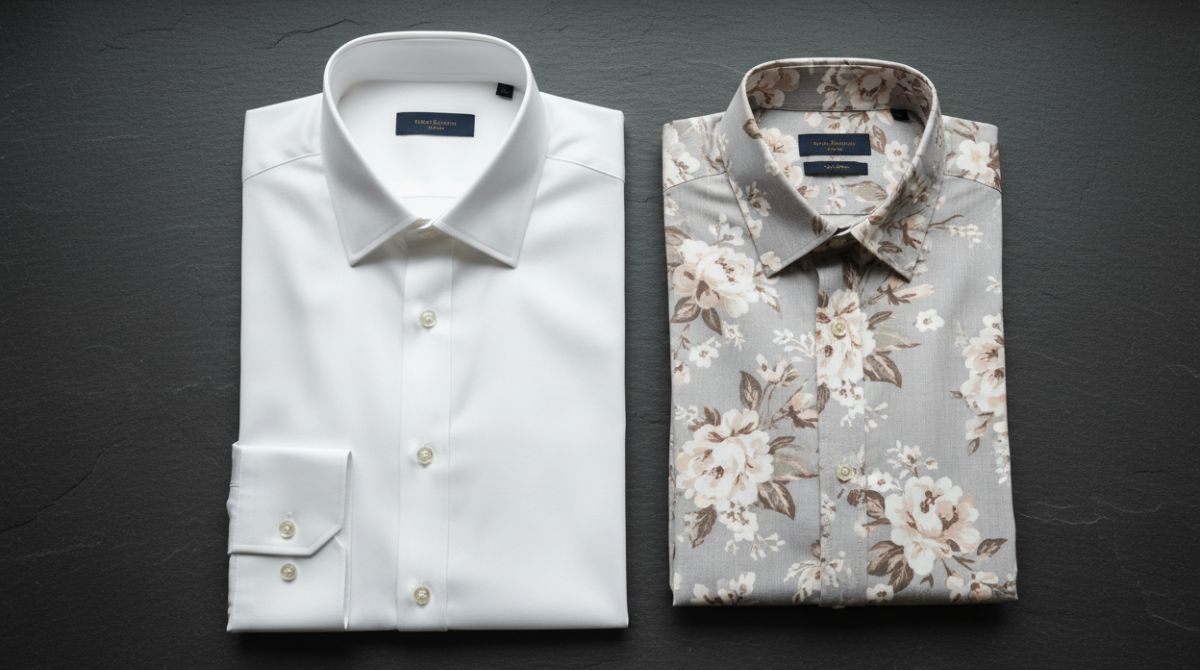
Printed shirts and plain shirts both earn a place in a man’s wardrobe, but they solve different style problems. The best choice depends on where you are going, how you want to be perceived, and how much attention you want your shirt to draw.
This guide breaks down when each option works best, how to match them with trousers and layering pieces, and how to build a rotation that feels effortless.
What Printed Shirts Communicate?
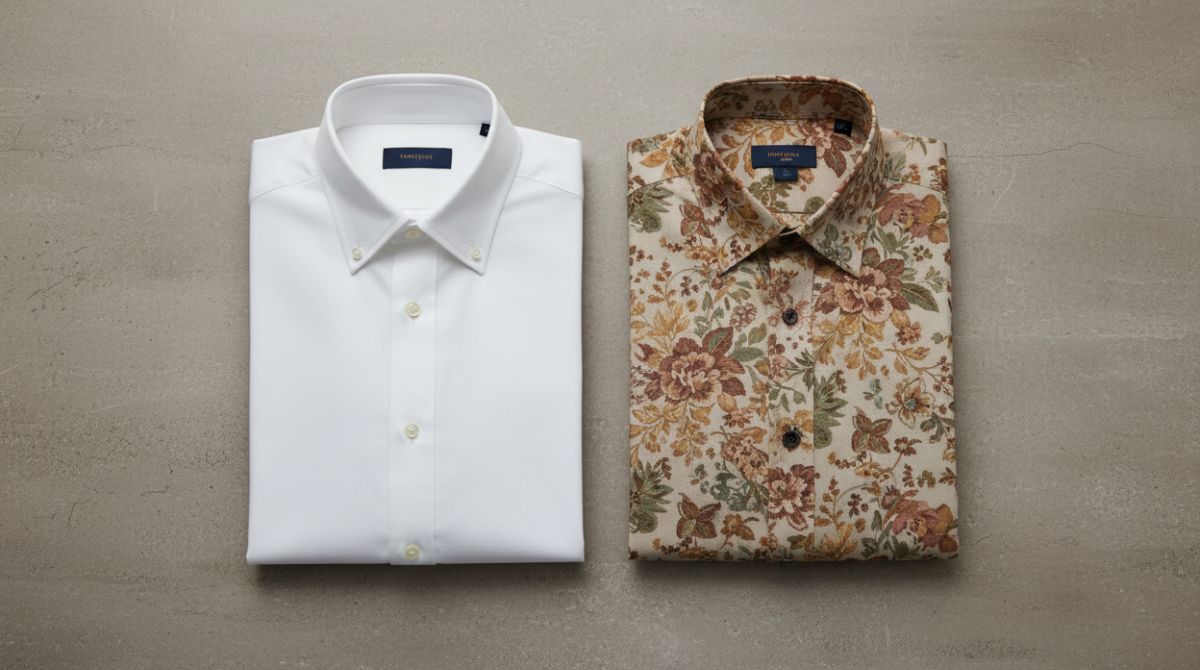
Printed shirts bring personality first. They can look confident and modern, but the print also becomes the main visual message in the outfit.
Because the pattern is doing more work, the rest of the outfit usually needs to stay quieter. That balance is what keeps a print looking intentional rather than loud.
What Plain Shirts Communicate?
Plain shirts create a clean line and put focus on fit, fabric, and grooming. They also make it easier to look sharp with minimal effort because the color reads as simple and controlled.
A plain shirt can still feel interesting when it has texture such as oxford weave, linen slub, or a brushed flannel finish. Those details add depth without adding pattern.
Occasion and Dress Codes
Dress codes often decide the winner before you even open your wardrobe. When the room expects restraint, plain shirts usually perform better and reduce the risk of looking underdressed.

Printed shirts fit best in smart casual settings, social plans, and creative workplaces where style is welcomed. They can also work in business casual when the print is small and the colors are muted.
- Formal settings. Plain shirts in white, light blue, or soft pastel shades are safest and most versatile.
- Business casual. Plain shirts or micro prints with tight spacing keep the look professional.
- Smart casual. Prints, stripes, checks, and textured solids all work when the fit is clean.
- Weekend casual. Bolder prints, camp collars, and relaxed fabrics feel natural and easy.
Once the dress code is clear, the next decision is how you want the outfit to read up close and from a distance.
Fit and Silhouette Matter More Than Pattern
A great fit makes both printed shirts and plain shirts look expensive. A poor fit makes both look sloppy, even when the fabric is good.
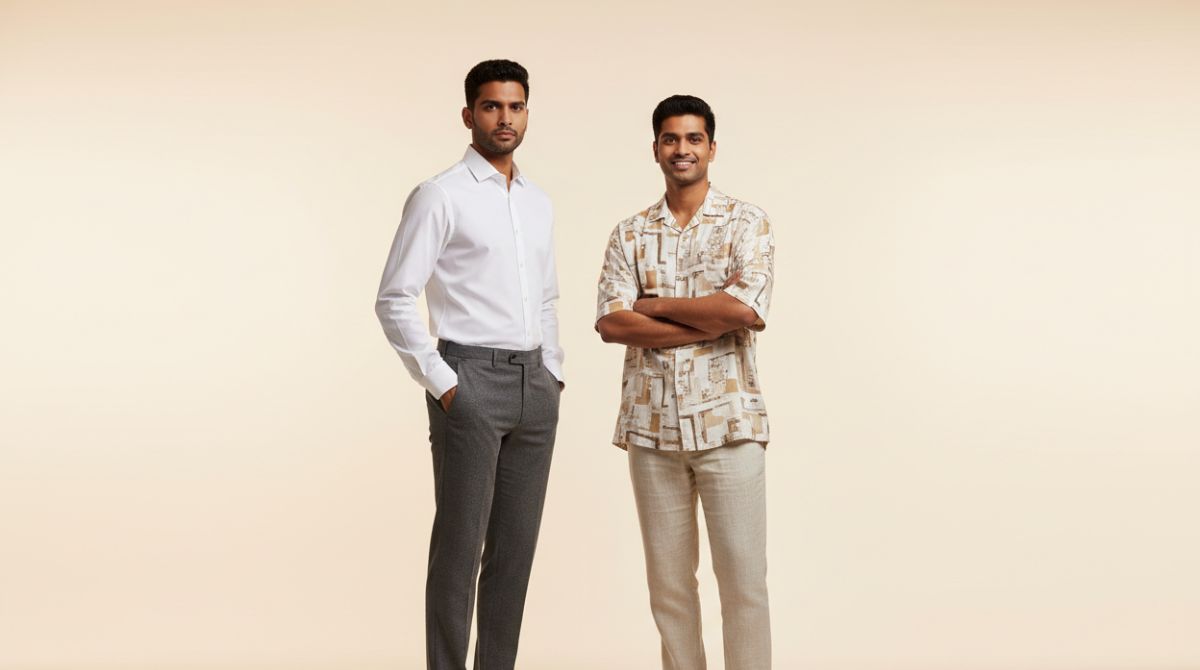
Focus on shoulder seams that sit at the shoulder point, a collar that lies flat, and sleeves that end near the wrist bone. In casual fits, a slightly relaxed drape can work, but avoid excess fabric ballooning at the waist.
- Slim to tailored fits. Best for tucking into chinos or trousers and for layering under knitwear.
- Regular fits. Easy for daily wear and forgiving across body types.
- Relaxed fits. Works well with prints when the vibe is vacation, resort, or streetwear.
After fit is right, fabric choice determines how the shirt feels, moves, and ages.
Fabric and Texture
Printed shirts often use poplin, rayon, viscose, or lightweight cotton that holds color well. Those fabrics drape smoothly and show patterns clearly, which is why prints can look crisp.
Plain shirts give you more freedom to lean into texture. Oxford cloth, chambray, linen, denim, and flannel can add richness without any pattern at all.
| Factor | Printed Shirts | Plain Shirts |
|---|---|---|
| Visual Impact | High, pattern leads the outfit | Low to medium, fit and fabric lead |
| Best Fabrics | Lightweight cotton, viscose, rayon blends | Oxford, linen, chambray, poplin, flannel |
| Easy Pairing | Works best with neutral bottoms | Pairs with almost any color palette |
| Layering Ease | Harder under busy jackets | Easy under blazers, sweaters, overshirts |
This comparison makes the tradeoff clear, prints create instant character while solids offer maximum flexibility.
Color Matching and Outfit Balance
Printed shirts look best when you repeat one color from the print somewhere else, such as shoes, belt, or outerwear. That repetition ties the look together without feeling forced.
Plain shirts allow more adventurous choices in trousers, jackets, and accessories. If you want to wear bold pants or statement sneakers, a solid shirt can keep the outfit grounded.
- With printed shirts. Choose neutral chinos, dark denim, or tailored trousers in black, navy, tan, or olive.
- With plain shirts. Add interest using patterned outerwear, textured trousers, or a contrasting knit.
- With white shirts. Nearly any color works, but watch for see-through fabric and choose proper undershirts.
When colors are under control, pattern scale becomes the next lever for getting the right vibe.
Print Scale and Pattern Type
Small prints read more refined and are easier to mix with classic menswear pieces. Large prints read more casual and can overpower the outfit if everything else is loose or colorful.
Checks, stripes, florals, geometrics, and abstract prints all live on a spectrum from subtle to bold. If you are unsure, start with small repeats in two or three colors and build confidence from there.
- Micro prints. Strong for business casual and dinners, especially in navy, charcoal, and cream.
- Medium prints. Great for smart casual outfits with denim or chinos.
- Large prints. Best for relaxed settings, resort styles, and statement looks.
With prints, scale and spacing matter as much as the graphic itself, so choose with distance in mind.
Layering with Jackets and Knitwear
Plain shirts are the easiest base layer under blazers, bomber jackets, overshirts, and cardigans. They keep the outfit clean and let outer layers take the spotlight.
Printed shirts can still layer well when you simplify everything else. A solid neutral jacket over a print often looks sharper than mixing multiple patterns.
- Blazers. Plain shirts win for a sleek look, while micro prints can add controlled interest.
- Leather and denim jackets. Both shirt types work, but keep the rest of the palette simple with prints.
- Sweaters. Plain shirts feel classic, while a subtle print peeking at the collar feels modern.
Layering becomes much easier when collar shape and shirt length also match the outfit’s purpose.
Collars, Cuffs and Shirt Length
Collar choice can push a shirt toward formal or casual, regardless of pattern. Spread and point collars feel more polished, while button-down collars are relaxed and versatile.
Pay attention to hem length. Longer hems are built for tucking, while shorter hems sit better untucked with jeans or shorts.
- Camp collars. Best with prints and relaxed fabrics for warm weather outfits.
- Button-down collars. Excellent in plain oxford shirts for smart casual wardrobes.
- French cuffs. Typically pair best with plain shirts in formal settings.
These construction details help you choose the right shirt even before considering color or pattern.
Care, Longevity and Cost Per Wear
Plain shirts often deliver a lower cost per wear because they match more outfits and age gracefully. They also hide small fading better when the fabric has texture.
Printed shirts can show wear sooner if colors fade unevenly or if the print cracks on cheaper fabric. Gentle washing, cold water, and air drying help keep prints crisp.
- Washing. Turn printed shirts inside out and avoid hot cycles to protect color.
- Ironing. Use lower heat for synthetic blends common in printed styles.
- Storage. Hang structured shirts and fold softer camp-collar styles to prevent collar distortion.
Better care keeps both styles looking sharp and extends the time between replacements.
Building a Balanced Wardrobe
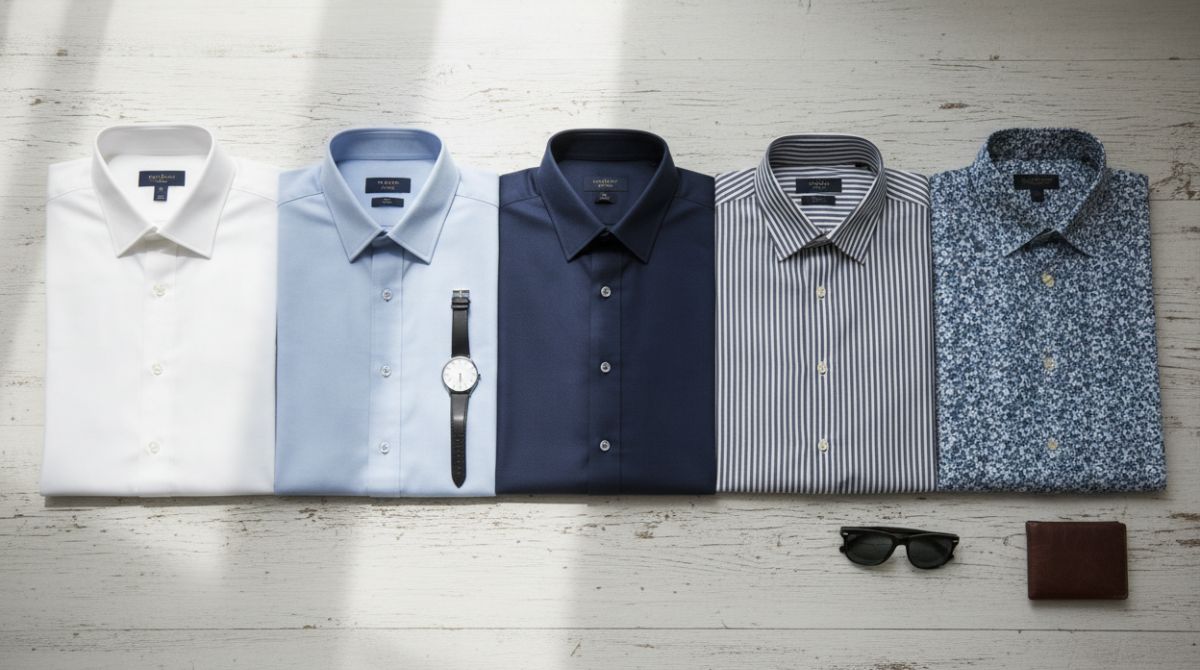
Most men get the best results by owning more plain shirts than printed shirts. Solids create a reliable base, while a smaller set of prints adds variety and personality.
A practical approach is to choose plain shirts in core colors, then add prints that match your existing trousers and shoes. This prevents prints from becoming occasional pieces that rarely leave the hanger.
- Core plain colors. White, light blue, navy, charcoal, and an earthy tone like olive or sand.
- Starter prints. Small checks, subtle stripes, or micro florals in two to three compatible colors.
- Seasonal fabrics. Linen and lightweight cotton for heat, flannel and heavier oxford for cold.
With a balanced mix, you can dress up or down quickly without feeling stuck in one look.
Conclusion
Printed shirts are best when you want expression, energy, and a focal point that carries the outfit. Plain shirts are best when you want flexibility, clean polish, and easy pairing across dress codes.
Choose based on occasion, fit, fabric, and how much visual impact you want. With a solid foundation of plain shirts and a curated set of prints, most men can cover nearly every setting with confidence.