
Blog
How to Take Care of Men’s Shirts: Washing, Ironing and Storage Tips


A good shirt should look sharp, feel comfortable and hold its shape for years. That only happens when washing, ironing and storage match the fabric and the build of the shirt.
This guide focuses on practical care habits that protect collars, cuffs, seams, color and finish. Use it to cut down on shrinking, yellowing, fading and wrinkling without overcomplicating your routine.
Know Your Shirt Fabric And Construction
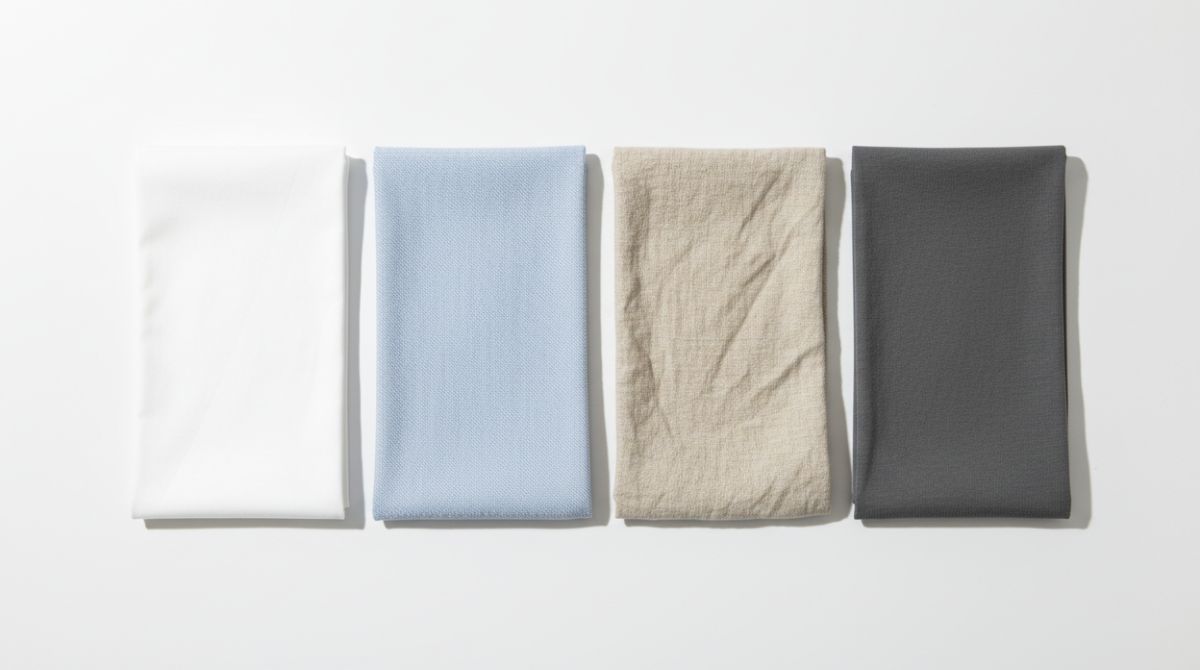
Care starts with fabric because cotton, linen and synthetics react differently to heat, water and friction. Stitching density, fused collars and interlining also affect how a shirt behaves after laundering.
Check the care label and treat it as a baseline, not a suggestion. When the label is missing, assume a gentler approach until you confirm how the fabric responds.
- Poplin And Broadcloth: Smooth weaves that show wrinkles easily and respond well to careful ironing.
- Oxford Cloth: Hardier texture that tolerates more agitation but can hold onto body oils in the collar area.
- Linen Blends: Breathable but prone to creasing and best handled with lower spin and prompt drying.
- Stretch Cotton With Elastane: Benefits from cooler water and lower heat to prevent fiber fatigue.
Once you know what you are working with, you can set a consistent routine that avoids trial and error.
Pre Wash Checks That Prevent Damage
Small details cause most shirt problems, especially cracked buttons, frayed plackets and twisted seams. A quick inspection takes seconds and saves repairs.
Always empty pockets and remove collar stays if they are removable. Close buttons except the collar button so the shirt holds shape without stressing the buttonholes.
- Spot Treat Early: Target deodorant marks, makeup and food drips before they set in.
- Protect Hardware: Turn shirts inside out if they have contrast buttons or delicate trims.
- Sort By Weight And Color: Separate whites, lights, darks and heavy items that increase abrasion.
These checks make the wash cycle more predictable and keep fabrics from aging prematurely.
Washing Settings That Keep Shirts Crisp
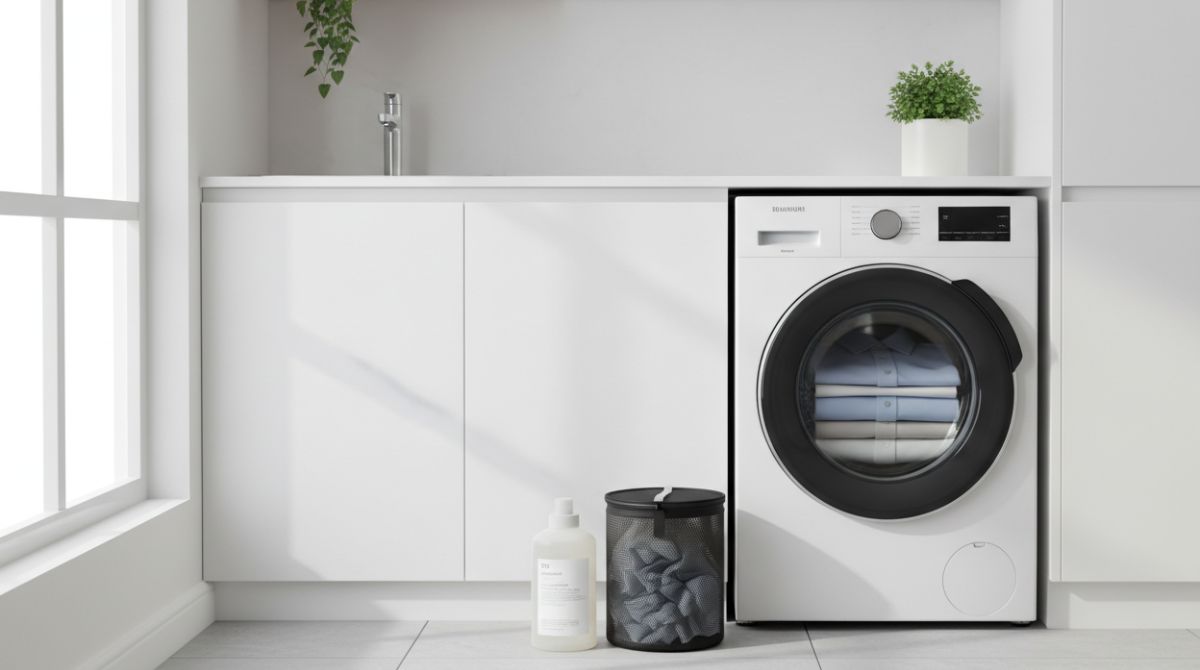
Shirts look best when the wash is clean but not harsh. The goal is to remove sweat and oils while limiting friction and excessive heat.
Use cool to warm water for most cotton shirts and reserve hot water for heavily soiled whites when the label allows it. Choose a gentle or normal cycle depending on weave thickness and avoid overloading the drum.
- Measure Detergent Correctly. Too much detergent traps residue that stiffens fabric and attracts grime.
- Use A Mesh Bag When Needed. It reduces stretching for lightweight dress shirts and protects buttons.
- Rinse Thoroughly. An extra rinse helps if water is hard or collars feel scratchy after drying.
With the wash dialed in, you can control wrinkles and shrinkage before ironing even begins.
Handling Stains On Collars, Cuffs And Underarms
Collars and cuffs collect skin oils and dust, while underarms trap sweat salts and deodorant. Treat these zones with targeted products rather than stronger cycles that wear out the whole shirt.
Work on stains before washing and avoid high heat until the stain is gone. Heat sets protein and oil stains deeper into fibers.
- Collar Ring: Apply a small amount of liquid detergent, gently massage with fingers and wait a few minutes before washing.
- Deodorant Buildup: Use a fabric safe stain remover and rinse well to prevent chalky residue.
- Ink And Dye Transfer: Blot carefully and treat promptly, then wash separately to prevent spreading.
Consistent stain control keeps shirts looking new and reduces the need for aggressive laundering.
Drying Methods That Reduce Wrinkles And Shrinkage
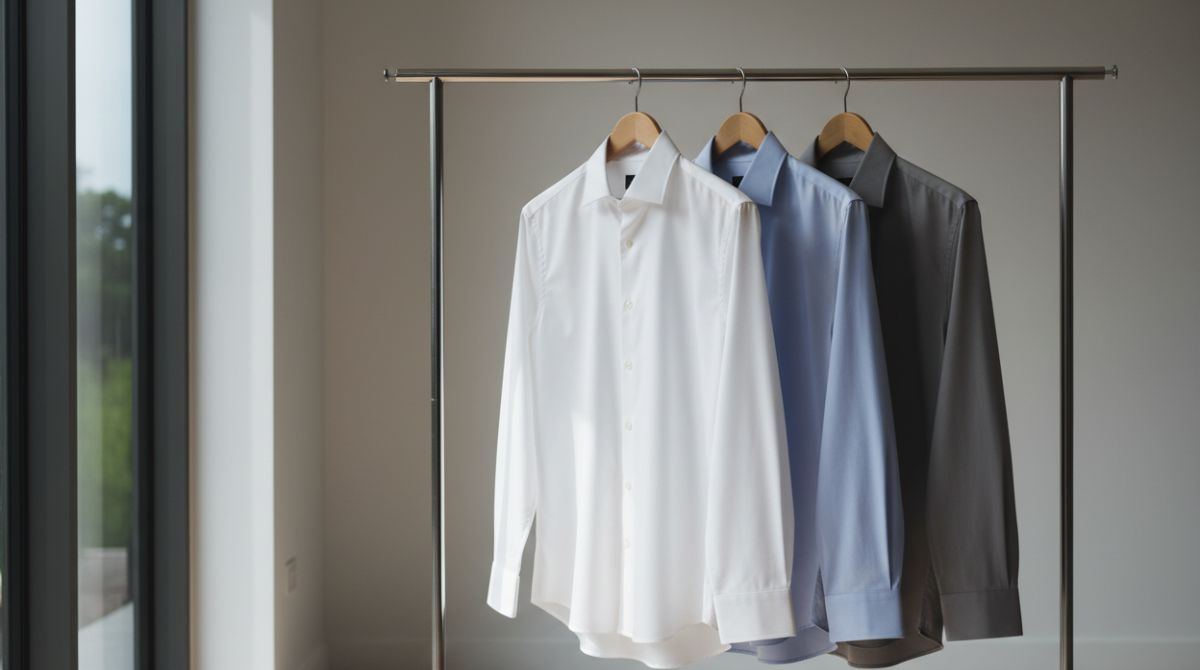
Drying is where many shirts lose their fit, especially in collars, sleeve length and chest width. High heat weakens cotton fibers and can distort fused components.
Air drying on a hanger gives the smoothest result with the least stress. If you use a dryer, choose low heat and remove shirts while slightly damp to finish drying on a hanger.
- Shake And Smooth: Snap the shirt lightly, align seams and smooth the placket before hanging.
- Avoid Sun For Darks: Direct sun fades navy and black faster than indoor drying.
- Do Not Overdry: Overdrying creates deep wrinkles that take longer to iron out.
Better drying habits shorten ironing time and help shirts keep their tailored shape.
Ironing And Steaming For A Professional Finish
Ironing works best when the fabric is slightly damp because fibers relax faster. A spray bottle with clean water helps when shirts have fully dried.
Set the iron temperature to match the fabric and keep the soleplate clean to avoid shine marks. Use steam on cotton and linen and press rather than drag to protect the weave.
- Start With Collar. Press the underside first, then the top, working from points toward the center.
- Move To Cuffs. Lay cuffs flat and press carefully around buttons without crushing them.
- Press Sleeves Next. Align the seam and press from shoulder to cuff, keeping creases consistent.
- Finish With Front And Back Panels. Work around the placket, then press the yoke and back in sections.
If you prefer steaming, use it to relax wrinkles and then hand smooth key areas like plackets and pocket edges.
Storage Tips That Prevent Creases And Yellowing
Storage affects how a shirt looks the next time you wear it. Poor hangers, crowded closets and damp environments cause shoulder bumps, set-in wrinkles and stale odors.
Use sturdy hangers that support the shoulder line and give shirts space so fabric can breathe. Keep shirts fully dry before storing to avoid mildew and collar discoloration.
- Choose The Right Hanger: Wide wooden or structured plastic hangers prevent sharp shoulder creases.
- Button Strategically: Button the top two buttons on dress shirts to help collars keep shape.
- Control Closet Humidity: Use ventilation and keep shirts away from damp walls and bathroom steam.
- Rotate Wear: Give shirts rest days so fibers recover and odors dissipate fully.
Smart storage reduces how often you need to iron and keeps whites brighter over time.
Quick Care Reference Table
Use this chart as a simple baseline for common shirt types. Always adjust to the care label and your local water conditions.
| Shirt Type | Wash And Dry Setting | Iron And Storage Tip |
|---|---|---|
| Cotton Dress Shirt | Cool to warm wash, low spin, hang dry or low heat and remove damp | Iron with steam while slightly damp, hang on wide hanger |
| Oxford Button Down | Warm wash on normal, avoid overloading, hang dry for fewer wrinkles | Press collar and placket well, give space in closet |
| Linen Or Linen Blend | Cool wash on gentle, low spin, air dry to reduce shrink | High steam with moderate heat, store loosely to avoid hard creases |
| Stretch Cotton Blend | Cool wash on gentle, skip high heat drying, reshape on hanger | Lower iron heat, avoid heavy starch, hang to preserve stretch |
Common Mistakes That Ruin Shirts
Many shirt issues come from a few repeatable habits. Fixing them improves fit and appearance quickly.
- Using Too Much Heat: High heat shrinks fibers, bakes in stains and breaks down elastane.
- Ignoring Collar And Cuff Buildup: Oils accumulate and yellowing becomes harder to remove over time.
- Overloading The Washer: Crowding increases wrinkles and abrasion, especially along seams and edges.
- Storing Slightly Damp: Even mild moisture can cause musty odor and discoloration.
Correcting these mistakes keeps shirts crisp with less effort week after week.
Conclusion
Taking care of men’s shirts is mostly about controlling heat, friction and time. Wash with the right settings, treat collars and underarms early and dry in a way that preserves shape.
Iron in a consistent order, then store shirts with proper support and enough space to breathe. These habits keep fabrics smoother, colors cleaner and fits more reliable across repeated wears.