
Blog
How to Match Cufflinks with a Shirt and Tie? A Men’s Style Guide

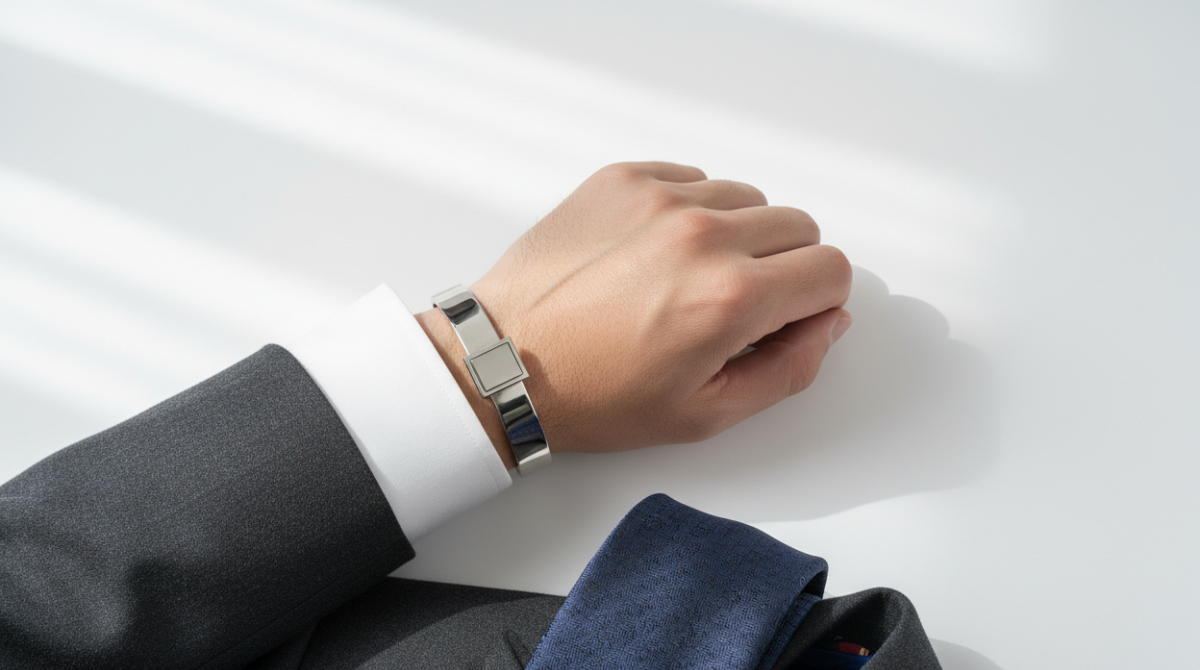
Cufflinks sit at the intersection of tailoring and personal taste. When they match your shirt and tie with intention, the whole outfit looks sharper without looking busy.
The goal is balance, not perfection. A few reliable rules make it easy to choose cufflinks for work, weddings, black tie and everything between.
Start With The Shirt Cuff
Cufflinks only work with cuffs designed for them. French cuffs are the classic choice, but some barrel cuffs also accept cufflinks if they have dual buttonholes.
Check the cuff stiffness and the shirt fabric weight. A very soft cuff can droop under heavy links, while a firm cuff can handle larger designs cleanly.
French Cuffs Versus Convertible Cuffs
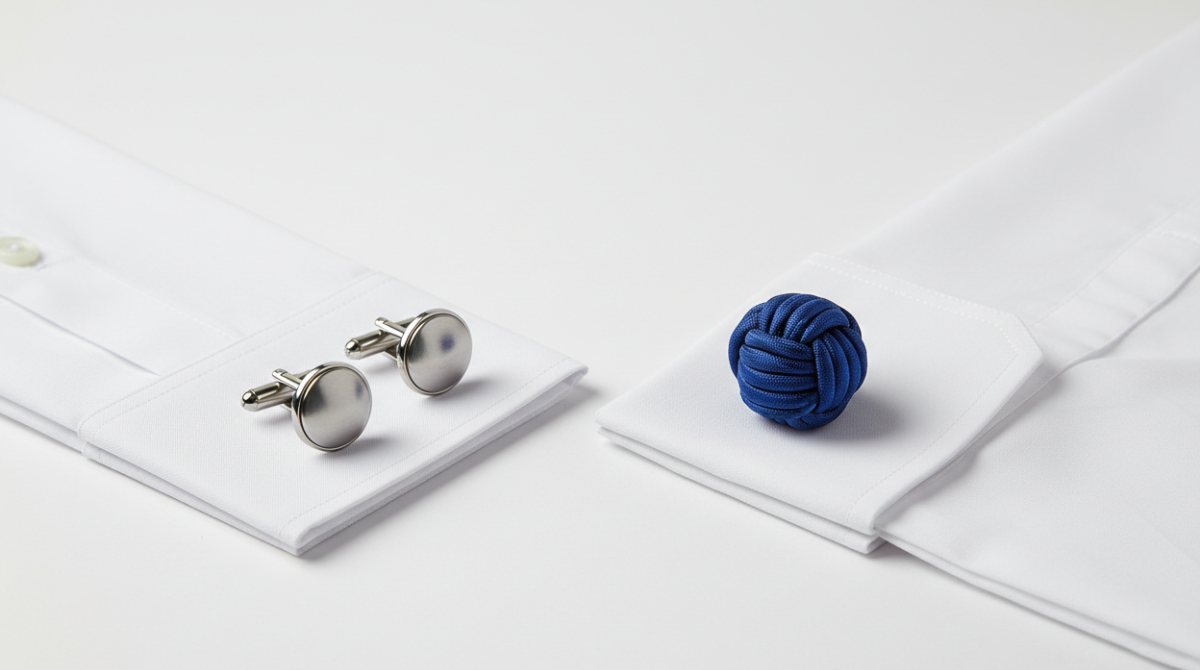
French cuffs fold back and create a thick, structured edge. They look most natural with metal cufflinks, silk knots, or subtle enamel faces.
Convertible cuffs switch between buttons and cufflinks. They lean slightly more casual, so smaller and simpler links usually look best.
White And Blue Shirts Give You The Most Range
White shirts support almost any cufflink color, metal, or stone. They also pair well with formal ties, textured ties and darker suits.
Light blue shirts are nearly as flexible, especially with silver tone or steel cufflinks. Darker shirts require more restraint because cufflinks become high contrast quickly.
Match Formality Before Color
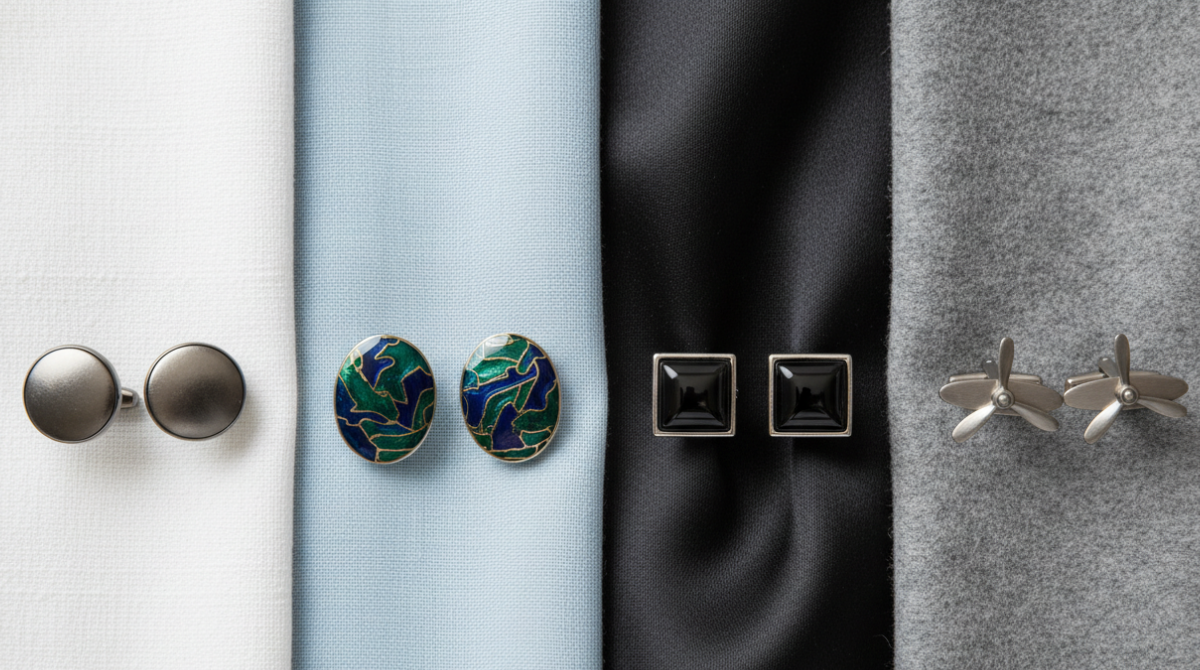
Formality is the first filter. If the cufflinks are more formal than the rest of the outfit, they can look like a mismatch even when the colors coordinate.
Use the event and the suit as the baseline. Then choose a cufflink style that lives in the same dress code lane as the shirt and tie.
- Business and interviews: Small, polished and minimal. Think round or oval faces in silver tone, gunmetal, or gold tone.
- Weddings and dressy evenings: A bit more shine or color works well, especially with enamel, mother of pearl, or subtle stones.
- Black tie: Classic studs and cufflinks in onyx, mother of pearl, or plain polished metal. Keep them refined and low profile.
- Smart casual: Textured metals, brushed finishes, or simple novelty shapes that still look tasteful.
Once formality is aligned, color matching becomes straightforward and looks intentional.
Use Metal As Your Anchor
Metal tone is the easiest way to unify cufflinks with the rest of your accessories. Treat it as the anchor that connects your watch, belt buckle, tie bar and ring choices.
Silver tone works with most suit colors and cooler palettes. Gold tone feels warmer and can add richness to brown shoes, tan suits and earthy ties.
Silver Tone, Gold Tone And Mixed Metals
Silver tone suits stainless watches, white metals and cooler ties like navy, burgundy and charcoal. It also looks clean against white and blue shirts.
Gold tone pairs naturally with warm ties like brown, olive, rust and deep green. If you mix metals, keep one dominant tone and let the other appear as a small accent.
Match The Finish To The Outfit Texture
High polish reads dressier and sharper, which works well with worsted wool suits and smooth silk ties. Brushed or matte finishes feel more relaxed and pair nicely with flannel, tweed and knit ties.
If your tie has a strong texture, cufflinks with a softer finish keep the outfit from looking too shiny. If the tie is smooth and glossy, a polished cufflink helps the look feel cohesive.
Coordinate Color With The Tie Without Overmatching
Ties often carry the most color in menswear, so they naturally guide your cufflink choice. The best matches feel related, not identical.
Use one shared idea such as tone, temperature, or a small accent color. When the cufflinks and tie match exactly, the result can look overly planned.
Solid Ties
Solid ties leave room for cufflinks with subtle color or pattern. Navy ties pair well with silver, steel, lapis, or dark enamel, while burgundy ties look strong with silver, gunmetal, or deep red accents.
If the tie is very bright, keep cufflinks neutral. Let the tie be the statement and make the cufflinks supportive.
Striped And Patterned Ties
With stripes, pick a cufflink color that echoes one stripe color, not all of them. This keeps the outfit clean and reduces visual noise.
With small repeating patterns, lean toward simple shapes and solid finishes. Complex cufflinks plus complex tie patterns can compete at arm’s length.
Match Cufflinks With The Shirt And Tie Using A Simple Matrix
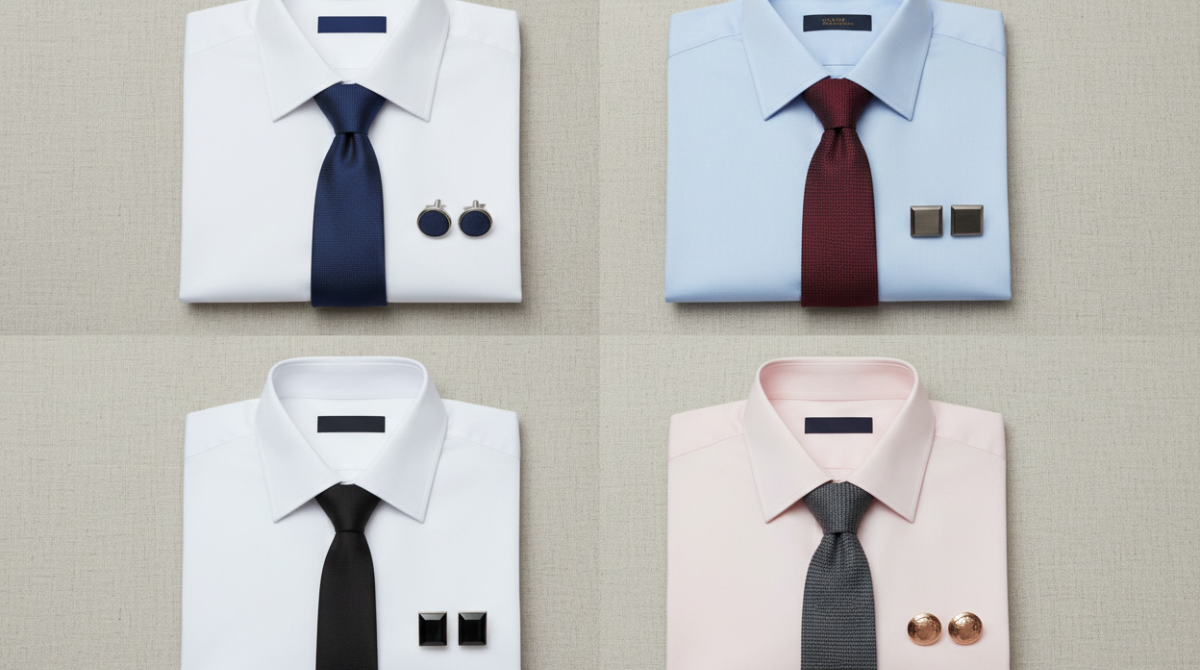
A quick matrix can help you make choices faster when getting dressed. It also keeps you from defaulting to the same pair every time.
| Shirt And Tie Combination | Best Cufflink Choice | Why It Works |
|---|---|---|
| White Shirt And Navy Tie | Silver Tone Or Dark Blue Accent | Cool tones stay crisp and business ready |
| Light Blue Shirt And Burgundy Tie | Silver Tone Or Gunmetal | Neutral metal balances the warm tie |
| White Shirt And Black Tie | Onyx, Black Enamel, Or Plain Polished Metal | High contrast stays formal and clean |
| Pink Shirt And Grey Tie | Rose Gold Or Silver With Soft Pearl | Gentle warmth complements pink without shouting |
Use the table as a baseline, then adjust based on your suit color and the rest of your accessories.
Pick The Right Shape And Scale
Size matters more than most people think. Oversized cufflinks can look cartoonish on a slim cuff, while tiny links can disappear on thick French cuffs.
As a rule, the cufflink face should sit neatly inside the cuff edge without dominating it. If you wear a slimmer watch, keep cufflinks on the smaller side for harmony.
Classic Shapes That Always Work
Round, oval, square and simple knots work in almost every setting. They also pair easily with most tie widths and lapel shapes.
Novelty shapes are fine in relaxed environments, but they should still look like jewelry, not a toy. If the tie is formal, keep cufflinks classic.
Use Stones, Enamel And Mother Of Pearl Wisely
Colored inlays can tie your cufflinks to your tie without forcing an exact match. The key is keeping the color area small and the setting refined.
Mother of pearl reads elegant and soft, which suits weddings, formal dinners and lighter ties. Onyx and black enamel are sharp and best for evening wear or black tie looks.
- Blue stones and enamel: Work with navy, grey and white palettes and look especially clean with blue shirts.
- Red accents: Pair best with burgundy ties, not bright red ties, for a more mature look.
- Green accents: Pair well with olive and forest tones and look richer with gold tone metals.
- Pearl and light inlays: Keep the outfit airy and formal without extra shine.
After you choose an accent material, keep the rest of the look quiet so the details read as intentional.
Common Mistakes That Break The Look
Small missteps can make cufflinks look disconnected from the outfit. Most issues come down to conflicting formality or too many competing details.
- Mismatched metal family: A bright yellow gold cufflink with a stainless watch can look accidental unless the outfit includes other warm metal accents.
- Too much shine at once: A glossy tie, shiny lapels and mirror polished cufflinks can feel loud under bright lighting.
- Overmatching colors: Exact tie and cufflink color matches can look costume like instead of refined.
- Cufflinks fighting the tie bar: If you wear a tie bar, keep it in the same metal tone and similar finish.
Fixing one of these issues usually brings the whole outfit back into balance.
Conclusion
Matching cufflinks with a shirt and tie starts with the cuff type and the event’s formality. Once that is set, anchor the look with a consistent metal tone and choose color accents that relate to the tie without copying it.
Keep scale proportional, finishes aligned with fabric texture and details restrained. When cufflinks support the outfit instead of dominating it, your style reads confident and polished.