
Blog
Formal vs Casual Shirts: Key Differences Every Man Should Know

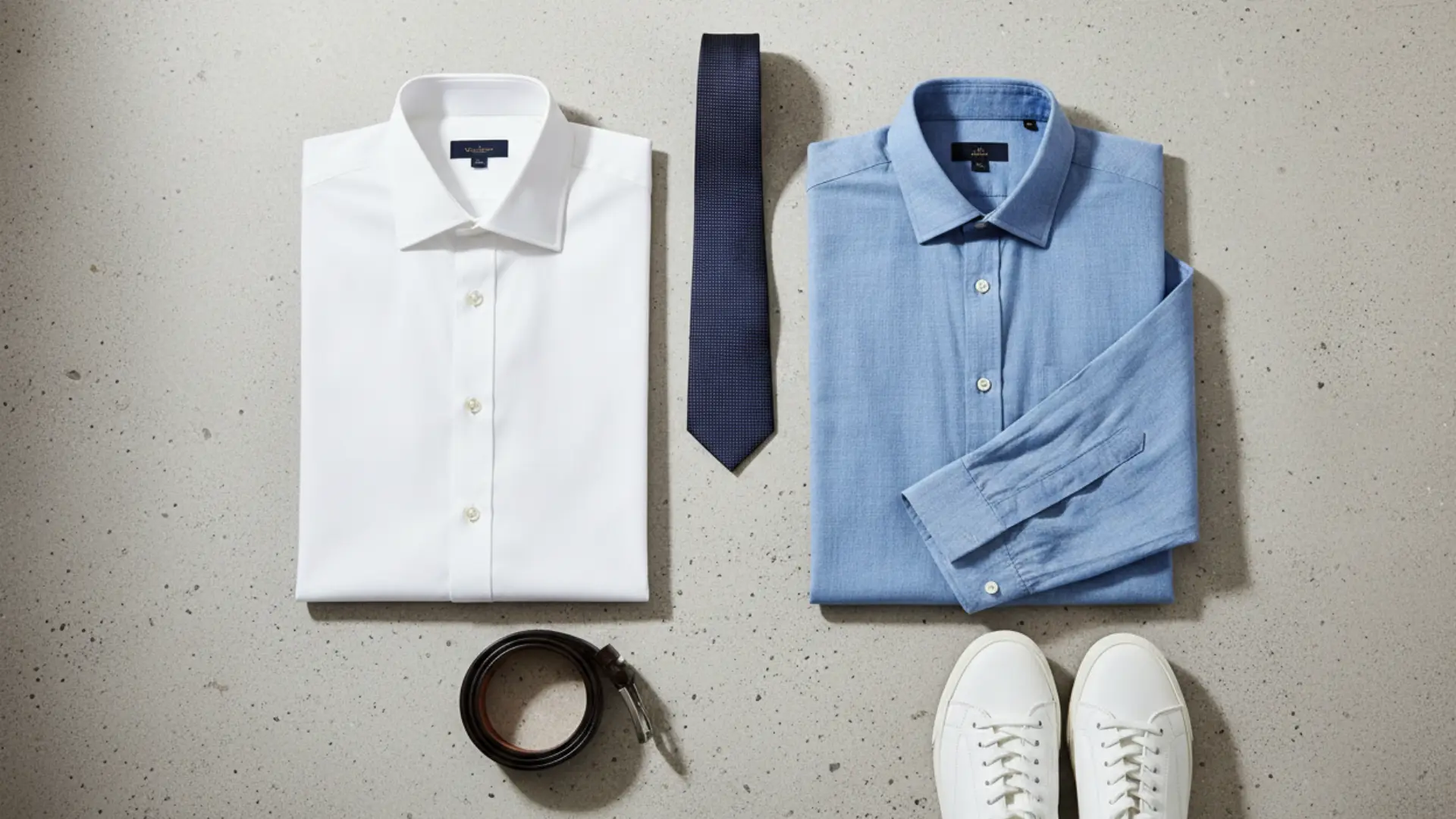
Formal shirts are crisp, structured and designed to support tailoring. Casual shirts are softer, more textured and built to look good on their own with relaxed pieces.
When deciding between them, focus on fabric, collar structure and visible details. If the full outfit matches the shirt level of formality, you will look intentional and confident.
What Is A Formal Shirt?
A formal shirt is designed to look clean, structured and refined under tailored clothing. It pairs naturally with a suit, blazer or dress trousers and holds its shape throughout the day.
Most formal shirts use smoother fabrics, sharper collars and minimal visual texture. The goal is a polished surface that complements ties, jackets and formal shoes without competing for attention.
Common traits include a crisp point or spread collar, long sleeves and a more fitted cut that sits neatly under a jacket. Details are usually subtle, with fewer decorative elements.
What Is A Casual Shirt?
A casual shirt is built for comfort, versatility and relaxed styling. It can stand alone without a jacket and still look intentional, whether tucked or untucked.
Casual shirts often use textured weaves and softer construction. They can include button-down collars, chest pockets, contrast stitching or playful patterns that would feel out of place in stricter dress codes.
Because casual shirts are less rigid, they work well with denim, chinos and casual layering pieces. The overall feel is easy, approachable and less formal in finish.
Formal Vs Casual Shirts Main Differences
The difference is not just whether you wear a tie. It comes down to construction, fabric and how the shirt reads from a distance.
Use the table below as a quick reference when comparing shirts in a store or your own wardrobe.
| Feature | Formal Shirt | Casual Shirt |
|---|---|---|
| Fabric And Texture | Smooth poplin, twill or fine broadcloth with a crisp hand feel | Oxford, chambray, flannel, linen, denim or textured weaves |
| Collar Style | Point, spread or cutaway designed for ties and jackets | Button-down, camp collar, band collar, softer shapes |
| Patterns And Colors | Solid white, light blue, pinstripes, subtle checks | Bolder checks, prints, darker tones, washed finishes |
| Details And Finish | Minimal pockets, clean placket, refined buttons | Pockets, contrast buttons, visible stitching, rolled sleeves |
| Fit And Hem | Tailored fit, longer hem intended to stay tucked | Relaxed fit options, often shorter hem for untucked wear |
Once you can read these cues, you can avoid mismatches like a heavy flannel under a suit jacket or a shiny dress shirt with sneakers.
Fabric And Weave
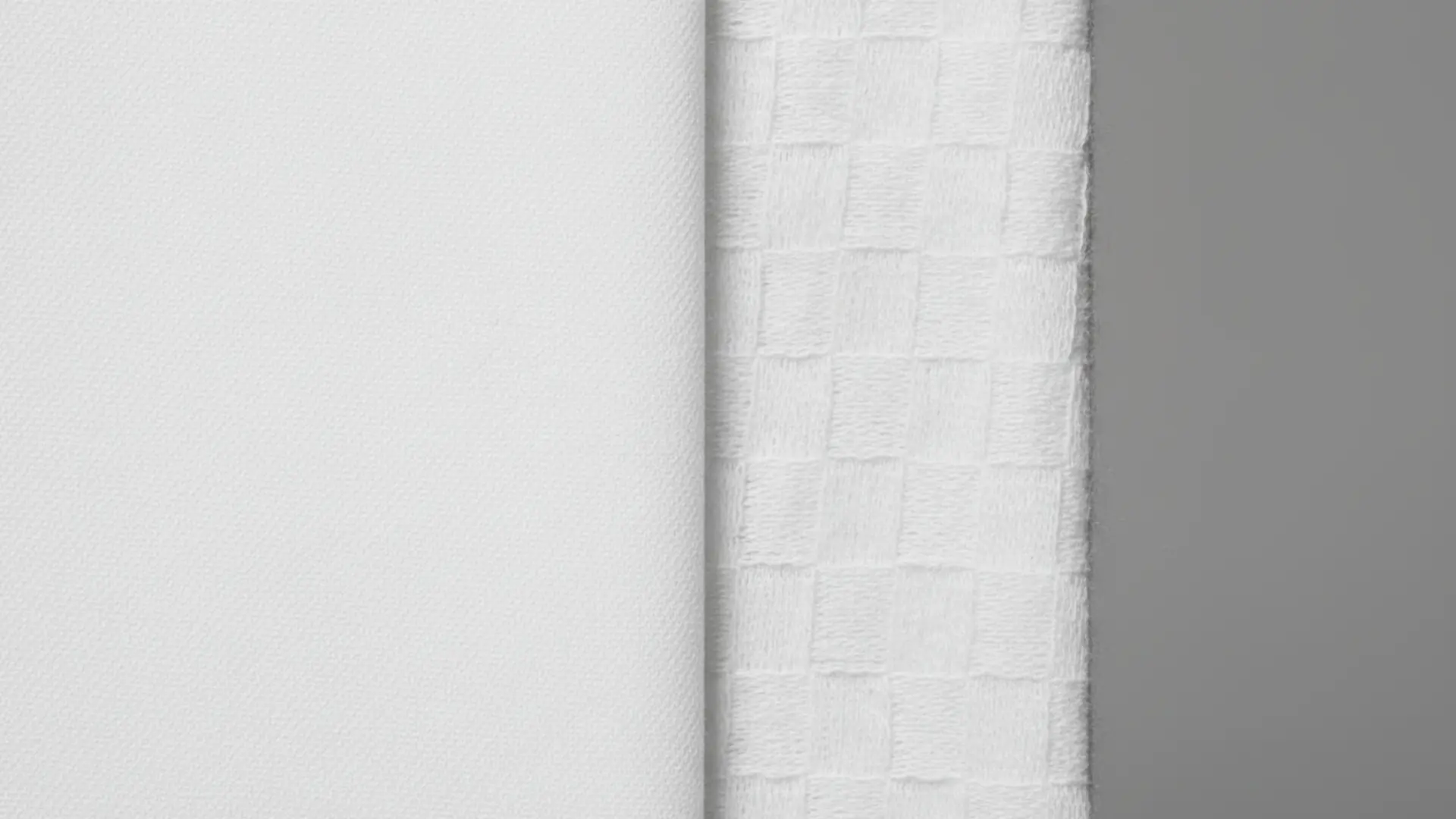
Formal shirts typically use tighter weaves that look smooth in office lighting and photos. Poplin and twill are common because they drape cleanly and press well.
Casual fabrics show more character. Oxford cloth has a basket weave texture, linen has natural slub and flannel adds softness and warmth that signals relaxed wear.
Collar And Cuff Structure
A formal collar usually has firmer interfacing, so it keeps a sharp line under a jacket. Cuffs tend to be more structured as well, with clean edges and balanced proportions.
Casual collars often have softer construction and may sit lower on the neck. Button cuffs are common on both, but casual shirts can have more relaxed cuff shapes and easier rolling.
Placket, Buttons And Stitching
Formal shirts aim for low-contrast details. Buttons are often simple and lighter in color and stitching is understated so the shirt looks refined from every angle.
Casual shirts can use thicker buttons, visible stitching and design elements like flap pockets. These features add visual interest when the shirt is worn on its own.
Patterns, Color And Shine
A formal shirt stays close to classic colors and small-scale patterns that coordinate with suits and ties. A slight sheen can exist in some fabrics, but it should not look glossy.
Casual shirts can handle bigger checks, prints and deeper colors because they are not competing with formal tailoring. Faded washes and garment dye effects also lean casual.
When To Wear A Formal Shirt?

A formal shirt works best when the setting expects structure and restraint. It is the safest option when you need to look professional and put-together.
- Business Meetings: A crisp shirt supports a clean suit line and signals attention to detail.
- Job Interviews: A solid light color keeps the focus on your face and makes styling simple.
- Weddings With Formal Dress Codes: A proper collar and smooth fabric pair well with a tie or bow tie.
- Presentations And Client Visits: A structured shirt holds up under bright lights and long wear.
If you are unsure, default to a formal shirt in white or light blue. It reads correct in most dressier environments.
When To Wear A Casual Shirt?

Casual shirts shine when comfort, texture and personality matter more than strict polish. They give you flexibility across weekends, travel days and relaxed workplaces.
- Smart Casual Offices: Oxford shirts and subtle checks look sharp without feeling stiff.
- Weekend Plans: Linen, chambray and casual prints work well untucked with clean shoes.
- Layered Outfits: Textured shirts pair naturally with overshirts, knitwear and casual jackets.
- Warm Weather Dressing: Linen and lighter casual weaves feel breathable and relaxed.
When you choose a casual shirt, pay attention to proportion. A shorter hem and softer collar help it look right when worn without tailoring.
How To Choose Between Formal And Casual Shirts?
Choosing well comes down to matching the shirt to the formality of your trousers, shoes and outer layer. The shirt should look like it belongs with the rest of the outfit.
Use these checkpoints to decide quickly when you are getting dressed.
- Start With The Occasion. If a tie or suit is expected, choose a formal shirt with a structured collar.
- Match Fabric Weight. Smooth, light fabrics suit tailoring, while heavier textures pair better with denim and casual jackets.
- Check The Collar. Point and spread collars lean formal, while button-down and camp collars lean casual.
- Look At The Hem. A long curved hem is meant to be tucked, while a shorter hem is more versatile for untucked wear.
- Keep Details Consistent. If the shirt has pockets, contrast buttons or bold patterns, keep the rest of the outfit relaxed.
These checks help you avoid the most common styling mistakes without overthinking every outfit.
Can You Wear A Formal Shirt Casually?
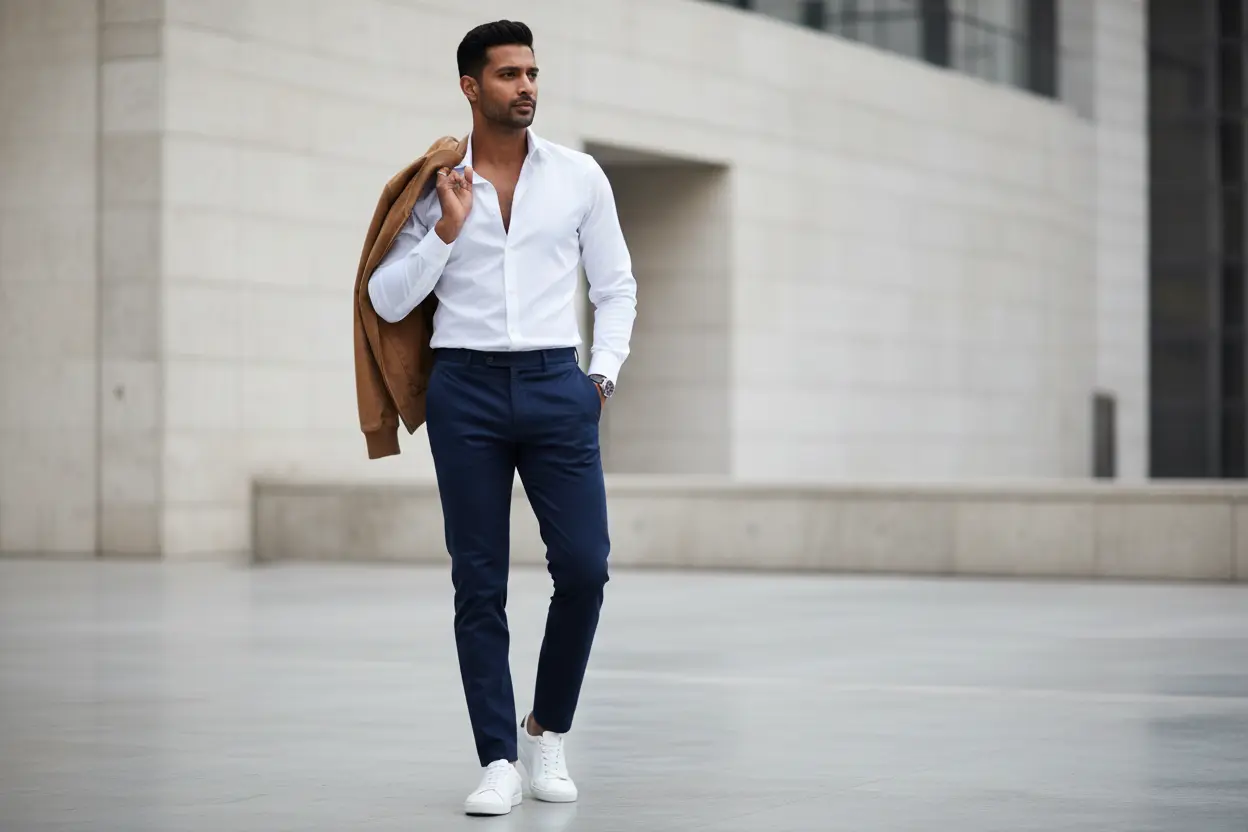
Yes, a formal shirt can work casually when you reduce the overall polish. The key is to soften the look so the shirt does not feel like office wear dropped into a weekend outfit.
Start by skipping the tie and opening the collar slightly. A relaxed tuck or leaving it untucked when the hem length allows, makes it feel less strict.
- Choose Softer Colors: Light blue and subtle stripes tend to dress down more easily than bright white.
- Pair With Casual Bottoms: Chinos or dark denim balance the formality better than suit trousers.
- Use Casual Footwear: Clean sneakers, loafers or desert boots reduce the sharpness.
- Add Texture Elsewhere: A cardigan, suede jacket or casual belt prevents the outfit from looking too corporate.
Avoid wearing a very shiny or stiff dress shirt casually. If it looks designed only for suits, it will keep reading formal even with relaxed styling.