
Blog
How to Choose the Right Shirt Fit for Your Body Type (Complete Men’s Guide)

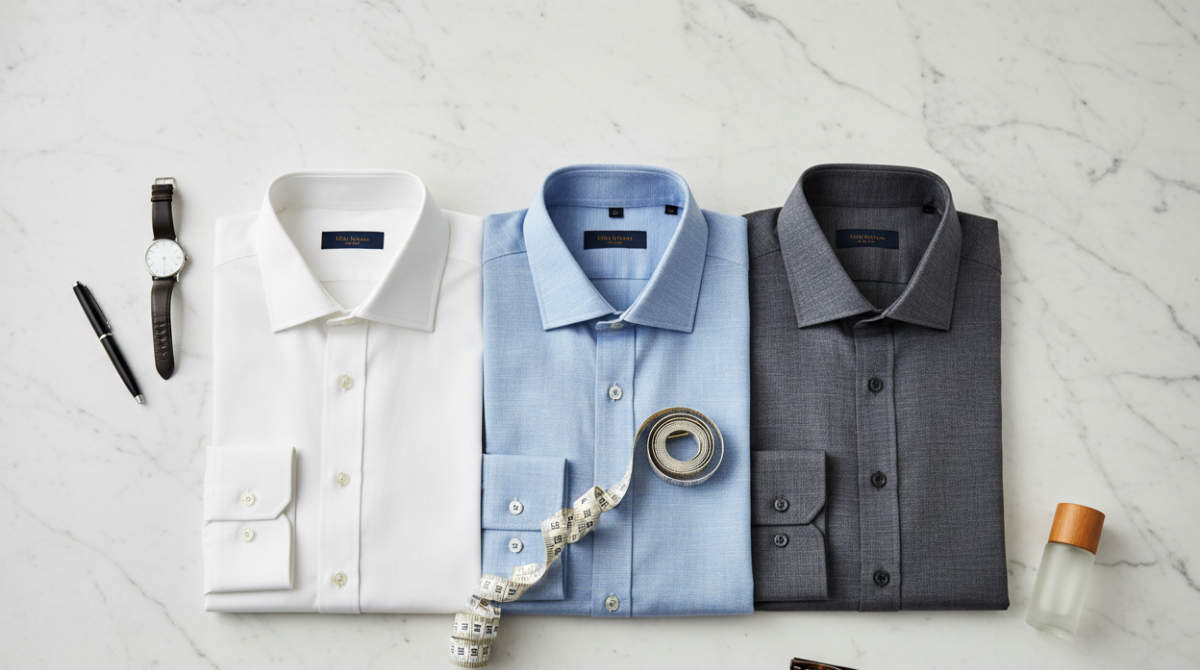
A great shirt fit changes how your shoulders look, how your waist reads and how confident your posture feels. This complete men’s guide breaks shirt fit down into simple checkpoints so you can buy and wear shirts that look intentional, not accidental.
Shirt fit is never just about size on the tag. It is about proportion, ease and how the shirt moves with your body while staying clean at rest.
Understanding Shirt Fits And What They Mean
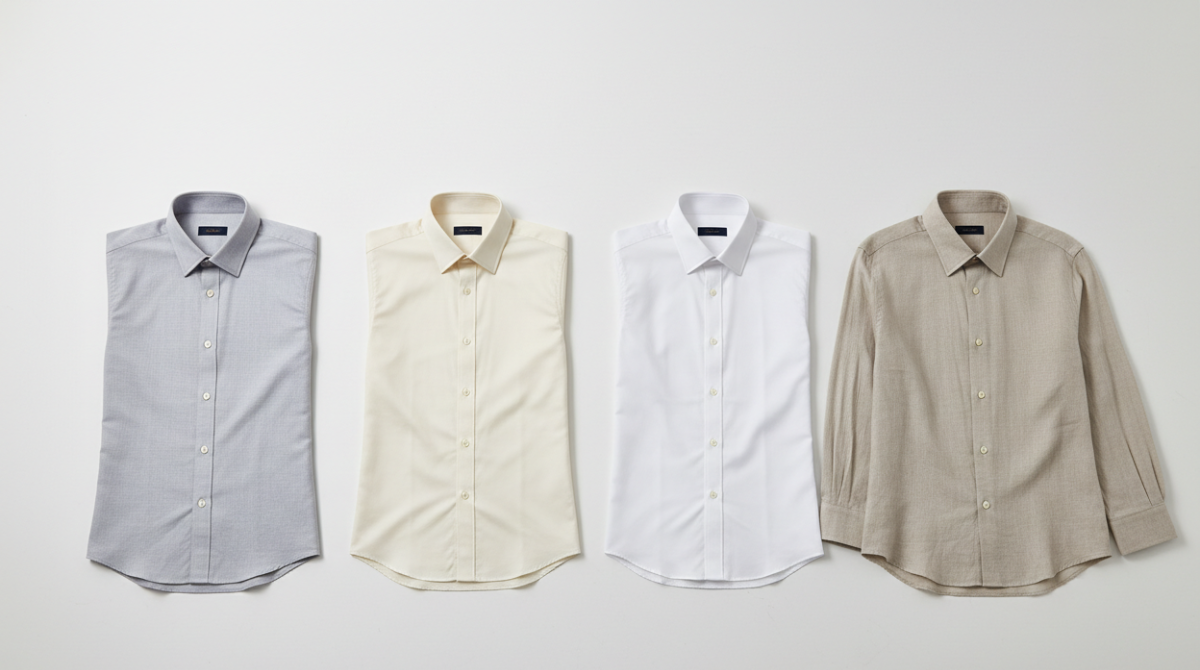
Most brands use a small set of fit categories, but they do not mean the same thing everywhere. Fit is also affected by fabric stretch, collar construction and how the pattern is graded across sizes.
Learn the intent behind each fit so you can predict how it will sit on your torso and arms. Once you know the intent, you can adjust by sizing up, tailoring, or choosing a different cut.
- Slim Fit: Trim through chest and waist with higher armholes and narrower sleeves. It is designed to follow your shape without extra fabric.
- Tailored Fit: Moderate taper with room in the chest and a cleaner waist. It balances comfort with a sharp outline.
- Regular Fit: Straighter body with more ease through midsection and sleeves. It prioritizes movement and airflow.
- Relaxed Fit: Extra room through body and shoulders with wider sleeves. It reads casual and can look boxy if the length is off.
With those categories in mind, you can choose a fit that matches your body and how you want the shirt to present.
Measure The Right Way Before You Buy

Measuring prevents most fit problems, especially when ordering online. Focus on the body points that drive visual balance, then compare them to a brand’s garment measurements.
Use a soft tape measure and keep it level. Stand relaxed and do not hold your breath.
- Neck Size. Measure around the base of the neck where a collar sits, then add a finger of ease for comfort.
- Chest. Measure the fullest part of the chest with arms relaxed, keeping the tape snug but not tight.
- Shoulder Width. Measure from shoulder bone to shoulder bone across the back, not the front.
- Sleeve Length. Measure from the shoulder point to the wrist bone with a slight bend in the arm.
- Waist And Seat. Measure around the natural waist and the widest part of the hips to avoid pulling across the lower buttons.
After measuring your body, compare the numbers to garment measurements, not just the size chart conversion.
Check The Five Fit Zones That Matter Most
Two shirts can share the same neck size and still fit completely differently. A fast fit check focuses on the zones that signal quality and proportion.
Do these checks while standing naturally, then move your arms forward and overhead to confirm mobility.
- Collar: Buttoned collar should allow comfortable breathing and easy swallowing without gapping at the front.
- Shoulders: Shoulder seam should land at the edge of the shoulder bone, not down the arm or up the neck.
- Chest: No strain lines across buttons and no ballooning fabric on the sides when arms are relaxed.
- Waist: Clean taper that follows your shape without clinging, with no pulling at the lower buttons.
- Sleeves And Cuffs: Sleeve should not twist or billow and cuff should sit at the wrist bone with controlled room.
When these zones are right, the shirt reads polished even with simple styling.
Choose A Shirt Fit For Your Body Type
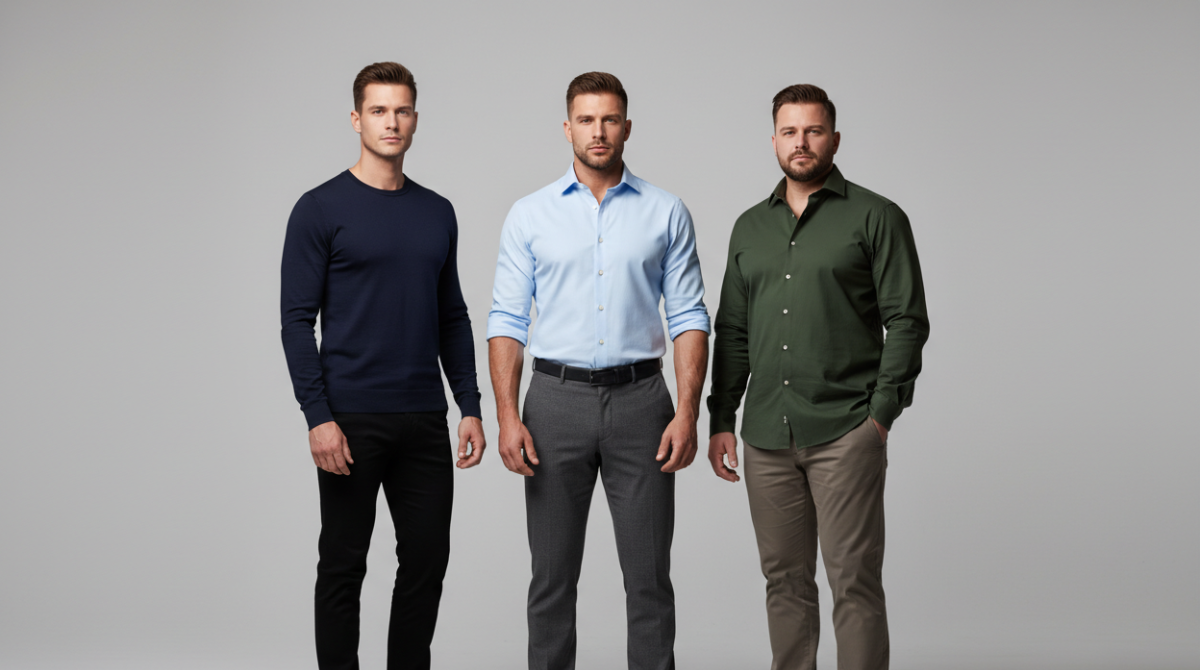
Body type is about proportions, not labels. Use your shoulders, waist and overall frame to select a cut that balances your silhouette.
The goal is a clean line from shoulders to hem, with enough ease to move without stress at the buttons.
Lean And Narrow Frame
Look for slim fit or tailored fit with a higher armhole and a gentle taper. Too much fabric at the waist makes the torso look smaller and the shirt look borrowed.
Prioritize shoulder accuracy and sleeve width, since excess sleeve volume exaggerates narrow shoulders.
- Best Features: Back darts, tapered waist, narrower sleeves, shorter hem options for casual wear.
- Avoid: Oversized yokes, very long hems and heavy fabric that collapses and looks sloppy.
Athletic Build With Broad Shoulders
Choose tailored fit with room in the chest and a clear but not aggressive taper at the waist. Slim fit often strains across the upper back and pulls at the buttons when you reach forward.
Look for stretch cotton, a split yoke and slightly wider biceps for better range of motion.
- Best Features: Stretch weave, pleat or split yoke, moderate taper, longer sleeve pitch that follows your posture.
- Avoid: Tight armholes with narrow sleeves, since they restrict movement and create wrinkles across the back.
Round Midsection Or Fuller Waist
Regular fit or a relaxed fit with structure will look cleaner than a tight shirt. The key is enough waist ease to prevent button strain while keeping shoulders fitted.
Choose fabrics with drape and avoid shiny stretch that clings. A slightly longer hem also helps the shirt stay tucked without riding up.
- Best Features: Straight body, soft but structured fabric, clean shoulder fit, longer back length.
- Avoid: Strong taper and short hems that pull up when you sit or reach.
Tall Or Long Torso
Focus on shirt length and sleeve length first, then refine the body shape. Many standard shirts become too short when you lift your arms, which breaks the line of your outfit.
Look for tall sizes, longer tails and proportionate sleeve length so cuffs do not sit above the wrist.
- Best Features: Tall sizing, longer hem, longer sleeves, balanced pocket placement if present.
- Avoid: Cropped casual fits unless the shirt is designed to be worn untucked.
Shorter Height Or Short Torso
Choose a shirt with a shorter body length and controlled sleeve length to avoid bunching. Too much fabric at the hem visually shortens the legs and creates a bulky midsection.
A tailored fit often works well, as long as the chest is not tight and the hem does not extend too far below the seat.
- Best Features: Shorter hem options, moderate taper, clean shoulder seam, narrower sleeve opening.
- Avoid: Very long shirttails, oversized cuffs and low button stance that drags the eye downward.
Dress Shirts Vs Casual Shirts Fit Differences

Dress shirts are built to look clean under a jacket and stay tucked. Casual shirts are designed to be worn untucked more often and usually have a more relaxed collar and fabric.
Do not assume your ideal dress shirt size matches your ideal casual shirt size. Fabric weight, shrinkage and intended styling all change the fit.
- Dress Shirts: Higher armholes, longer tails, stiffer collars, cleaner placket and a sharper silhouette under tailoring.
- Casual Shirts: More ease, softer collars, heavier fabrics like oxford or flannel and hems shaped for untucked wear.
Match the shirt type to how you will wear it most, then tune the fit zones to your body.
Fabric And Stretch Affect Fit More Than Most Men Expect
Fabric can make the same cut feel tighter or looser. A rigid poplin will show stress sooner, while an oxford cloth can feel roomier due to texture and drape.
Stretch can improve comfort, but it can also cling and highlight areas you would rather smooth out. Choose stretch for mobility, not to force a smaller size.
- Poplin: Crisp and light, shows wrinkles and strain lines quickly.
- Oxford: Textured and durable, forgiving in the body and great for smart casual looks.
- Twill: Smooth with a richer drape, often a strong choice for office wear and cooler weather.
- Linen: Breathable and relaxed, looks best with intentional ease rather than tightness.
When you understand fabric behavior, you can pick a fit that stays comfortable without losing shape.
Quick Fit Guide Table
Use this table as a fast reference when comparing fits in-store or online. It keeps the decision focused on what matters most for your proportions.
| Body Proportion | Best Fit Direction | Key Fit Priority |
|---|---|---|
| Lean And Narrow | Slim Fit Or Tailored Fit | Clean shoulders and controlled waist taper |
| Broad Shoulders And Chest | Tailored Fit With Room Up Top | Upper back mobility and sleeve width |
| Fuller Midsection | Regular Fit With Structure | No button strain and smooth drape at waist |
| Shorter Height | Tailored Fit With Shorter Length | Correct hem length and sleeve length |
Once you pick the direction, confirm the shirt works in motion, not just while standing still.
When To Tailor A Shirt And What To Alter

A good tailor can turn a decent shirt into a great one, but only if the base fits in the shoulders and collar. Alterations cannot fix a shoulder seam that lands in the wrong place without rebuilding the shirt.
Prioritize simple, high-impact changes that improve the silhouette without compromising comfort.
- Waist Suppression: Adds a cleaner taper and reduces billowing when tucked in.
- Sleeve Shortening: Places the cuff at the wrist bone for a sharper look with a watch or jacket.
- Cuff Tightening: Prevents the sleeve from swallowing your hand and keeps the line neat.
- Hem Adjustment: Helps casual shirts look balanced untucked and dress shirts stay secure tucked.
Alterations work best when you can describe the issue in one sentence and point to a specific area on the shirt.
Common Shirt Fit Mistakes To Avoid
Most fit mistakes come from prioritizing one measurement while ignoring the rest. A shirt that feels comfortable can still look off if the proportions are wrong.
Fix the biggest visual issues first, then refine the details.
- Shoulder Seam Droop: Makes the torso look smaller and creates excess fabric in the upper sleeve.
- Button Pull: Causes gaping and strain lines across the chest or stomach.
- Too-Long Sleeves: Creates bunching at the cuff and makes arms look shorter.
- Overly Tight Armholes: Restricts movement and lifts the whole shirt when you raise your arms.
- Wrong Shirt Length: Too long looks sloppy untucked, too short pops out when tucked.
Correcting these issues quickly improves how every outfit reads, even with simple jeans or chinos.
Conclusion
To choose the right shirt fit for your body type, start with accurate measurements and then judge the shirt by shoulders, collar, chest, waist and sleeves. Pick the fit category that matches your proportions, then use fabric choice and small alterations to fine-tune comfort and shape.
When the shoulder seam is right and the shirt moves with you without pulling, the rest becomes easier. Treat fit as a checklist and you will build a wardrobe of shirts that look sharp in any setting.