
Blog
How to Create a Signature Look with Custom Men’s Shirts? a Guide to Personal Style

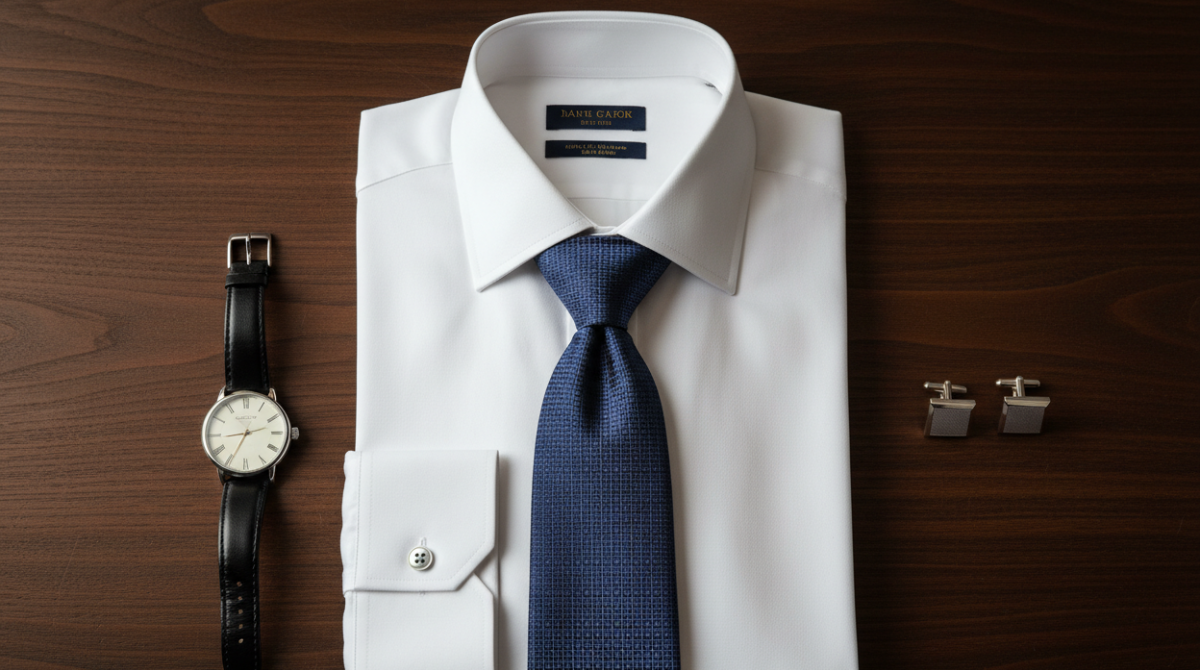
A signature look is a set of choices that repeats in a refined way. Custom men’s shirts make that easier because the fit, proportions and details can match your body and your daily life. Once the shirt is consistent, the rest of your outfit looks more intentional.
This guide focuses on practical decisions that build a personal uniform without feeling rigid. Each section helps you narrow options so you can order fewer shirts and wear them more often.
What a Signature Look Really Means?
A signature look is not a costume or a trend. It is a clear pattern in fit, color and finishing details that people associate with you. The goal is repeatable style that works across work, weekends and evenings.
Custom men’s shirts support this because small choices stay consistent over time. Collar shape, cuff style, placket and length all influence whether you look sharp, relaxed, or creative.
Start With Fit and Proportions

Fit is the foundation of a signature look because it affects every layer you wear. A well-fitted shirt frames your shoulders, follows your chest and sits cleanly at the waist without pulling. It should also allow comfortable movement at the upper back and arms.
Proportions matter as much as measurements. Sleeve length, collar height and shirt length can make you look taller, broader, or more balanced. When these elements repeat, your style becomes recognizable.
Use these fit checkpoints to keep each order consistent.
- Collar contact: It should sit close without pinching and still allow natural swallowing and breathing.
- Shoulder seam placement: The seam should land at the shoulder edge, not down the arm or up the neck.
- Chest and waist ease: The front should lie flat and buttons should not gape when you sit or reach.
- Sleeve balance: The sleeve should hang straight with enough room to bend your elbow comfortably.
- Hem purpose: Choose a longer hem for tucking and a slightly shorter, shaped hem if you often wear it untucked.
Once you lock these in, you can experiment with colors and fabrics without losing the core of your look.
Choose Fabrics That Match Your Life
Fabric sets the mood of your shirt before anyone notices the details. Crisp weaves feel structured and formal, while softer textures feel relaxed and approachable. Your lifestyle should decide the mix, not just aesthetics.
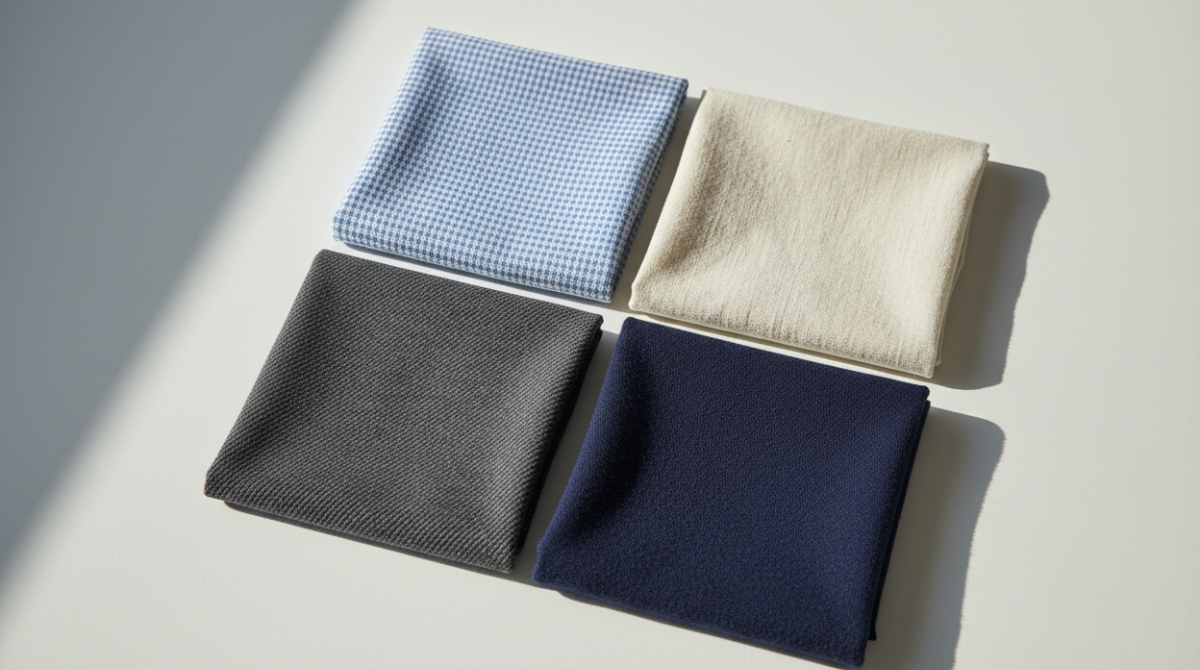
Think about climate, commute and how often you move during the day. Breathable cloth reduces wrinkles caused by heat and motion, while denser cloth holds shape under jackets and sweaters.
Keep a small fabric range that covers your common situations.
- Poplin: Smooth and clean for office wear, presentations and sharp tailoring.
- Oxford: Slightly textured and durable for smart casual outfits and layering.
- Twill: Drapes well and resists creasing, useful for travel and long days.
- Linen or linen blends: Light and breathable for warm weather and relaxed styling.
- Brushed cotton: Soft and cozy for cooler months and weekend wear.
With a controlled fabric palette, your shirts feel different in the hand but still look like they belong to the same wardrobe.
Build a Personal Color Palette
A signature look becomes obvious when your colors repeat with intention. Start with a base of neutrals that flatter your skin tone and work with your trousers and shoes. Then add one or two accent colors that show personality without overpowering the outfit.
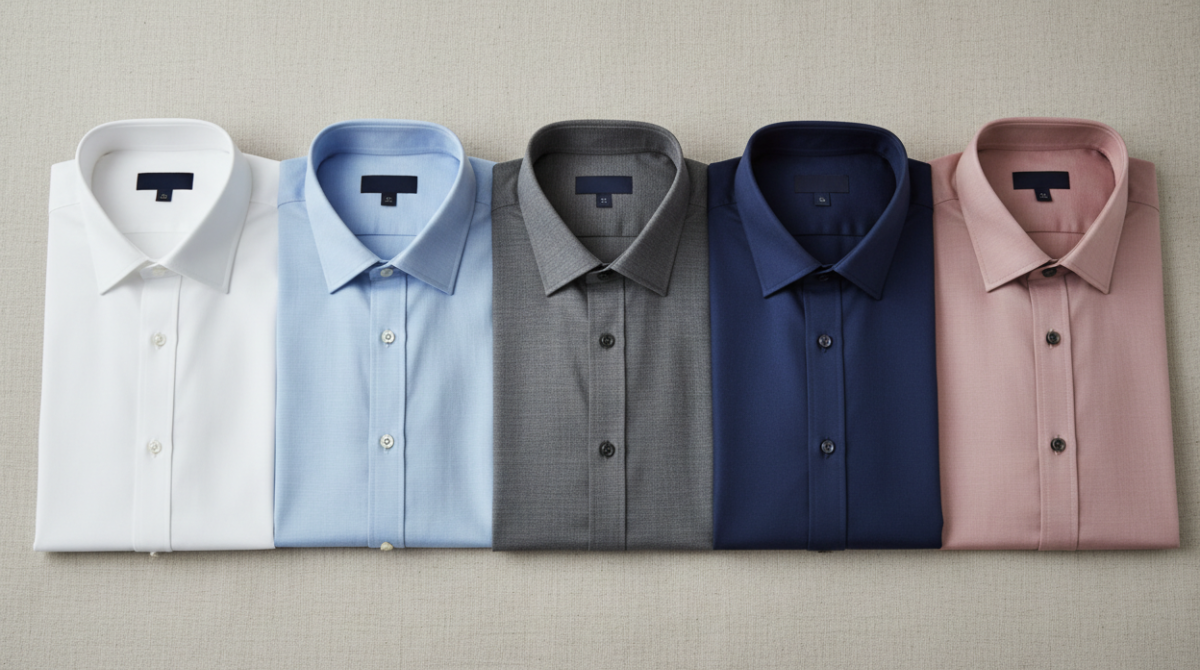
Neutrals keep custom men’s shirts versatile because they pair with more jackets and knitwear. Accents add identity through subtle stripes, checks, or a single solid tone that you wear often.
These guidelines help you avoid a closet full of shirts that feel disconnected.
- Anchor with reliable shades: White, light blue, mid blue, off-white and soft grey are easy to repeat.
- Choose one deep tone: Navy, charcoal, or olive creates a consistent, grounded look.
- Limit high contrast patterns: Keep stripes and checks low to medium contrast for better mix-and-match.
- Repeat one signature accent: A muted pink, sand, or slate can become your recognizable twist.
After the palette is set, you can order confidently because most combinations will work without extra planning.
Pick Collar and Cuff Details that Signal Your Style
Collars and cuffs are where personal style shows up in a subtle way. A spread collar feels modern and works well with tailoring, while a button-down collar reads more relaxed. The wrong collar can make your proportions feel off, even if the rest fits well.
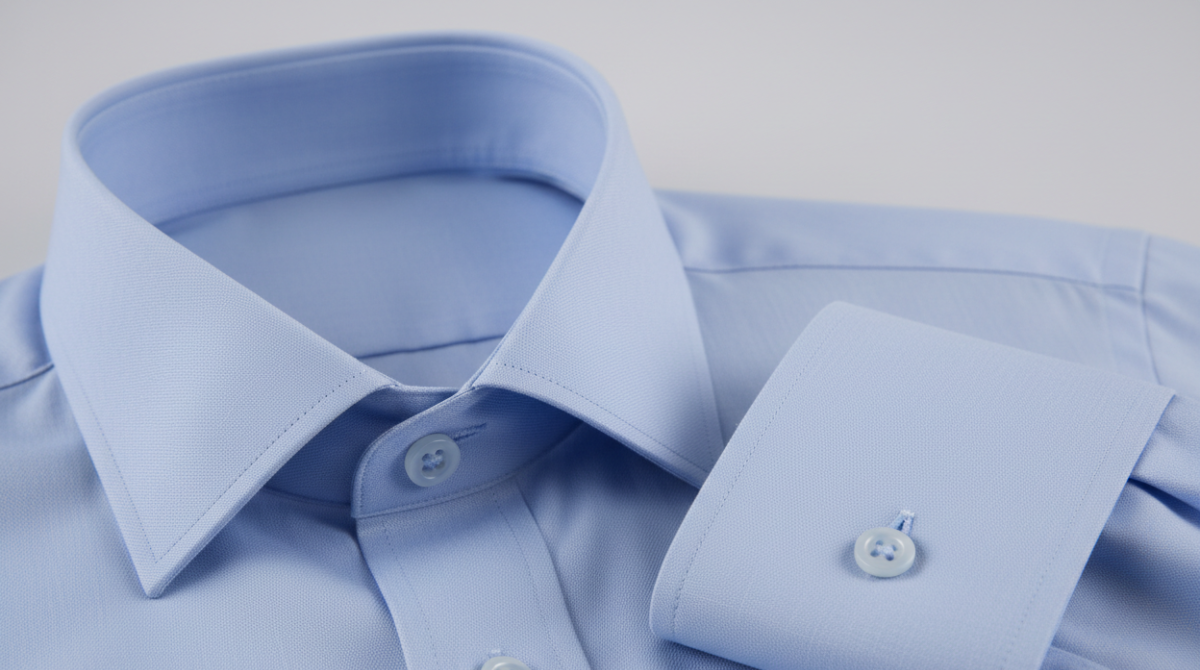
Cuffs also change the message. Barrel cuffs are versatile for most settings, while French cuffs lean formal and require more attention to accessories. Consistency here is a shortcut to a signature look.
Use this table to align details with the image you want to project.
| Style Goal | Collar and Cuff Direction | Best Pairings |
|---|---|---|
| Sharp And Professional | Medium spread collar with clean placket and barrel cuffs | Wool trousers, blazer, leather belt |
| Relaxed And Polished | Button-down collar with soft interlining and casual barrel cuffs | Chinos, denim, lightweight jacket |
| Modern And Minimal | Cutaway or wide spread with hidden placket and simple cuffs | Tailored trousers, knitwear, sleek sneakers |
| Formal And Ceremony Ready | Spread collar with French cuffs and crisp fabric | Suit, tie, cufflinks |
Once you find a collar and cuff combination that suits you, keep it as your default and adjust only when the occasion demands it.
Use Pattern and Texture With Restraint
Patterns and textures add depth, but too many competing designs dilute a signature look. The best approach is to select one pattern scale that suits your build and stick to it. Smaller patterns feel refined, while larger patterns feel bold and casual.
Texture is often more wearable than busy patterns. Subtle oxford texture, twill lines, or fine herringbone can look interesting up close while staying calm from a distance.
Keep these pattern rules to maintain cohesion.
- Prioritize solids for your core: They become the backbone of repeatable outfits.
- Choose one stripe style: Pencil stripes for a quiet look or broader stripes for a more expressive one.
- Limit checks to one family: Micro-checks are versatile, while gingham feels more casual.
- Use texture to replace loud color: It adds interest without breaking your palette.
This keeps your wardrobe unified while still giving you enough variety to avoid feeling uniformed.
Dial in the Small Customization Choices
Customization is where custom men’s shirts can either look elevated or overly busy. Small details should support your style, not compete with it. When in doubt, choose cleaner options that you can repeat across multiple shirts.
Focus on details that affect how the shirt wears rather than details that only decorate. Placket style, buttons and pocket decisions can all shift the formality level.
These choices tend to age well and photograph cleanly.
- Placket selection: A standard placket reads classic, while a hidden placket feels sleek and minimal.
- Button color: Match to the fabric for subtlety, or use a slightly darker button for quiet contrast.
- Pocket decision: No pocket looks dressier, while a single pocket leans casual and practical.
- Back design: A clean back looks modern, while a box pleat adds comfort and a classic feel.
- Monogram restraint: If used, keep it small and placed discreetly so it does not dominate.
When these details repeat, your shirts look like a coherent set rather than unrelated one-offs.
Create a Small Rotation That Always Works
A signature look becomes effortless when you have a tight rotation of shirts that all match your fit and palette rules. This does not require a large closet. It requires fewer pieces that you trust, with clear roles in your week.
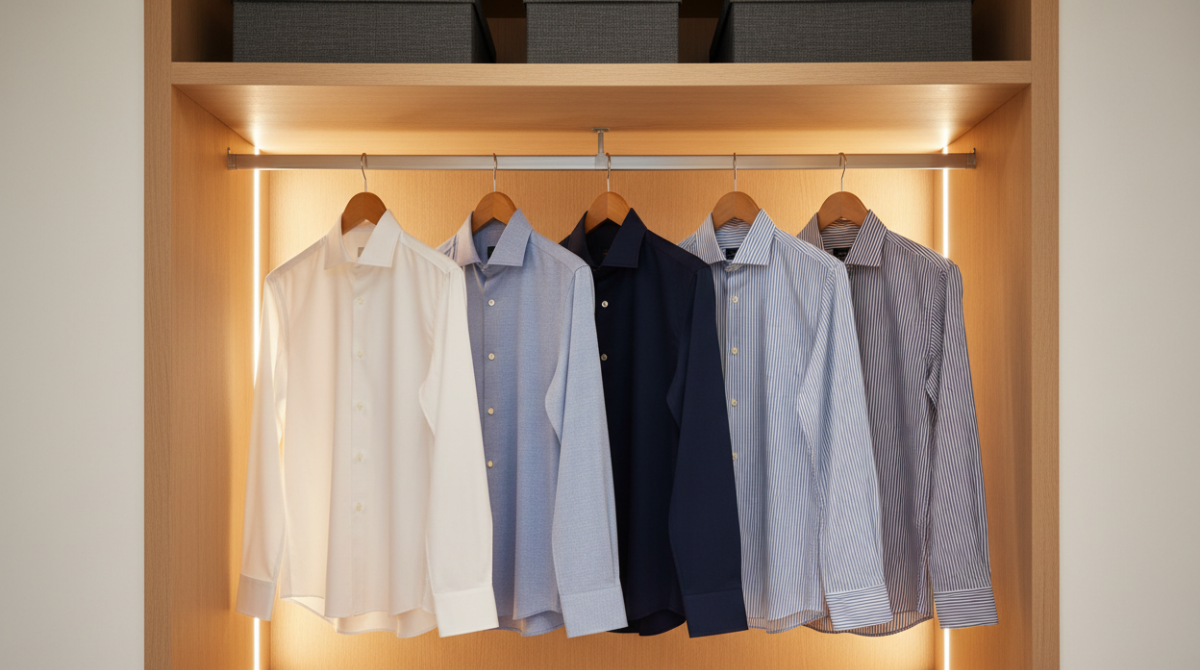
Plan a rotation that covers formal, smart casual and relaxed moments. Then keep replacement orders consistent so the look stays stable as older shirts retire.
- Define your default setting. Decide where you dress most often and build the majority of shirts for that level of formality.
- Select three core solids. Choose shades that work with your most-worn trousers and outerwear.
- Add two texture or pattern options. Keep them within your palette so they layer smoothly.
- Choose one statement color. Pick a muted accent you can wear often without feeling loud.
- Standardize your collar and cuff. Make one combination the default to reinforce recognition and simplify ordering.
This structure gives you variety while keeping the visual identity strong.
Care and Maintenance that Preserve Your Look
Even the best custom men’s shirts lose their edge if they are not cared for properly. Fabric shine, collar collapse and twisted seams all make a shirt look older than it is. A consistent care routine protects your investment and keeps your signature look crisp.
Wash gently, avoid overloading the machine and remove shirts promptly to reduce deep wrinkles. If you use a dryer, keep heat low and finish with a quick hang to cool, which helps the fabric reset.
- Collar and cuff attention: Pre-treat lightly and avoid aggressive scrubbing that breaks down fibers.
- Button protection: Close buttons before washing to reduce stress on stitching.
- Ironing priority: Press collar, cuffs and placket first since those areas define sharpness.
- Storage habits: Use sturdy hangers and leave space so shoulders keep their shape.
Good maintenance keeps your fit and finish consistent, which is the core of a signature style.
Conclusion
A signature look is built through repetition with purpose. Custom men’s shirts help you repeat the right elements, including fit, proportions, fabric choice and a controlled color palette.
When collars, cuffs and small details stay consistent, you look put together without extra effort. Choose a small rotation, care for it well and your personal style becomes clear every time you get dressed.