
Blog
How to Match a Tie, Shirt and Pocket Square Perfectly


Matching a tie, shirt and pocket square is less about copying colors and more about building a clean, balanced outfit. When these three pieces work together, your suit looks intentional, your face looks brighter and your overall style reads as confident.
The goal is harmony through contrast and repetition. A small shared color can link the look, while different values, textures and patterns keep it sharp instead of costume-like.
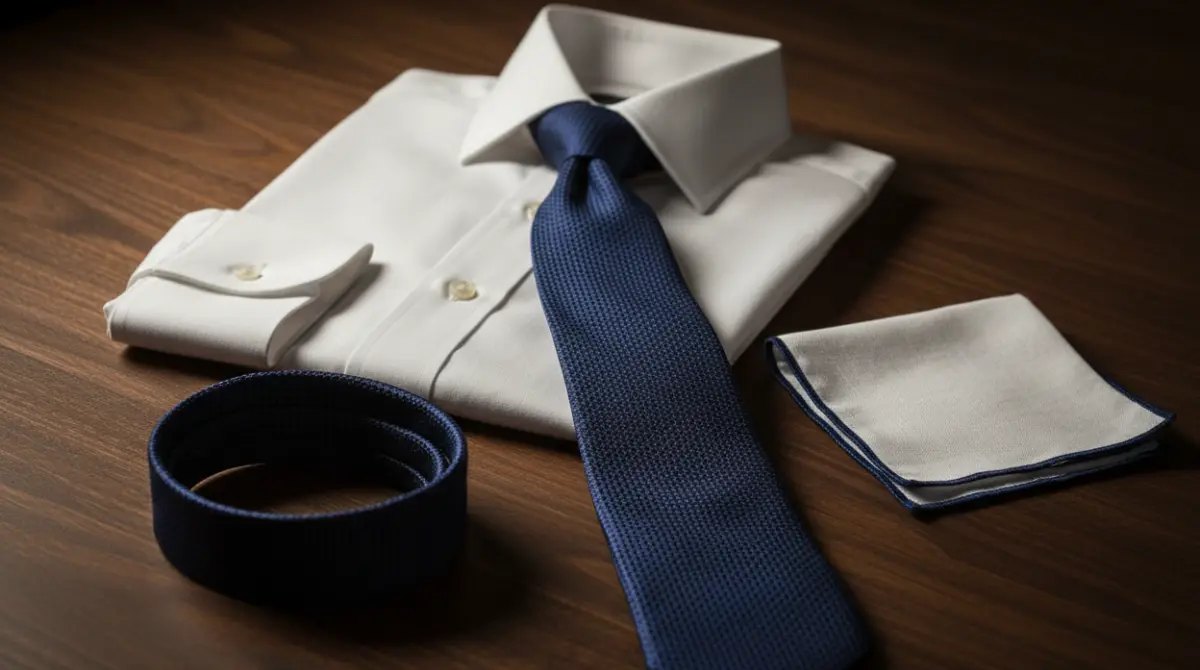
Why Matching A Tie, Shirt And Pocket Square Matters
These accessories sit close to your face, so they control what people notice first. Good coordination frames your complexion, sharpens your silhouette and makes even an average suit look more expensive.
Poor matching creates visual noise and makes the outfit feel accidental. A pocket square that copies the tie exactly can also look like a set, which usually reads as dated.
Keep these principles in mind as you build combinations.
- Contrast beats copying. Use light against dark or matte against sheen to create depth.
- Repeat a color quietly. Pull one minor tone from the tie into the pocket square.
- Control the pattern count. Mix scales so each piece has room to breathe.
With the foundation clear, the shirt becomes the easiest starting point.
Start With The Shirt First
The shirt is the largest surface in the trio, so it sets the brightness and the formality. A solid white or light blue shirt is the most forgiving base, especially when you are learning.
Patterned shirts can still work well, but they narrow your options. If the shirt has stripes or checks, it should stay subtle so the tie can lead.
- White shirt. Works with nearly any tie color and any pocket square style.
- Light blue shirt. Pairs especially well with navy, burgundy and brown tones.
- Striped shirt. Choose thin stripes and leave bold patterns for the tie.
- Checked shirt. Keep the check small and the colors restrained.

Once the shirt is set, choosing the right tie becomes much simpler.
Choose The Right Tie For The Shirt
The tie should create contrast from the shirt while staying inside a cohesive color family with your suit. A dark tie on a light shirt is the safest structure and instantly looks polished.
Texture matters as much as color. Grenadine, knit and matte silk feel relaxed, while satin silk and sharp twills lean more formal.
- Solid shirt with solid tie. Use value contrast, such as light blue shirt with navy tie.
- Solid shirt with patterned tie. Let the tie pattern provide interest, then keep the pocket square quieter.
- Patterned shirt with solid tie. Use the tie to calm the look and prevent pattern overload.
After the tie is chosen, the pocket square should support it rather than mirror it.
Match The Pocket Square The Right Way
A pocket square is an accent, not a second tie. The most reliable approach is to echo one color from the tie, but change the pattern, fabric, or background so it looks curated.
White linen is a universal option that works with almost any tie and shirt. For more personality, choose a pocket square that includes a secondary tone from the tie, such as a small burgundy detail in a navy tie.
- Avoid perfect matches. Identical tie and pocket square fabric looks like a pre-made set.
- Change the fabric. Pair a silk tie with a linen or cotton pocket square for texture contrast.
- Use a quieter pattern. If the tie is bold, pick a simple pocket square with a clean border.
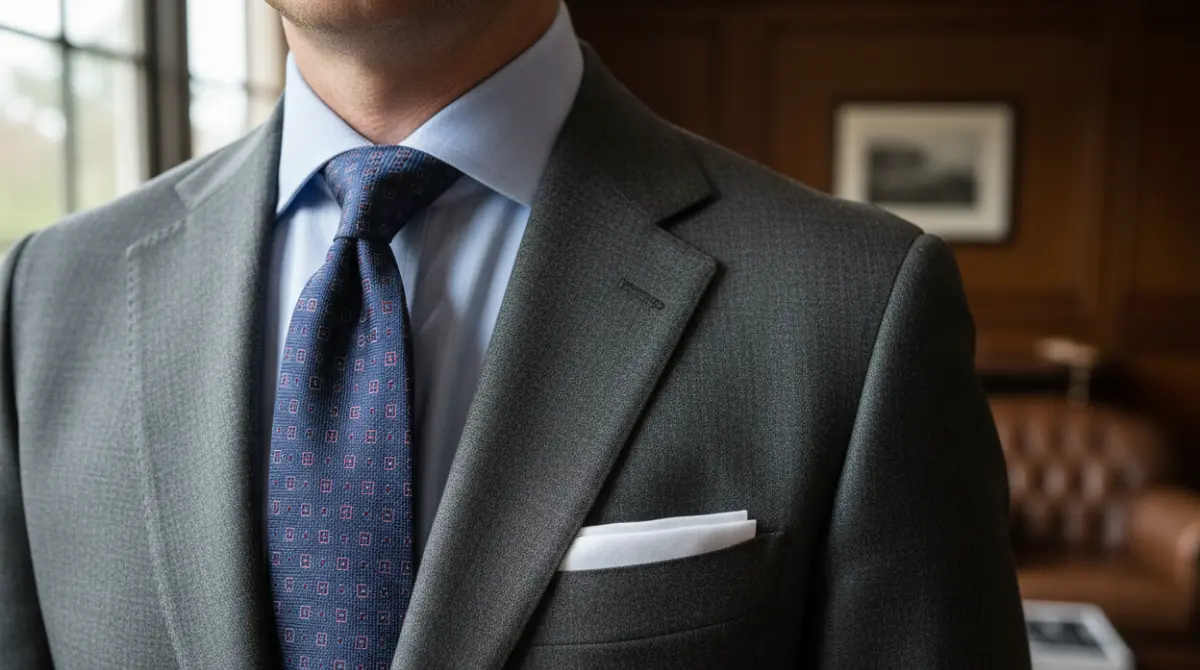
When you want a dependable starting point, classic color formulas do most of the work.
Easy Color Combinations That Always Work
Some palettes look correct because they rely on timeless menswear neutrals. Navy, white, light blue, grey, and burgundy are especially easy to combine without clashing.
Use these combinations as anchors, then adjust the pocket square to add a small highlight.
| Shirt | Tie | Pocket Square |
|---|---|---|
| White | Navy grenadine | White linen with navy edge |
| Light blue | Burgundy silk | Off-white with burgundy detail |
| White | Forest green knit | Cream cotton with green motif |
| Blue stripe | Solid navy | White linen |
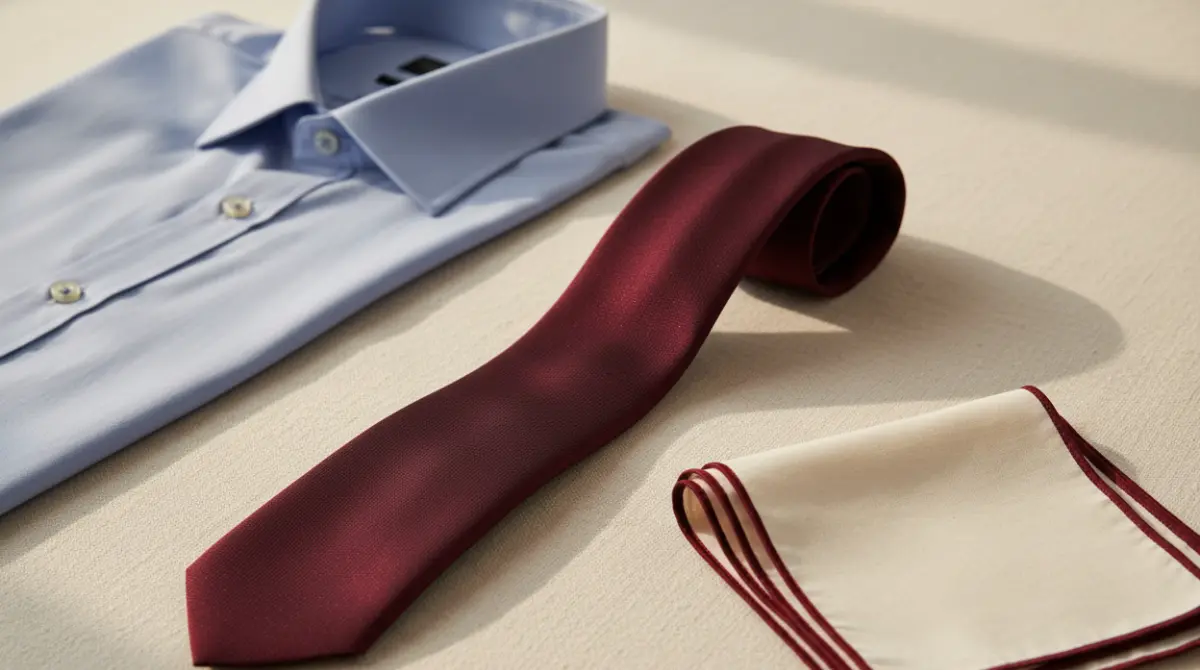
Color is only half the story. Pattern mixing is where most outfits go wrong, but simple rules keep it easy.
How To Mix Patterns Without Clashing
Pattern mixing works when each pattern has a different scale and a shared color. The shirt pattern should be the smallest, the tie medium and the pocket square either solid or large and airy.
Limit the total look to two noticeable patterns when you are unsure. If you add a third pattern, keep it subtle and rely on neutral backgrounds.
- Vary the scale. Thin shirt stripes pair well with a larger tie stripe or a medium paisley.
- Share one color. A navy tie can connect to a pocket square with a navy border.
- Mind the background. White or cream grounds reduce visual clutter.
- Use texture as a pattern substitute. A knit tie adds interest without adding shapes.
Once you can control color and pattern, choosing combinations for specific events becomes straightforward.
Best Tie, Shirt And Pocket Square Combinations For Different Occasions
Occasion mainly changes the level of contrast, shine and pattern boldness. Business settings tend to reward conservative color and low-contrast pocket squares, while social events allow more texture and playful prints.
Use the environment as your guide, then keep the shirt clean and let the tie carry most of the character.
- Formal Evening. White shirt with a dark, smooth tie and a crisp white pocket square keeps everything sharp.
- Business Meeting. Light blue or white shirt with a navy or burgundy tie and a restrained pocket square reads professional.
- Smart Casual Dinner. Oxford cloth shirt with a knit tie and a cotton pocket square adds relaxed texture.
- Wedding Guest. Solid shirt with a tasteful pattern tie and a pocket square that picks one accent color looks festive without stealing focus.
Good combinations are easy to build when you also know what to avoid.
Common Mistakes To Avoid
Most errors happen when the tie and pocket square fight for attention or when contrast disappears. Fixing these issues usually requires only one small change, such as swapping the pocket square or changing tie texture.
Watch for these common problems when you check your outfit in natural light.
- Perfectly matching sets. Identical tie and pocket square looks pre-packaged rather than personal.
- No value contrast. A mid-blue shirt with a mid-blue tie can blend into one flat block.
- Too many loud patterns. If shirt, tie and pocket square are all bold, the outfit feels busy.
- Ignoring fabric weight. A heavy wool tie with a sleek, shiny pocket square can feel mismatched.
- Oversized pocket square puff. A huge, high puff can overwhelm the tie and lapel.
With mistakes removed, small finishing choices make the whole look feel effortless.
Final Tips To Style Them With Confidence
Start with a simple system you can repeat. Choose a light shirt, add a tie that provides clear contrast, then pick a pocket square that echoes one minor color without duplicating the tie.
Keep your folds clean and appropriate. A flat fold looks sharp and formal, while a relaxed puff works better in softer settings.
- Use a neutral pocket square as a default. White linen works year-round and suits most outfits.
- Let one piece lead. If the tie is bold, keep the pocket square quiet and vice versa.
- Check harmony under daylight. Indoor lighting can hide clashes, especially with reds and greens.
When you prioritize contrast, control pattern scale and avoid perfect matches, the tie, shirt and pocket square will look intentionally paired. That consistency is what makes personal style feel confident and reliable.