
Blog
Oxford vs Poplin vs Twill Shirts: Best Fabric for Pakistan’s Weather (Complete Guide)

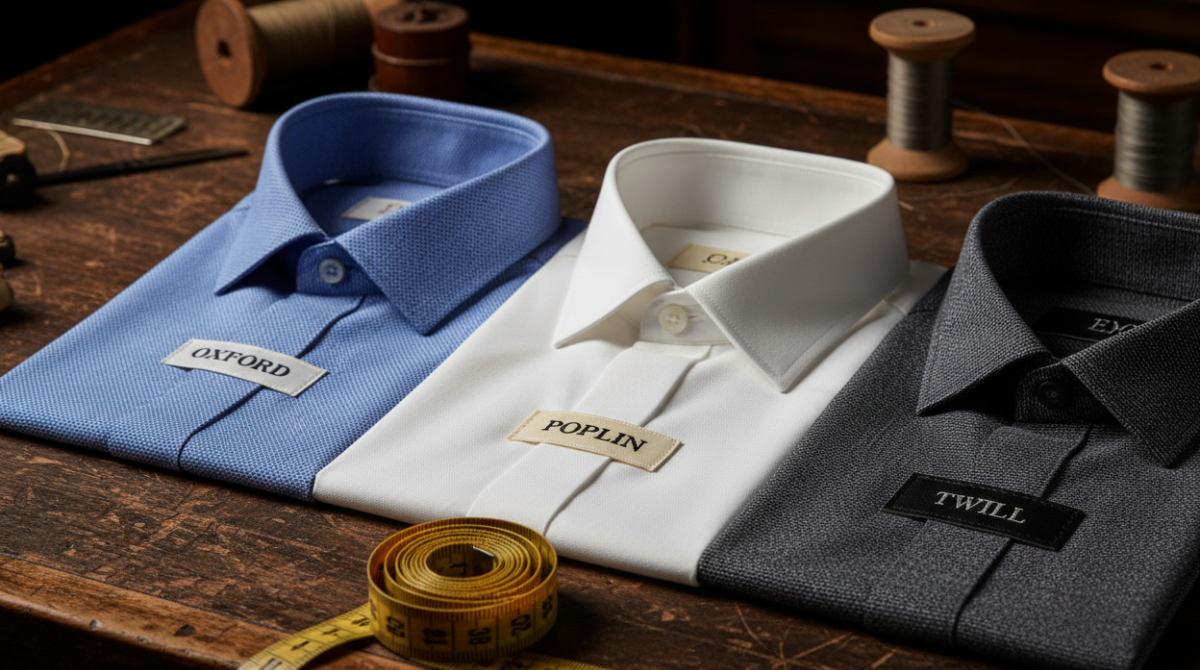
Choosing a shirt fabric in Pakistan is not only about looks. Heat, humidity, dust and strong AC indoors can make a great cut feel uncomfortable if the weave is wrong.
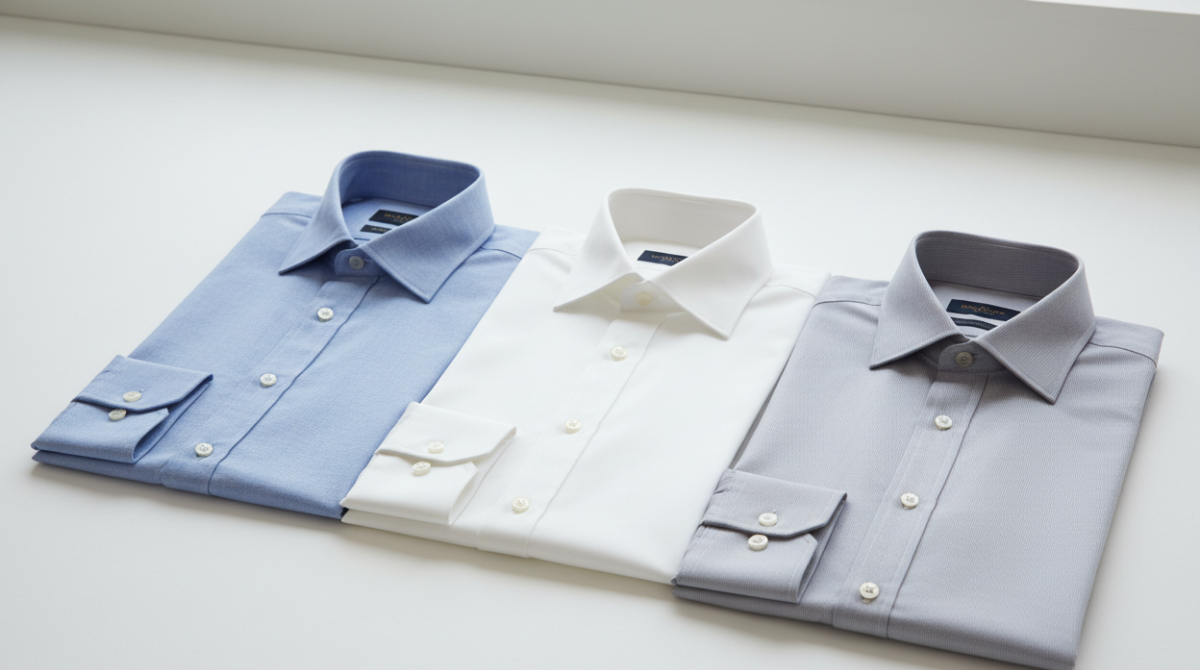
Oxford, poplin and twill are three of the most common shirting fabrics. Each behaves differently in breathability, drape, wrinkle resistance and how it feels on the skin.
What Are Oxford, Poplin And Twill Shirts?
These fabrics are defined by weave structure rather than a single fiber. Most are made with cotton, cotton blends, or sometimes synthetic blends, but the weave drives the texture and performance.
Oxford is a basket weave with visible texture. Poplin is a plain weave that feels smooth and crisp. Twill uses diagonal ribs that add softness and strength.
Oxford Fabric Features Pros And Cons
Oxford cloth is slightly thicker and more textured than poplin. Many people recognize it from classic button-down shirts with a sturdy, casual-smart vibe.
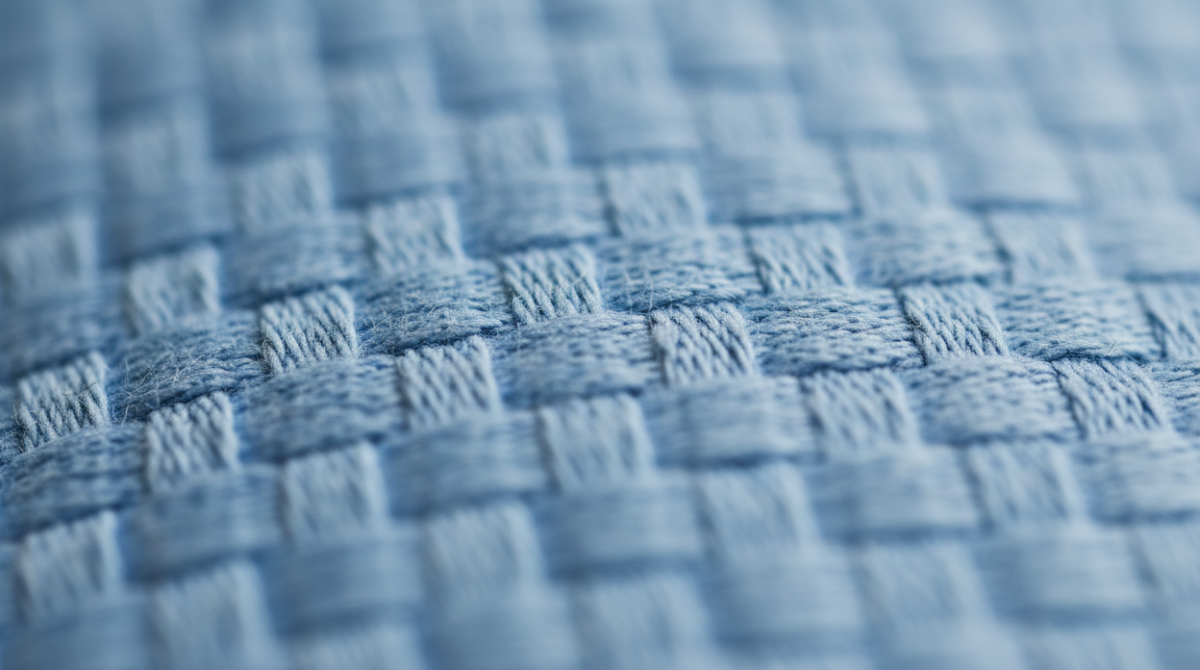
Because of its structure, Oxford holds shape well and can feel less clingy in humidity. It can run warmer than poplin, especially in dense weaves.
Oxford Fabric Strengths
- Durable hand feel that handles frequent washing and daily wear.
- Breathable structure that allows airflow, especially in lighter Oxford cloth.
- Easy casual styling that works with chinos, denim and smart-casual office dress.
These benefits make Oxford a dependable pick when you want an all-day shirt that looks structured.
Oxford Fabric Limitations
- Can feel warm in peak summer if the fabric weight is high.
- Texture shows creases so it may not look as crisp as poplin for formal settings.
- Slower drying compared with lighter, tighter weaves.
If you prefer a sharp, formal finish, Oxford can look slightly more relaxed even when ironed well.
Poplin Fabric Features Pros And Cons
Poplin is a tight plain weave with a smooth surface and a crisp touch. It is widely used for formal shirts because it looks clean and polished under light.

In Pakistan’s warmer months, poplin can feel lighter and cooler than Oxford or heavy twill. The tradeoff is that it can show wrinkles more quickly, especially in pure cotton.
Poplin Fabric Strengths
- Lightweight comfort that suits hot days and crowded commutes.
- Clean, formal look that pairs well with suits and dress trousers.
- Fast drying feel that stays less heavy when humidity rises.
Poplin works best when you want a sharp silhouette and a breathable shirt that does not look bulky.
Poplin Fabric Limitations
- Wrinkles easily if the cotton is soft and the shirt is worn long hours.
- Can feel clingy in high humidity if the fit is slim and ventilation is low.
- Less forgiving because the smooth surface shows sweat marks and creases more clearly.
If you prioritize crispness, look for higher-quality cotton yarns or a small blend designed to reduce wrinkling.
Twill Fabric Features Pros And Cons
Twill is known for its diagonal weave lines and softer drape. It is often used for dress shirts that need a richer look and better wrinkle resistance.

Many twills feel smoother than Oxford while being less papery than poplin. The weave adds strength, which helps the shirt keep its shape through repeated wear.
Twill Fabric Strengths
- Better wrinkle resistance so it stays presentable in long office days.
- Soft, flexible drape that feels comfortable at the neck and cuffs.
- Good opacity that looks solid under bright light, especially in white and light shades.
These traits make twill popular for formal and semi-formal wardrobes where comfort and polish both matter.
Twill Fabric Limitations
- Usually warmer than poplin because the weave can be denser.
- Holds heat in peak summer if the weight is medium to heavy.
- Can shine slightly in some finishes, which not everyone prefers for daytime wear.
For hot climates, choose lighter twill or keep it for air-conditioned environments and cooler months.
Oxford Vs Poplin Vs Twill Key Differences Explained
The right choice becomes easier when you compare feel, airflow and formality in one view. Pakistan’s climate shifts from very hot to mild and cold depending on city and season, so versatility matters.
The table below summarizes the practical differences most people notice in daily wear.
| Feature | Oxford | Poplin | Twill |
|---|---|---|---|
| Texture And Look | Textured, casual-smart | Smooth, crisp, formal | Diagonal rib, refined |
| Breathability In Heat | Medium to good | Good to excellent | Medium |
| Wrinkle Behavior | Moderate, hides minor creases | Wrinkles quickly in cotton | Resists wrinkles well |
| Best Use Case | Smart-casual, daily wear | Formal office, events | Office, travel, mild winter |
| Comfort Feel | Structured, slightly firm | Light and crisp | Soft and drapey |
Use this comparison as a starting point, then refine your choice based on weather, dress code and how much ironing you want to do.
Which Shirt Fabric Is Best For Hot Weather In Pakistan?
For peak heat, poplin is often the most comfortable because it is light, smooth and ventilates well. It suits coastal humidity and inland dry heat as long as the fit is not too tight.
Lightweight Oxford can work when you want a slightly more rugged feel. Twill usually ranks last for extreme heat unless it is specifically a light twill designed for warm weather.
- Pick poplin if you walk outdoors often and want maximum airflow with a crisp look.
- Pick lightweight Oxford if you want a shirt that feels less delicate and stays neat through movement.
- Pick light twill if you spend most of the day in AC and want fewer wrinkles.
Heat comfort also depends on color and fit. Lighter shades reflect heat better and a regular fit improves ventilation in humidity.
Best Shirt Fabric For Winter And Mild Weather In Pakistan
In winter and shoulder seasons, twill becomes a strong choice because it feels warmer and drapes well under a sweater or blazer. Oxford also performs well due to its sturdy body and comfortable texture.
Poplin can still work in mild weather, especially indoors, but it may feel too light during colder mornings and evenings.
- Twill suits layering, travel days and long office hours where you want comfort and a polished finish.
- Oxford suits casual offices and weekends, especially when you want a thicker, more substantial shirt.
- Poplin suits mild days when you want sharp formality without extra warmth.
If your city has large day-night temperature swings, twill or Oxford can feel more balanced across the full day.
Which Fabric Is Best For Office And Formal Wear?
For strict formal wear, poplin and twill usually look the most appropriate. Poplin gives the sharpest, cleanest surface for ties and suit jackets.
Twill is ideal when you want a dress shirt that stays smoother and looks rich under indoor lighting. Oxford is best in business-casual settings, especially in button-down collars.
- Most formal appearance is typically poplin in solid colors and fine stripes.
- Best low-wrinkle option is typically twill for long days and commuting.
- Best smart-casual office option is typically Oxford for a relaxed but tidy look.
Collar stiffness and cuff structure also affect formality. A well-constructed collar can make Oxford look more office-ready and make poplin look premium.
How To Choose The Right Shirt Fabric For Your Needs?
Start with your daily environment, then choose based on comfort and maintenance. The same fabric can feel very different depending on weight, yarn quality and finishing.
Use these checkpoints to decide quickly without overthinking.
- Climate exposure matters most. More outdoor time usually favors poplin or light Oxford.
- Ironing tolerance matters daily. If you dislike wrinkles, twill is often easier to live with.
- Dress code sets the ceiling. Poplin and twill look more formal than Oxford in most workplaces.
- Sweat management depends on fit and color. Regular fits and mid-tone colors can be more forgiving.
- Fabric weight changes everything. A light twill can feel close to poplin, while a heavy poplin can feel warmer than expected.
After you narrow it down, focus on quality signals like tight stitching, smooth seams and a comfortable collar that stays in place.
Final Verdict Best Shirt Fabric For Pakistani Climate
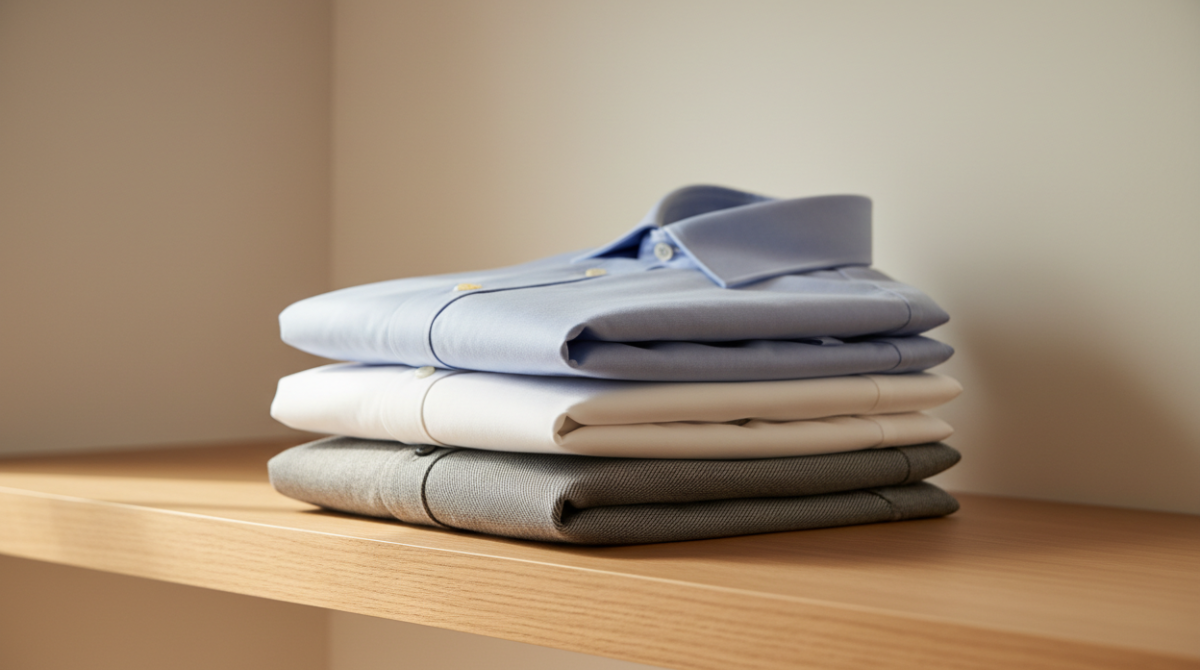
No single fabric wins for every day in Pakistan. Poplin is the top pick for hot weather when you want maximum lightness and a crisp formal look.
Twill is the most versatile for office wear and mild winter comfort, especially when you want fewer wrinkles. Oxford is the dependable all-rounder for smart-casual dressing and durability when you want a more substantial feel.
If you build a small rotation, a poplin for peak summer, a twill for long workdays and an Oxford for weekends covers most needs with minimal compromise.