
Blog
Plain vs Printed Shirts for Men: Which Style Looks Better on You?

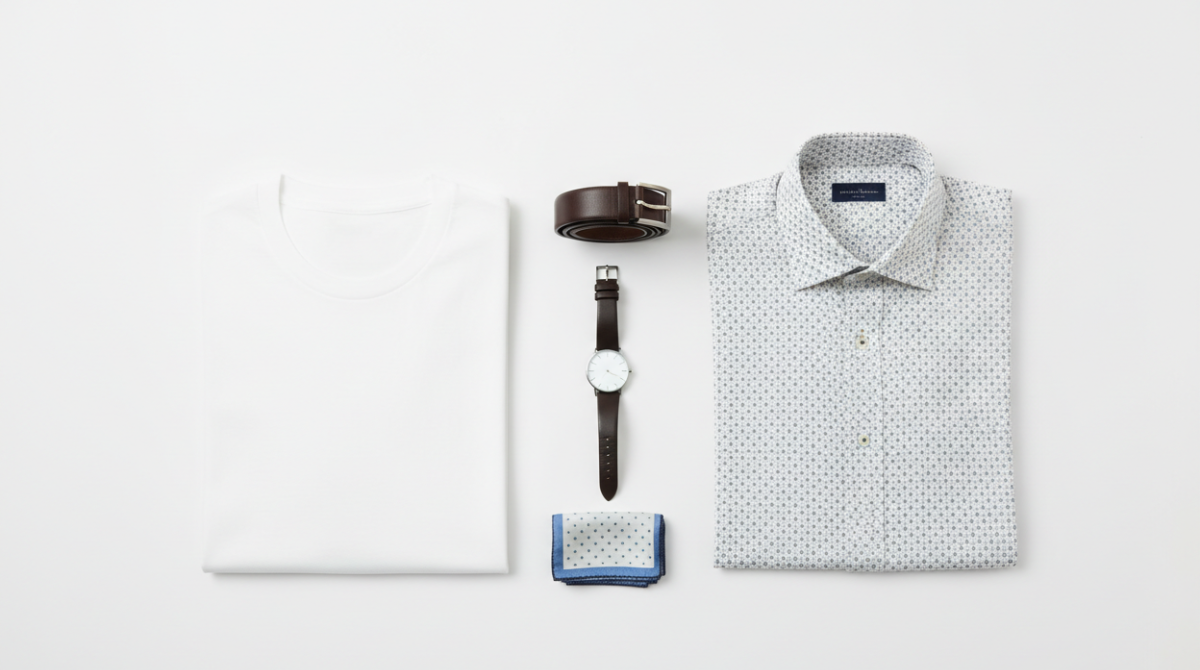
Plain and printed shirts both have a place in a modern wardrobe, but the better choice depends on fit, fabric, skin tone and where you plan to wear it. The goal is not picking a side, it is building outfits that make you look balanced, intentional and comfortable. This guide breaks down how each option affects your proportions, your versatility and the impression you give.
How Plain Shirts Change Your Overall Look?
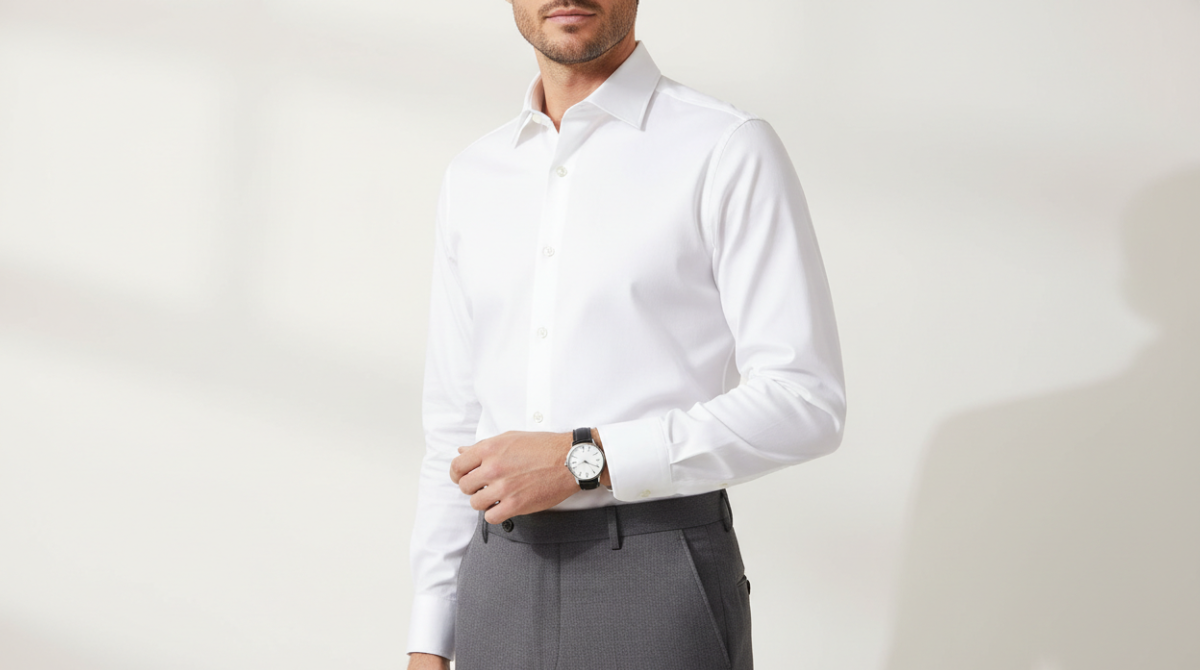
Plain shirts create a clean line from shoulder to hem, so attention goes to your face and the shape of the shirt. That makes them a strong choice when you want a sharp, calm look that does not compete with the rest of your outfit. They also make it easier to wear better trousers, shoes and a watch without visual clutter.
Because there is no pattern, the details matter more. A slightly off collar, wrinkled fabric, or a poor fit shows faster on a plain shirt than on a print. When the fit is right, plain shirts look premium even at moderate price points.
Plain shirts also handle layering with less risk. They sit under blazers, overshirts and sweaters without creating busy stacking, so your outfit looks intentional rather than accidental.
How Printed Shirts Change Your Overall Look?
Printed shirts add personality and movement to an outfit. They can make a simple pair of jeans look styled and they can shift the mood from formal to relaxed in seconds. A good print also creates a focal point, which is useful when you want to draw the eye upward.
Prints can either flatter your build or make you look wider, shorter, or boxier depending on scale and contrast. Small patterns usually read more refined, while large graphics read more casual. Prints also signal confidence, but only when the rest of the outfit stays controlled.
Printed shirts are forgiving in some ways. Minor wrinkles and small fabric imperfections are less obvious on patterns, which can make a printed shirt feel easier to wear on long days.
Fit And Proportions Matter More Than Pattern
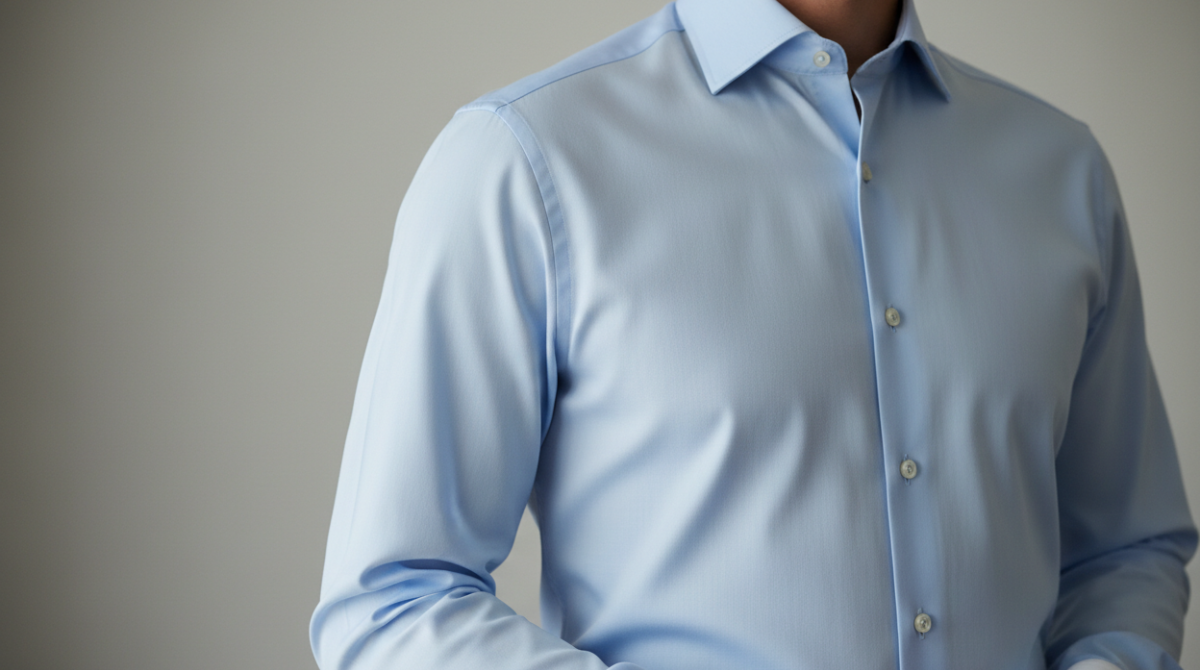
Whether a shirt is plain or printed, the fit decides if it looks sharp. Most style problems come from shoulders that collapse, sleeves that bunch, or a torso that balloons. Start by getting the shoulder seam close to the edge of your shoulder bone.
Pay attention to length as well. A shirt that is too long makes your legs look shorter and a shirt that is too short rides up and looks casual even when you try to dress it up. Prints cannot hide bad proportions, they often highlight them.
- Shoulders: The shoulder seam should sit close to the shoulder edge, not dropping down your arm.
- Chest And Waist: Aim for a clean drape with light taper, avoiding strain at the buttons.
- Sleeves: Cuffs should land near the wrist bone, with enough room to bend your arm easily.
- Hem: Tucked shirts should stay tucked, untucked shirts should end around mid fly.
Once fit is handled, the choice between plain and print becomes much easier and more fun.
Choosing The Right Shirt For Your Skin Tone And Hair Color
Color is the fastest way to make a shirt look better on you, regardless of pattern. If a color fights your skin tone, the best fit still looks slightly off. If a color harmonizes, even a simple shirt looks elevated.
Warm skin tones tend to look strong in earthy shades like olive, camel, cream and warm navy. Cooler skin tones often look sharper in crisp white, charcoal, cobalt and cool greys. If you are unsure, medium blues and soft whites are safe starting points.
Printed shirts add another layer because they contain multiple colors. Choose prints where at least one color matches your best neutrals, so you can anchor the outfit with trousers or jackets that already suit you.
Occasion And Dress Code Should Guide Your Choice
Plain shirts are usually the safer pick for formal settings. They read professional, they pair easily with tailored pieces and they avoid looking trendy. A plain Oxford or poplin shirt can cover a wide range from office to dinner.
Printed shirts shine when the setting allows more personality. They can be great for casual Fridays, weekend wear, vacations and creative environments. The key is controlling the rest of the outfit, so the print looks like a choice rather than noise.
- Work And Interviews: Plain shirts in white, light blue, or subtle solids keep the focus on you.
- Smart Casual Events: Minimal prints like micro checks or fine stripes can work well.
- Weekend And Social Wear: Bolder prints and textures fit naturally with denim and casual shoes.
- Evening Outfits: Dark solids or low contrast prints look sharper under low light.
When in doubt, go plainer as the formality increases and go printed as the environment becomes more relaxed.
Print Scale And Contrast Can Make Or Break The Outfit
Scale means how large the pattern is and contrast means how strongly it stands out from the base color. Both affect how your body is perceived. High contrast large prints pull attention and can make your torso look larger.
Smaller prints are easier to style and generally look more refined. Low contrast patterns feel subtle, which helps if you want the benefits of a print without the loudness. If you are building your first printed options, start with small scale and controlled contrast.
Placement matters too. A busy chest area can make your upper body look wider, while a more evenly distributed pattern tends to look balanced. Avoid prints that create awkward focal points around the buttons or pockets.
How To Style Plain Shirts Without Looking Boring?
A plain shirt only looks boring when the outfit lacks structure or texture. You can add interest through fabric choice, layering and accessories while keeping the clean foundation. The result is often more mature and versatile than a bold print.
Use texture to add depth. Oxford cloth, brushed cotton, linen and chambray all read richer than a flat shiny fabric. These also handle casual and smart casual settings well.
- Choose A Strong Neutral. Start with white, light blue, navy, or olive for maximum outfit range.
- Add A Texture Layer. Use an overshirt, knit sweater, or unstructured blazer to create dimension.
- Control The Silhouette. Pair a clean shirt with trousers that fit at the waist and break neatly at the shoe.
- Finish With Simple Details. A belt that matches your shoes and a minimal watch keeps it sharp.
These moves make a plain shirt look intentional without relying on graphics.
How To Style Printed Shirts Without Looking Loud?
Printed shirts look best when you treat them as the only statement piece. Keep the rest of the outfit calm and let one or two colors from the print guide your trousers and outerwear. This creates harmony and stops the look from feeling chaotic.
Fit is especially important with prints because patterns distort when the shirt pulls. A print that stretches across the chest or belly looks stressed and draws attention to the wrong area. Choose a cut that drapes cleanly when you move.
- Pick One Dominant Color. Match your trousers or jacket to a main color in the print.
- Use Solid Bottoms. Dark denim, chinos, or tailored trousers keep the print grounded.
- Limit Extra Patterns. Avoid patterned ties, socks and jackets in the same outfit.
- Keep Footwear Simple. Clean sneakers, loafers, or plain derbies work better than statement shoes.
With these controls, a printed shirt reads confident rather than flashy.
Plain Vs Printed Shirts Comparison Table
| Feature | Plain Shirts | Printed Shirts |
|---|---|---|
| Best For | Work, formal events, minimal wardrobes | Casual wear, social events, expressive style |
| Styling Difficulty | Low when fit and fabric are right | Medium due to color matching and print scale |
| How It Affects Body Shape | Creates clean lines and a slimmer look | Can add visual width if high contrast or large scale |
| Layering With Jackets | Very easy with blazers and coats | Easier with solid layers and simple textures |
Common Mistakes To Avoid With Both Styles
Most shirt mistakes are not about taste, they are about imbalance. Too much looseness, too much contrast, or the wrong fabric can make a good shirt look cheap. Fixing the basics usually improves your look immediately.
- Overly tight fits: Pulling at buttons and distorted prints look uncomfortable and unflattering.
- Shiny synthetic fabrics: They often catch light in a way that looks low quality.
- Clashing colors: Mixing competing tones makes the outfit feel unplanned.
- Too many statements: Loud print plus loud shoes plus loud accessories rarely looks polished.
Once these issues are removed, your shirts start working with your outfit instead of fighting it.
Building A Balanced Shirt Collection
A strong wardrobe includes both plain and printed shirts, with more weight on solids. Plain shirts cover most dress codes and make daily dressing easier. Prints add variety and personality when you want a change.
Start with a core of versatile solids, then add a few prints that match your existing trousers and jackets. If you only buy prints you love but cannot pair, they end up unused. Aim for prints that connect with your best neutral colors.
- Core Solids: White, light blue, mid blue, navy and one earthy neutral.
- Easy Prints: Micro checks, subtle stripes, small geometric patterns and low contrast florals.
- Seasonal Options: Linen solids for warm weather and darker tones for cooler months.
This mix gives you flexibility without forcing you to overthink every outfit.
Conclusion
Plain shirts look better when you want a clean, sharp and versatile outfit that works across dress codes. Printed shirts look better when you want personality and a clear focal point, as long as the print scale and contrast suit your frame. Fit, fabric and color harmony decide the winner more than the pattern itself.
If you want the safest upgrade, improve your plain shirts first and get the fit perfect. Then add a few controlled prints that match your best neutrals and you will have options that look good on you in almost any setting.