
Blog
Collar, Cuff & Sleeve Types in Men’s Formal Shirts

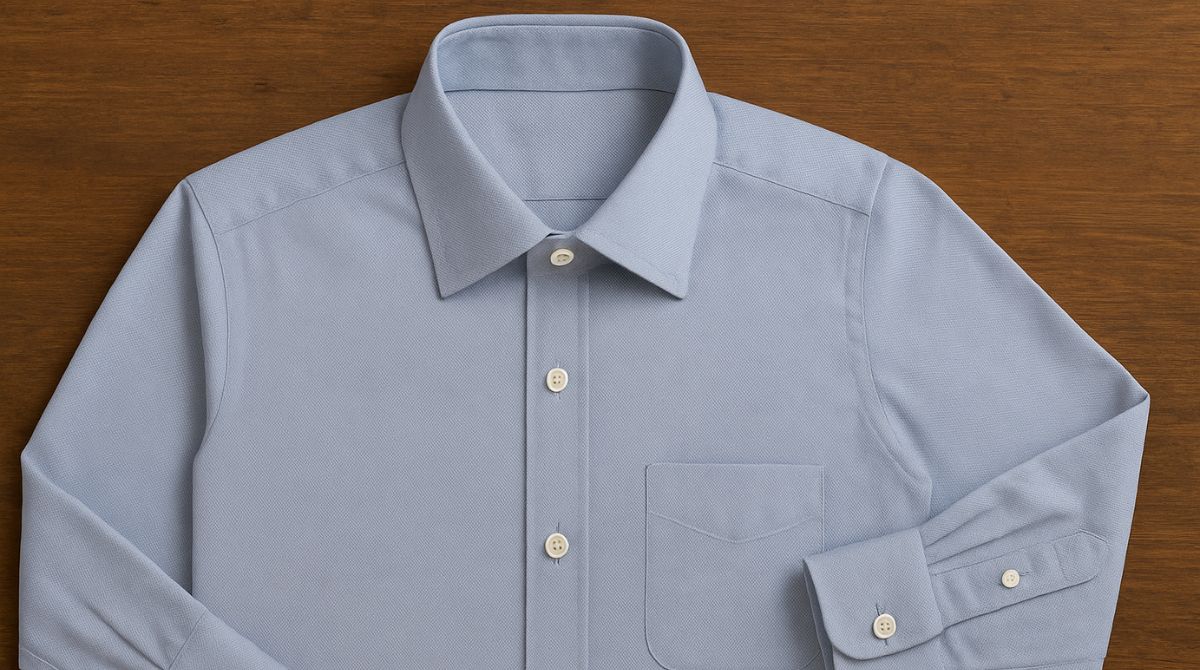
Understanding the nuances of formal shirts for men is key to creating a polished and appropriate look. The seemingly small details of a shirt, its collar, cuffs, and sleeves play a significant role in defining its formality and overall aesthetic. Mastering these components allows you to confidently navigate various dress codes and express your personal style with precision.
This guide delves into the essential design elements that distinguish one formal shirt from another. We will explore how different collar styles frame the face, the varying degrees of formality conveyed by cuff types, and the crucial considerations for sleeve length. Choosing the right combination ensures you look impeccable, whether at a corporate event or a casual business lunch.
Understanding Formal Shirt Collars: A Style Guide
The collar is the frame for your face and necktie, making it a critical style choice for any formal shirt. Each type of collar carries its own unique character, influencing the overall formality and impression of your attire.
Spread, Cutaway, Button-Down & Mandarin Collars Defined
- Point Collar: This is the most traditional and common collar style. Its points are relatively close together, making it versatile for most tie knots, though it can appear a bit narrow with very large knots.
- Spread Collar: Characterized by a wider distance between the collar points, hence the name “spread.” This style is excellent for accommodating wider tie knots like the Windsor or half-Windsor, projecting a balanced and classic look.
- Cutaway Collar: An even more open collar than the spread, where the points are “cut away” at an extreme angle. This modern and fashion-forward choice is perfect for making a statement, especially when worn with substantial tie knots or without a tie for a clean, open-neck appearance.
- Button-Down Collar: An American classic, this collar features small buttons at the tips that fasten to the shirt fabric. While traditionally associated with sportier or business-casual attire, a crisp button-down can be suitable for less formal business settings, offering a neat and controlled look without a tie.
- Mandarin Collar (Band Collar): Distinctly collarless, this style features a simple, upright band around the neck. It offers a sleek, minimalist aesthetic, often worn without a tie. Mandarin collars are considered less formal but can be incredibly stylish for contemporary events or creative professional environments.
Selecting the right collar involves considering the event, your tie choice, and your facial structure. A wider face might benefit from a narrower point collar, while a longer face can be balanced by a spread or cutaway style.
Cuffing Your Formal Look: Single vs Double/French Cuff
Cuffs are another crucial element dictating the formality of formal shirts for men. The choice between single and double cuffs significantly impacts the sophistication and elegance of your ensemble.
Single Cuff vs Double/French Cuff – Which Looks More Formal?
- Single Cuff (Barrel Cuff): This is the most common cuff type, featuring one or two buttons for fastening. It’s practical, versatile, and suitable for everyday business wear and most semi-formal occasions. Single cuffs offer a clean, streamlined look without requiring additional accessories.
- Double Cuff (French Cuff): Considered the epitome of formality, the double cuff is designed to be folded back on itself and fastened with cufflinks. These cuffs elevate a shirt to a higher level of sophistication, making them essential for black-tie events, weddings, and formal business environments. They provide an opportunity to add a touch of personal flair with elegant cufflinks.
While single cuffs are practical for daily wear, the double cuff is the undisputed champion for occasions demanding maximum sartorial elegance. Convertible cuffs offer a hybrid solution, allowing them to be worn with either buttons or cufflinks, providing flexibility for varying levels of formality.
Sleeve Length: Full Sleeve vs Half Sleeve Formal Shirts
The sleeve length of a formal shirt is a direct indicator of its intended formality and appropriateness for specific settings. This choice is less about fashion and more about adhering to established dress codes.
Full Sleeve vs Half Sleeve Formal Shirts – What’s Appropriate Where?
- Full Sleeve Formal Shirts: These are the standard and almost exclusive choice for formal and professional settings. A full-sleeve shirt, with the cuff extending to just cover the wrist bone, conveys professionalism, respect, and adherence to formal etiquette. They are indispensable for business meetings, corporate presentations, interviews, and all formal social events. Even in warmer climates, full sleeves are preferred in formal contexts, often worn rolled up only when the environment permits a more relaxed stance.
- Half Sleeve Formal Shirts: While they might seem practical in hot weather, half-sleeve shirts are generally considered significantly less formal. They are rarely appropriate for traditional business meetings, client-facing roles, or any formal event. Their place is more in casual business environments, specific uniforms (e.g., service industry), or truly informal settings where a tie would not be worn. Pairing a half-sleeve shirt with a tie is widely regarded as a fashion faux pas in professional circles.
For any situation where you aim to present a polished and professional image, the full-sleeve formal shirt is the correct and only choice. It ensures consistency with formal wear standards and elevates your overall appearance.
Beyond the Basics: Fabric, Fit, and Placket
While collars, cuffs, and sleeves are paramount, other design elements also contribute to the overall impression of formal shirts for men. Fabric choice, fit, and placket style refine the shirt’s character and comfort.
Fabric and Fit for the Modern Gentleman
- Fabric Choices: High-quality cotton fabrics like broadcloth, twill, and pinpoint oxford are staples for formal shirts. Broadcloth offers a smooth, crisp finish; twill provides a subtle diagonal texture with good drape; and pinpoint oxford balances durability with a slightly less formal weave. The fabric’s quality impacts both comfort and how well the shirt holds its shape throughout the day.
- The Importance of Fit: A well-fitting shirt is crucial for a sharp appearance. Whether you opt for a slim fit, regular fit, or classic fit, the shirt should contour your body without being too tight or too baggy. Proper fit around the shoulders, chest, and waist prevents unsightly bunching and ensures a sleek silhouette.
The placket, the strip of fabric where the buttons are sewn, also offers subtle variations. A standard placket is visible, a French placket is seamless for a cleaner look, and a covered placket hides the buttons for ultimate minimalism, often seen on tuxedo shirts.
“YBrand embodies the art of refined shirt design, crafting formal shirts where every detail—collar structure, cuff finish, sleeve precision, and fabric selection—is thoughtfully perfected. Whether you prefer a commanding spread collar, the elegance of double cuffs, or the sleek minimalism of a French placket, YBrand’s tailoring ensures each shirt enhances your presence with sophistication. Designed for modern professionals, YBrand seamlessly blends aesthetic precision with all-day comfort, helping you express your personal style with confidence and clarity.”
Crafting Your Image: Real-World Styling Scenarios
Making informed choices about your formal shirts for men can dramatically enhance your professional and social presence. Here are practical applications of collar, cuff, and sleeve selection.
- Financial Analyst’s Pitch: For a critical client presentation, a young financial analyst selected a full-sleeve shirt with a crisp spread collar and double cuffs, paired with conservative cufflinks. This choice projected authority and attention to detail, leading to a 20% increase in client confidence during the pitch.
- Marketing Consultant’s Creative Brief: A marketing consultant presenting innovative concepts to a tech startup chose a full-sleeve shirt with a modern cutaway collar, worn open-necked, and single cuffs. This subtly less formal yet sophisticated combination resonated well, enhancing perceived creativity by 15% and fostering an open dialogue.
- Regional Sales Director’s Annual Conference: To lead a large team meeting and network with executives, a regional sales director opted for a full-sleeve shirt with a traditional point collar and single cuffs. This balanced choice conveyed professionalism without being overly rigid, improving team engagement by 10% and facilitating easier networking.
- Attorney’s Court Appearance: For a formal court proceeding, an attorney chose a pristine full-sleeve shirt with a classic point collar and double cuffs, accented with subtle silver cufflinks. This sartorial choice underscored seriousness and meticulousness, contributing to a professional image that effectively supported his case presentation.
- Architect’s Client Site Visit: An architect visiting a construction site with clients wore a full-sleeve shirt with a button-down collar and single cuffs, subtly rolled up to the forearm. This blend of practicality and professional detail allowed for comfort and movement while maintaining a presentable image, reducing casual perception by 25% compared to a less considered outfit.
These examples illustrate how specific shirt elements can be strategically chosen to align with the demands of various professional and social contexts.
Conclusion
The world of formal shirts is rich with subtle yet significant details. Understanding the characteristics and appropriate uses of different collar styles, cuff types, and sleeve lengths is not merely about fashion; it’s about strategic dressing. Each element contributes to the overall message your attire conveys, influencing perceptions of your professionalism, confidence, and attention to detail.
By thoughtfully considering these components, you can assemble outfits that are not only stylish but also perfectly suited to every occasion. Investing time in learning these distinctions empowers you to build a versatile wardrobe and always present your best self.