
Blog
How to Match a Tie With a Dress Shirt and Suit?

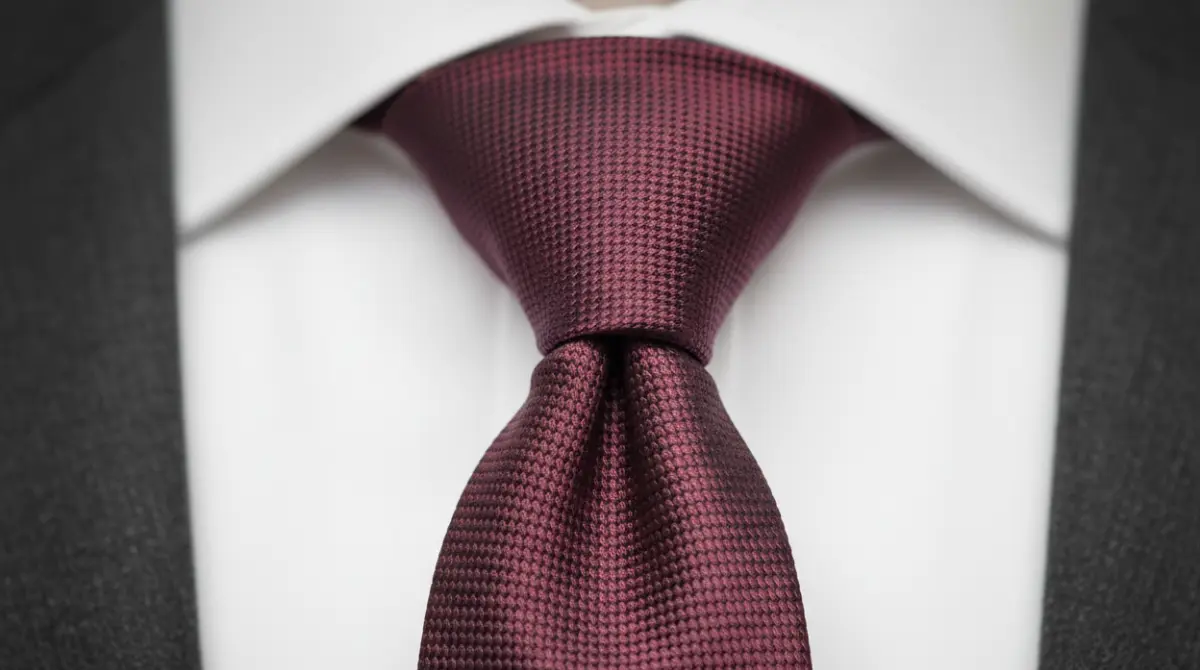
A well-matched tie, dress shirt and suit create a clean line from your face to your jacket. The goal is contrast that feels intentional, not loud or accidental.
When colors fight or patterns overlap, the outfit looks busy and your features get lost. When they work together, your look becomes sharper, more formal and easier to trust at a glance.
Start With The Suit Color First
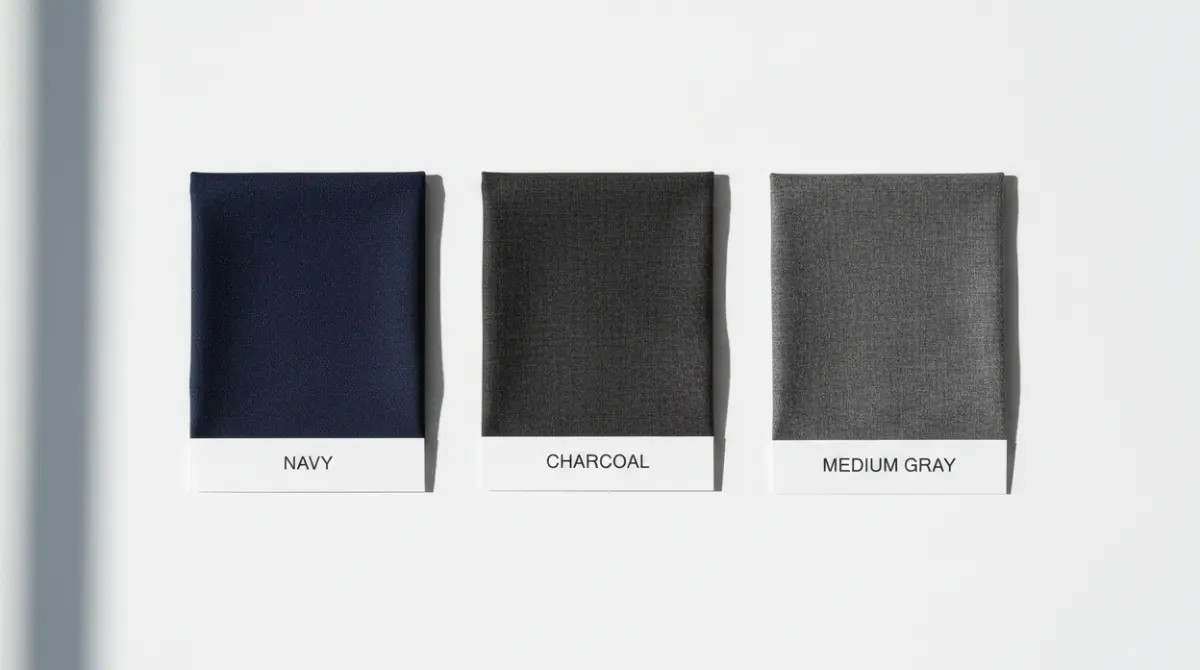
The suit is the largest block of color, so it sets the mood and the level of contrast you can handle. Once the suit is chosen, the shirt and tie should support it rather than compete with it.
Start by identifying whether your suit is dark, mid-tone, or light. Then decide if you want a classic, high-contrast pairing or a softer, tonal combination.
- Navy suits: Pair well with crisp whites, light blues and most tie colors, especially deep reds, greens and textured neutrals.
- Charcoal suits: Read formal and modern, so they look best with clean shirts and ties that add controlled color.
- Medium gray suits: Offer flexibility and can handle brighter ties if the shirt stays simple.
- Black suits: Feel evening-leaning and strict, so avoid overly playful patterns and keep contrast clean.
- Tan and light suits: Work best with lighter shirts and ties that add depth without looking heavy.
Once the suit color is locked in, the shirt becomes the bridge that controls contrast and brightness.
Choose A Dress Shirt That Complements The Suit
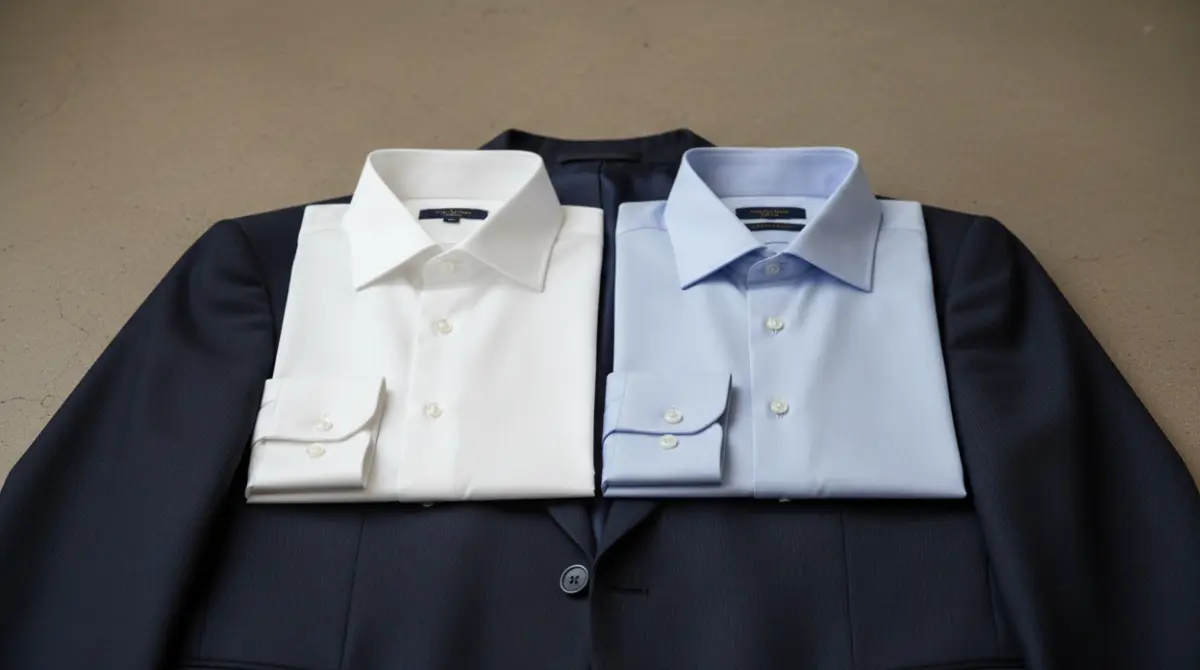
A dress shirt should brighten the suit and frame your face. White is the safest because it pairs with everything and makes tie colors look richer.
Light blue is the next most versatile because it softens contrast while staying professional. Soft pink, lavender and subtle patterns can work when the suit is simple and the tie is restrained.
- High contrast: Dark suit with a white shirt makes almost any tie look sharper and more defined.
- Medium contrast: Navy or gray suit with a light blue shirt reads confident and less formal than white.
- Low contrast: Light suit with a pale shirt creates an airy look, so the tie should add depth and structure.
Keep collar shape in mind, since it affects how the tie knot sits and how balanced the upper chest looks.
How To Match Tie Colors The Right Way?
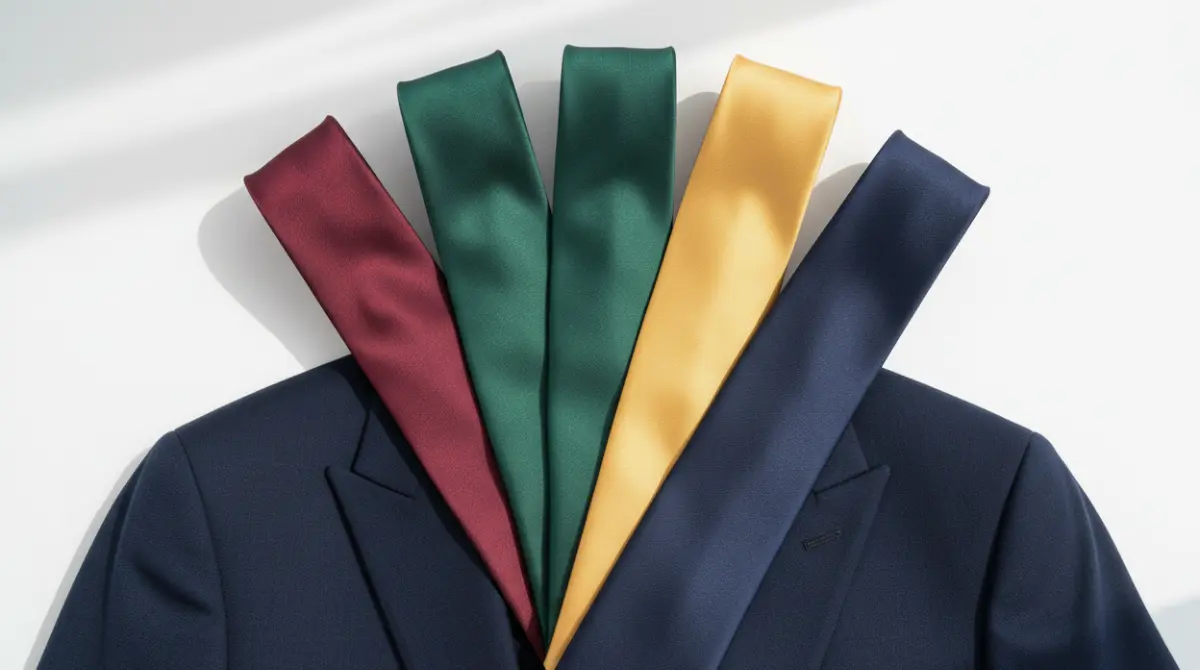
Color matching works best when you think in layers. The tie should be darker than the shirt in most cases and it should either echo the suit or provide controlled contrast.
Start with a tie color family that complements the suit, then refine by looking at undertones. Cool suits pair easily with cool ties, while warm suits look stronger with warm, earthy tones.
- Navy suit: Burgundy, forest green, gold, navy tonal and deep purple are reliable choices.
- Charcoal suit: Burgundy, black, silver, deep blue and bottle green stay formal and clean.
- Medium gray suit: Burgundy, navy, teal and textured brown add personality without losing polish.
- Tan suit: Navy, brown, olive, rust and burgundy add depth and prevent the look from washing out.
Also consider tie texture, since grenadine, knit and wool ties change the formality even when the color stays the same.
How To Mix Patterns Without Clashing?
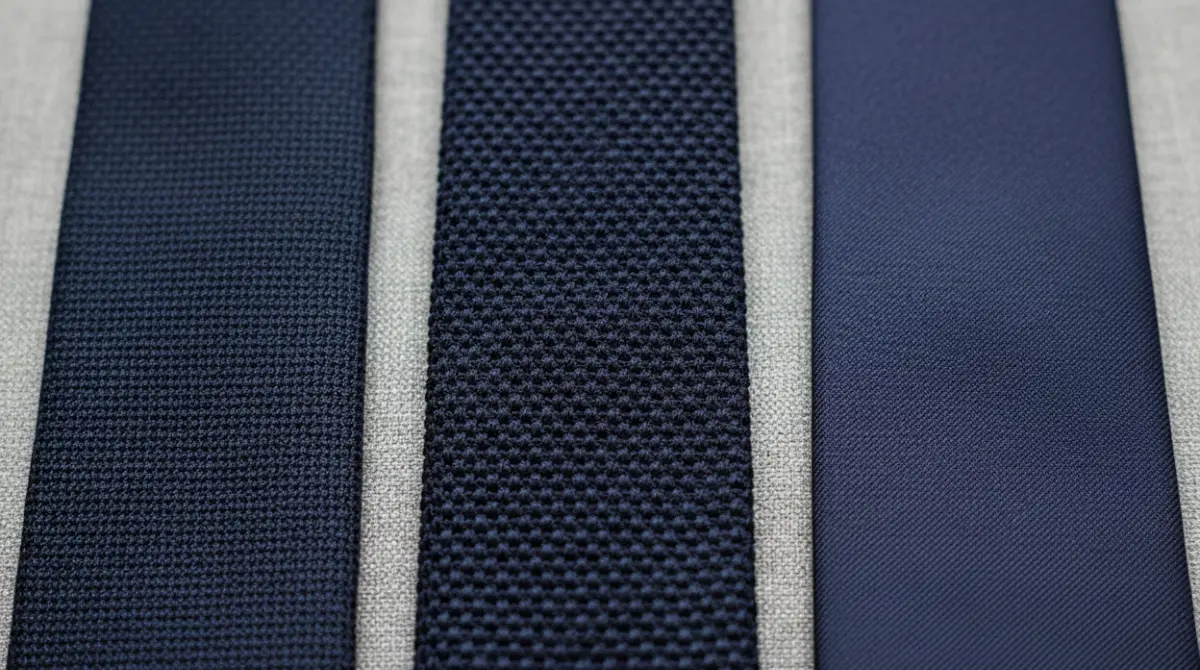
Pattern mixing looks best when the scale is clearly different. If your shirt has a small pattern, choose a tie with a larger pattern and keep the suit solid or subtly textured.
Avoid having all three pieces patterned at once unless you are confident in scale control. Most sharp outfits use one patterned piece as the focal point and keep the other two calm.
- Solid suit and solid shirt: Add a patterned tie such as stripes, dots, or a restrained paisley.
- Solid suit and patterned shirt: Use a solid or lightly textured tie to avoid visual noise.
- Subtle suit texture: Works well with classic striped ties and simple shirts without bold prints.
Color harmony matters as much as pattern scale, so keep at least one shared tone between shirt and tie.
Best Tie Combinations For Popular Suit Colors
These combinations rely on proven contrast rules and easy color harmony. They also work across a range of skin tones because the shirt stays bright and the tie carries the main color.
| Suit Color | Dress Shirt | Tie Choices That Work |
|---|---|---|
| Navy | White or Light Blue | Burgundy, Forest Green, Gold, Navy Grenadine |
| Charcoal | White | Black Knit, Burgundy Silk, Deep Blue Stripe |
| Medium Gray | White, Light Blue, Soft Pink | Navy, Teal, Burgundy Dot, Brown Texture |
| Tan | White or Pale Blue | Navy, Olive, Rust, Chocolate Brown |
Use the table as a baseline, then adjust brightness and texture based on how formal the setting is.
Tie And Shirt Combinations For Different Occasions
Occasion should guide contrast, pattern and fabric. Formal settings reward simplicity, while social settings allow more texture and slightly bolder color.
Business And Interviews
Keep the shirt solid and the tie classic. Navy or charcoal suits with a white or light blue shirt and a conservative tie project reliability.
- Safest approach: Solid white shirt and a tie in burgundy, navy, or dark green.
- Best patterns: Subtle stripes or small dots that read clean from a distance.
- Avoid: High-shine novelty ties and overly bright contrast that distracts.
This combination photographs well and keeps attention on your face.
Weddings And Evening Events
Weddings usually allow richer colors, but the formality still matters. Silk ties and deeper shades look refined, especially with a crisp white shirt.
- Classic formal: Charcoal suit, white shirt, deep burgundy tie.
- Modern elegant: Navy suit, white shirt, dark green tie with a matte texture.
- Black tie adjacent: Black suit works best with a white shirt and a dark, minimal tie.
Keep patterns restrained so the outfit stays timeless in photos.
Smart Casual And Social Settings
Texture becomes your advantage here. Knit ties, wool ties and grenadine weaves add depth without needing bright colors.
- Relaxed contrast: Light blue shirt with a navy knit tie under a gray suit.
- Warm palette: White shirt with an olive or rust tie under a tan suit.
- Pattern play: Solid suit, lightly patterned shirt and a solid textured tie.
Even in relaxed settings, keep the tie darker than the shirt for a clean vertical line.
Final Tips For Creating A Sharp And Balanced Look
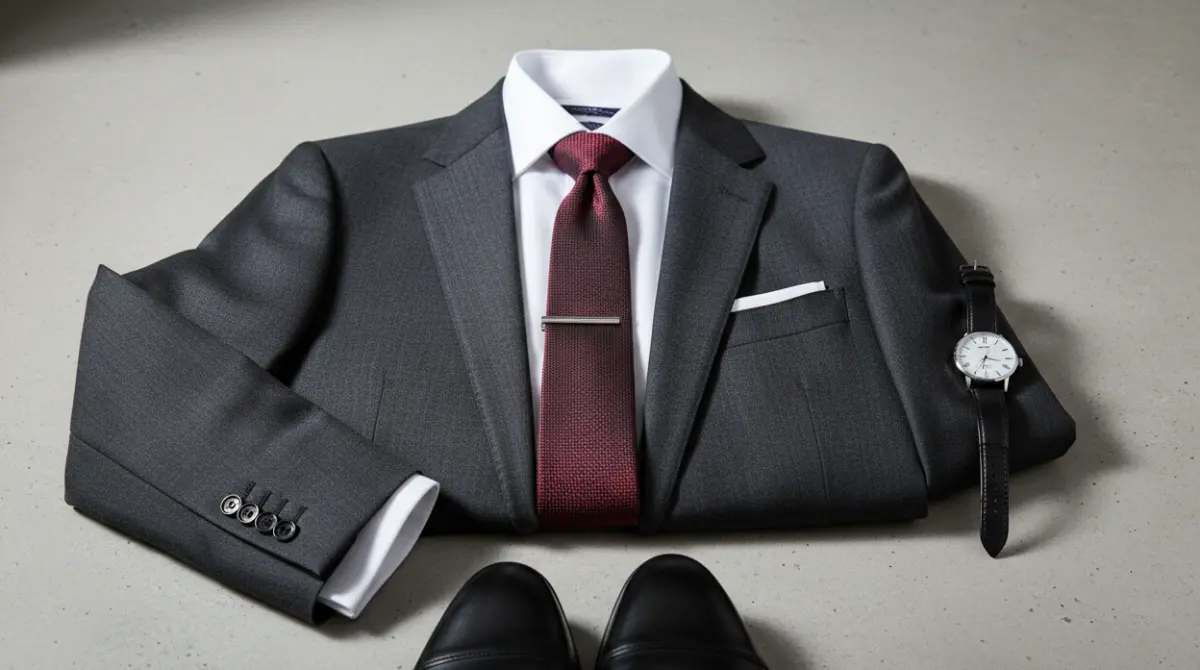
Small details decide whether an outfit looks styled or just assembled. Prioritize fit and proportion, then use color and pattern to finish the job.
- Match the tie width to the lapels: Similar widths look balanced and modern.
- Control contrast at the collar: A crisp shirt collar frames the knot and keeps the look polished.
- Use texture to add interest: Knit, grenadine, or wool can replace loud patterns.
- Keep metals consistent: Watch, belt buckle and tie bar should share a similar tone.
- Check in natural light: Colors can shift indoors, especially blues and grays.
When in doubt, simplify one element and let the other two pieces do their job. A solid suit, clean shirt and thoughtfully chosen tie will always read sharp and confident.
Conclusion
To match a tie with a dress shirt and suit, start with the suit color, choose a shirt that sets the right contrast, then select a tie that is darker than the shirt and harmonious with the suit. Keep patterns to one focal piece and vary scale so nothing competes.
Use classic combinations as a base, then refine with texture, undertones and occasion-appropriate formality. With these rules, your tie stops being an afterthought and becomes the finishing touch that brings the whole outfit together.