
Blog
Best Shirt Fabrics for Hot Weather: Stay Cool and Comfortable in Summer

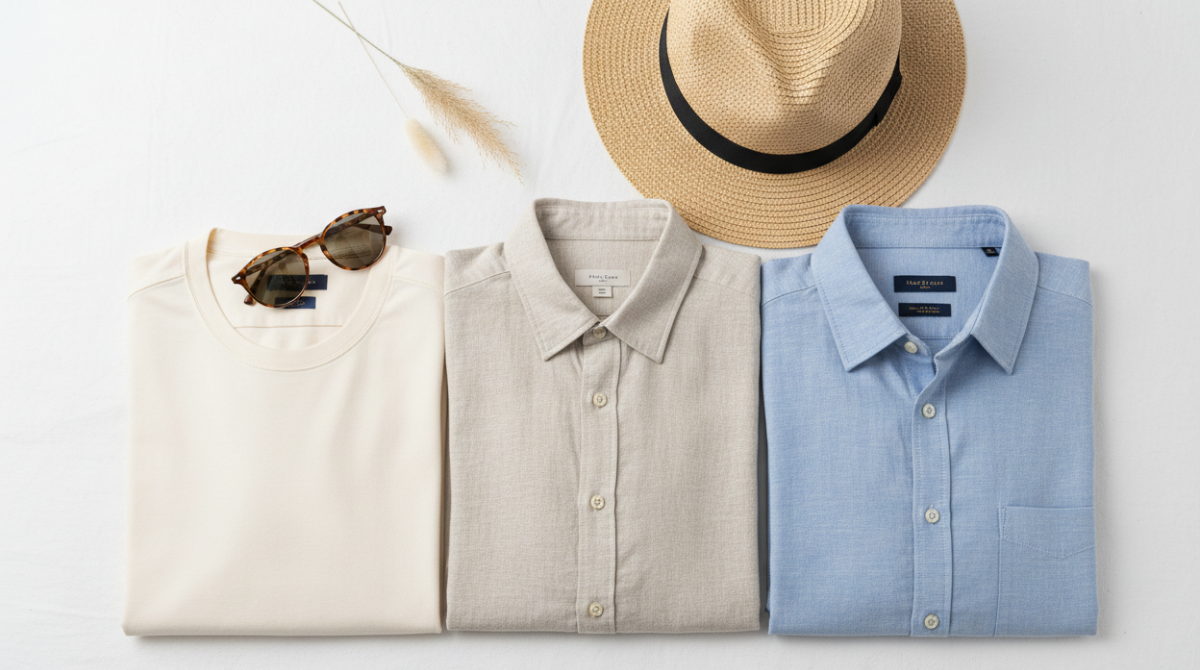
Hot weather turns a normal day into a comfort test. The fabric on your back decides how much heat you trap, how quickly sweat dries and whether you stay relaxed or feel sticky.
The best shirt fabrics for hot weather balance breathability, moisture control and a light hand feel. Fiber type matters, but weave, thickness and finish can matter just as much.
Why Choosing The Right Shirt Fabric Matters In Hot Weather?
Heat and humidity push your body to cool itself through sweat. If a shirt holds moisture and blocks airflow, sweat stays on the skin and the shirt clings.

A warm-weather fabric should let air pass through, release moisture and avoid overheating from trapped heat. The right pick also reduces odor buildup because sweat dries faster and bacteria have less time to multiply.
Three fabric qualities drive comfort in summer. These basics help you compare shirts on a rack without guessing.
- Breathability: Open weaves and natural fibers allow airflow so heat escapes.
- Moisture Management: Some fibers absorb, some wick and some do both depending on the blend and finish.
- Weight And Drape: Lightweight fabrics that sit off the skin feel cooler than dense fabrics that cling.
Once you know these levers, choosing between cotton, linen, chambray, or rayon gets much easier.
Cotton Shirts The Most Breathable Everyday Option
Cotton is a go-to for daily wear because it feels soft, breathes well and is easy to wash. In hot weather, it performs best when the fabric is light, loosely woven and not heavily finished.
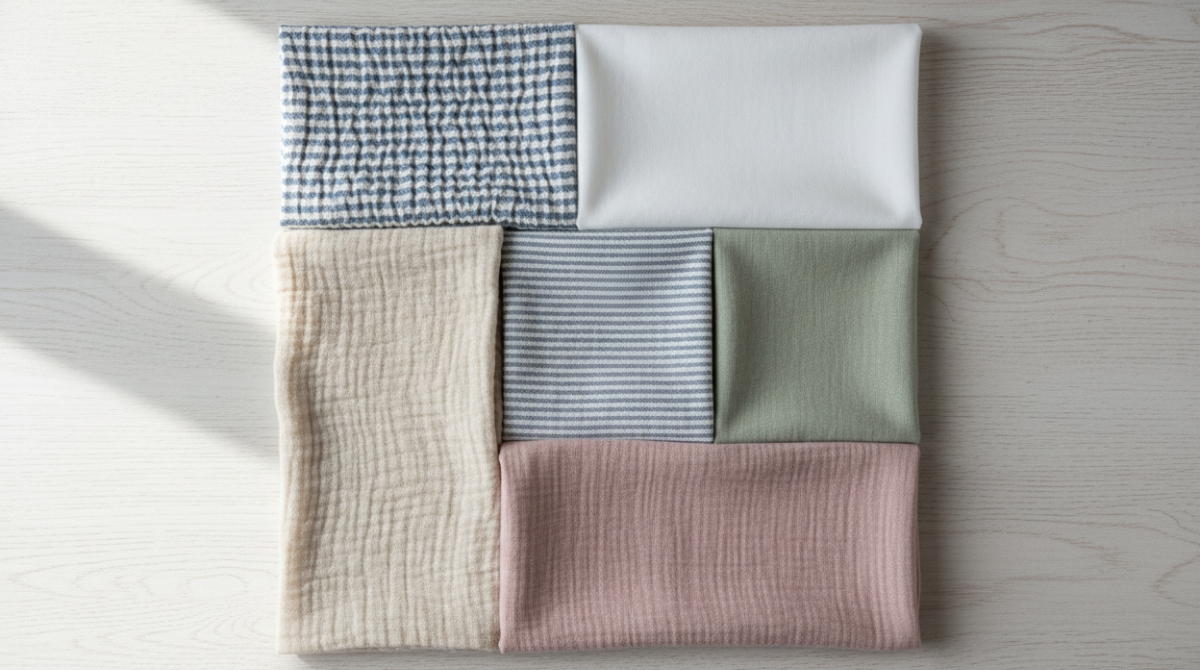
Cotton absorbs sweat, which can feel comfortable at first, then heavy if the fabric stays wet. That is why cotton works well for moderate heat, office days and casual wear where you can cool down indoors.
Not all cotton shirts feel the same. Look at weave and fabric weight instead of relying on the fiber name alone.
- Poplin: Smooth and crisp, with good airflow when the weight is light.
- Oxford: Slightly thicker and more textured, better for warm days than extreme heat.
- Seersucker: Puckered texture lifts fabric off skin, improving ventilation and reducing cling.
- Gauze Or Double Gauze: Very airy and soft, great for relaxed fits and humid climates.
For comfort, favor lighter colors, a roomier cut and minimal inner lining at the yoke.
Linen Shirts Lightweight And Perfect For Extreme Heat
Linen is a top performer when temperatures climb. The fiber structure is naturally breathable and the typical weave leaves space for airflow, which helps heat dissipate quickly.

Linen also absorbs moisture and releases it faster than many fabrics, so it feels less swampy in humidity. The tradeoff is wrinkling, which is a feature of the fiber rather than a defect.
Small details change how linen wears. A slightly heavier linen can drape better and still stay cool, while very thin linen feels breezy but may look more casual.
- Pure Linen: Maximum airflow and that classic dry, cool hand feel.
- Linen Cotton Blend: Softer wrinkles and a smoother look, with strong warm-weather comfort.
- Washed Linen: Pre-softened and less crisp, often better for sensitive skin.
If you want the coolest option for outdoor days, linen is hard to beat.
Chambray Fabric A Stylish Alternative To Denim
Chambray gives a denim-like look without the denim heat. It is usually woven with a colored warp and white weft, creating that familiar blue tone while staying lighter and more breathable.
Because chambray is often cotton, it shares cotton’s strengths and weaknesses. It breathes well in a lighter weight, but can hold moisture in very humid conditions.
Chambray works well for summer outfits that need structure. It keeps its shape better than many ultra-light fabrics and looks polished even with rolled sleeves.
- Choose Light Weight: A thinner chambray feels cooler and dries faster.
- Check The Weave Tightness: A looser weave improves airflow and reduces heat retention.
- Prefer Relaxed Fits: Extra room boosts ventilation, especially across the back and chest.
When you want a casual button-down that still looks sharp, chambray is a smart middle ground.
Rayon And Blended Fabrics Affordable And Comfortable Choices
Rayon and viscose are regenerated cellulose fibers that can feel cool and smooth. Many rayon shirts drape away from the body, which improves airflow and reduces that clingy feeling when you sweat.
Rayon can absorb moisture, but it may not dry as quickly as some technical fabrics. Durability also depends on construction, since rayon can weaken when wet if the fabric is delicate.
Blends can solve specific comfort problems when they are designed well. The key is knowing what each component contributes to heat comfort.
- Rayon Linen: Softer than pure linen with a fluid drape, while staying airy.
- Cotton Modal: Smooth, soft and breathable, often with improved moisture feel compared to basic cotton.
- Cotton Polyester: Can dry faster and resist wrinkles, but may feel warmer if the knit or weave is dense.
- Performance Blends: Often include elastane for stretch and a finish that boosts wicking, best for active use.
For value, focus on fabric weight, openness and how the shirt feels against the skin rather than the label alone.
Fabrics To Avoid In Hot Weather
Some fabrics trap heat or cling when damp, making summer 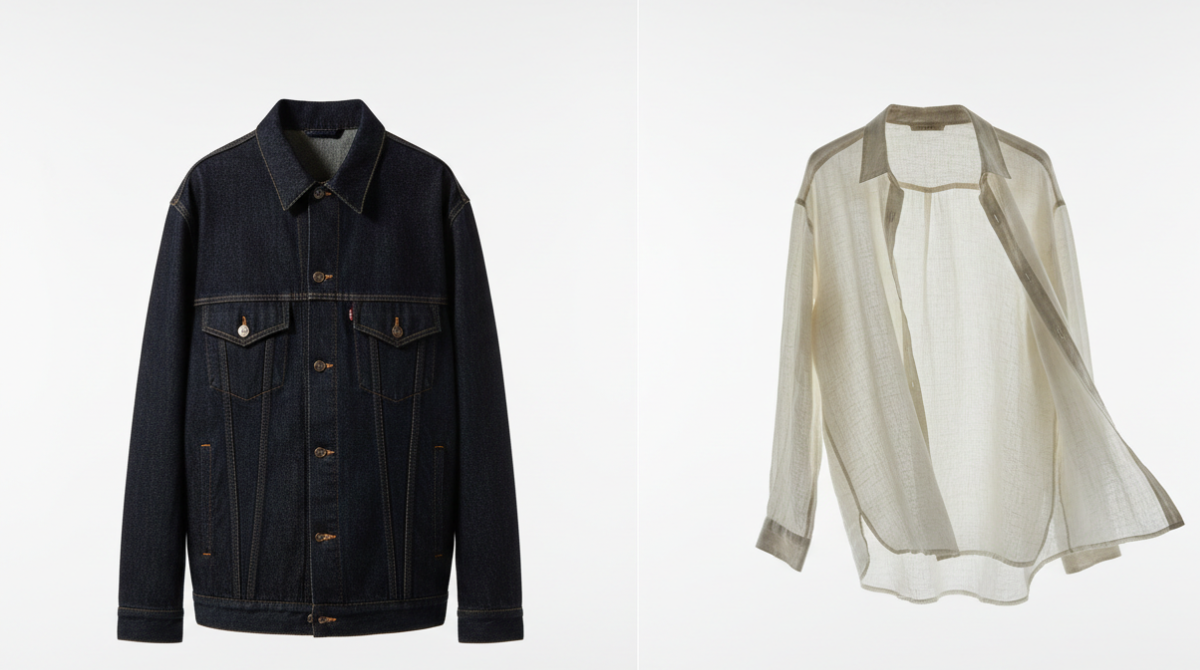 feel worse. Even a great cut cannot fully overcome a fabric that does not breathe.
Avoiding the worst offenders can be as important as choosing the best shirt fabrics for hot weather. The main issues are poor airflow, slow drying and heavy construction.
- Heavy Denim: Thick yarns and dense weave retain heat and take a long time to dry.
- Thick Flannel: Brushed surfaces hold warmth and reduce ventilation.
- Non-Breathable Synthetics: Some polyester or nylon weaves feel hot and can trap odor if not designed for performance.
- Leather Or Coated Fabrics: Minimal airflow and high heat retention, even in small panels.
If you must wear a synthetic, look for a proven wicking construction and a lighter weight to keep it breathable.
How To Choose The Best Fabric Based On Your Daily Use?
Daily context matters because the same shirt can feel different at a desk, on a commute, or in direct sun. Use your environment, activity level and dress code to guide your choice.
This table compares popular warm-weather fabrics using practical criteria. Use it to narrow down your shortlist fast.
| Fabric | Best For | What To Look For |
|---|---|---|
| Lightweight Cotton | Everyday wear and casual office | Poplin, seersucker, or gauze with a breathable weave |
| Linen | Extreme heat and humid climates | Medium to light weight, relaxed fit, minimal lining |
| Chambray | Polished casual looks | Light weight chambray, not denim, with room through the back |
| Rayon Or Rayon Blends | Dressy drape and warm evenings | Breathable construction, quality stitching, easy-care instructions |
After choosing a fabric, fine-tune comfort with fit, color and details that improve airflow.
Start with the areas that overheat first, usually the chest, upper back and underarms. A slightly looser cut and a breathable weave can make a bigger difference than switching brands.
Final Tips To Stay Cool And Sweat-Free In Summer
Fabric choice sets the foundation, but small styling and care habits keep you comfortable longer. These tips reduce cling, improve ventilation and help shirts stay fresher between washes.
- Prioritize Light Colors: Lighter shades absorb less heat and feel cooler in direct sun.
- Choose Breathable Weaves: Hold the fabric to light and favor options that let some light through.
- Avoid Tight Fits: A bit of space lets air circulate and reduces sweat marks.
- Pick Shorter Sleeves Or Roll Them: More exposed skin improves cooling and reduces trapped heat at the arms.
- Wash For Softness And Airflow: Fabric softeners can reduce absorbency, so use them sparingly and keep shirts well rinsed.
Comfort in heat is usually a mix of smart fabric and smart fit. When both are right, you can stay cool without overthinking your outfit.
Conclusion
The best shirt fabrics for hot weather are the ones that breathe, manage moisture and feel light on the skin. Lightweight cotton covers everyday needs, linen excels in extreme heat, chambray offers a structured summer look and rayon or blends add soft drape at a friendly price.
Skip heavy, dense fabrics that trap heat and shop with weave, weight and fit in mind. With the right fabric choices, summer days feel easier and your shirts stay comfortable from morning to evening.