
Blog
How to Choose the Best Cufflinks for Formal Wear

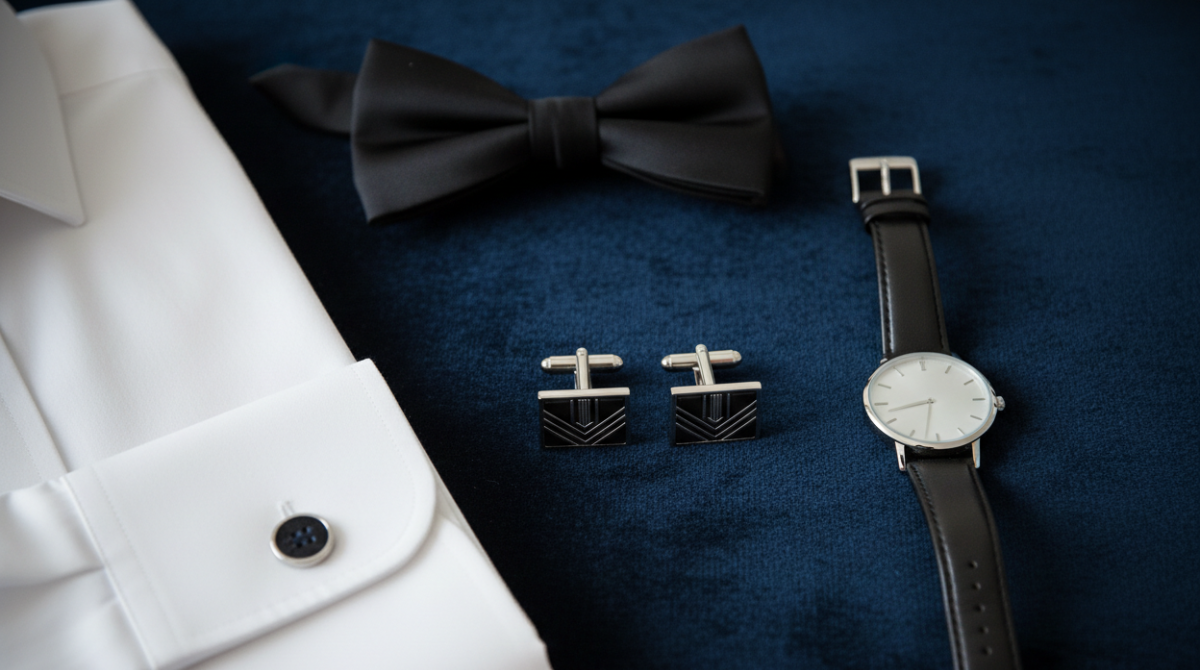
Cufflinks are a small detail that changes how formalwear reads up close. The right pair signals intention, matches the dress code and finishes the line from cuff to jacket sleeve.
Choosing well is less about chasing trends and more about fit, material and restraint. When those are right, cufflinks feel effortless and never distract from the suit or tuxedo.
Understand Formal Wear Dress Codes
Start with the event’s formality and time of day. Black tie, white tie and formal business each set different expectations for shine, color and how noticeable accessories should be.
When the dress code is strict, keep the cufflinks classic and low contrast. When it is flexible, you can add subtle personality while staying polished.
- White tie: Choose understated precious metal and a minimal face, often with mother of pearl or plain metal, to avoid competing with full evening dress.
- Black tie: Favor sleek metals and dark accents such as onyx, enamel, or mother of pearl, with a refined profile that sits flat.
- Formal business: Select conservative shapes and finishes that echo a watch case or belt hardware, keeping colors quiet and professional.
Once you know the dress code, every other choice becomes simpler and more consistent.
Match Cufflinks To The Shirt Cuff
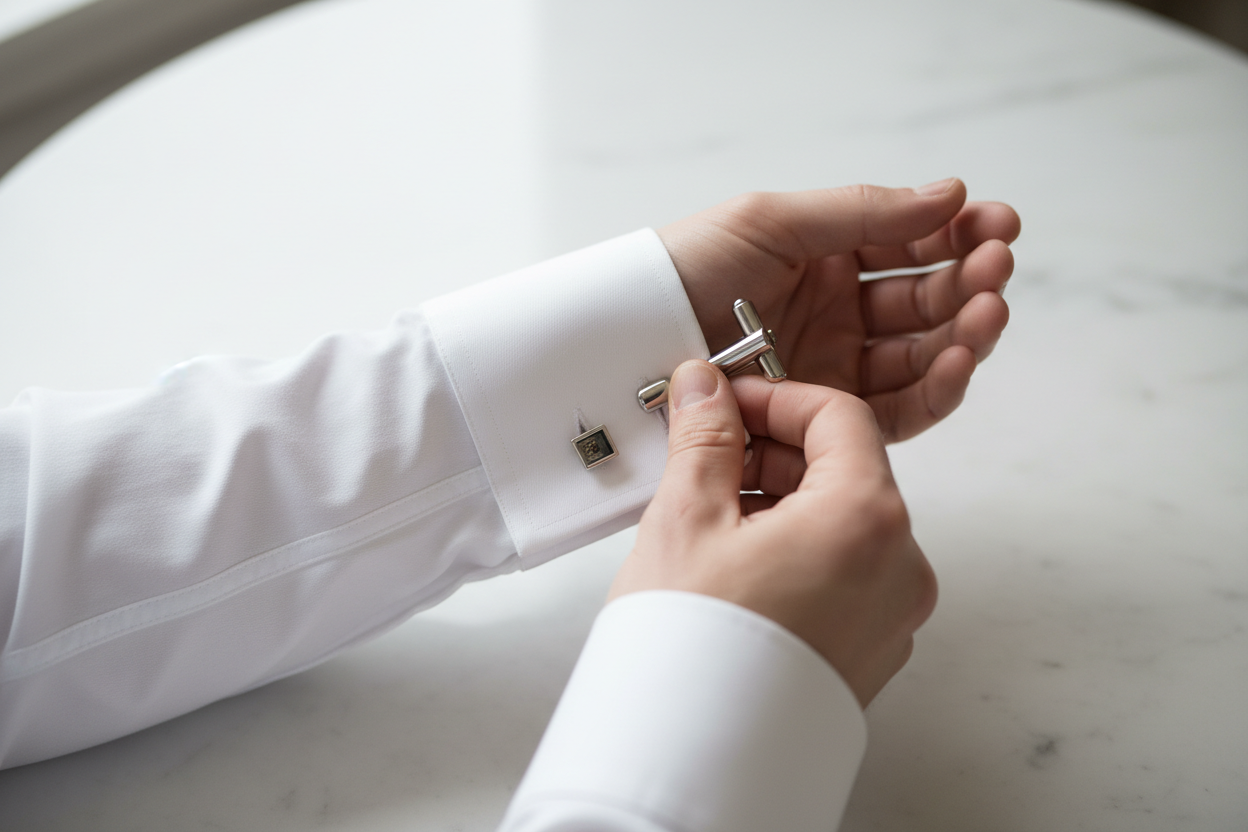
Cufflinks only work with shirts that have double cuffs, also called French cuffs, or convertible cuffs designed for links. Standard barrel cuffs typically use buttons, not links.
Check the cuff hole alignment and thickness. A thick cuff needs a post length that closes comfortably without pulling or leaving a gap.
- French cuffs: Look best with slim, balanced cufflinks that sit close to the cuff edge.
- Convertible cuffs: Pair well with smaller links, since the cuff is often lighter and can twist if the face is heavy.
- Stiff formal shirting: Works with most closures, but very stiff cuffs can feel tight with thick posts.
Proper fit at the cuff keeps the sleeve drape clean and prevents the cuff from rotating during the day.
Choose The Right Metal And Finish
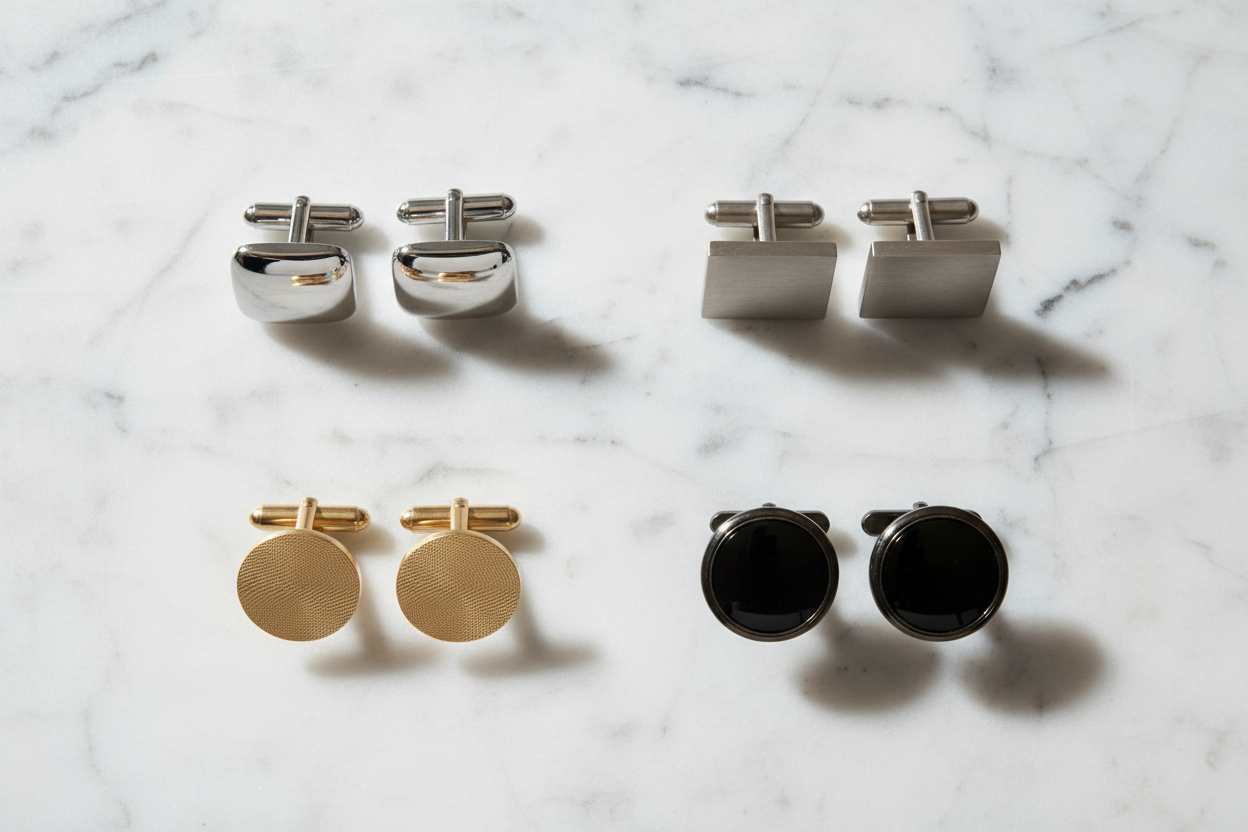
Metal choice affects both color temperature and perceived formality. Silver tone metals read crisp and modern, while yellow gold feels traditional and more prominent.
Finish matters as much as the metal itself. High polish looks dressier but shows scratches, while brushed or satin finishes hide wear and feel quieter.
- Stainless steel: Durable, versatile and easy to match with most watches and suit hardware.
- Sterling silver: Classic and bright, with a premium feel, though it can tarnish and needs occasional polishing.
- Gold and gold tone: Best when coordinated with a gold watch or ring, otherwise it can look isolated.
- Platinum and palladium tone: Understated luxury that pairs well with cooler color palettes.
Keep the finish consistent with other metals you are wearing so the overall look feels intentional.
Select A Closure That Feels Secure
Closure style affects comfort, security and how quickly you can put cufflinks on. For formal wear, a low profile closure that stays aligned is usually the easiest to live with.
Choose a mechanism that holds the cuff layers without forcing them. A secure closure also prevents the face from drooping and keeps both cuffs symmetrical.
- Bullet back: Common and practical, with good security and fast fastening.
- Whale back: Similar to bullet back but flatter, often comfortable under tighter jacket sleeves.
- Fixed back: Very sleek, but it requires precise cuff hole sizing and can be slower to insert.
- Chain link: Traditional and flexible, though it can rotate more during wear.
After picking the closure, focus on face size so the cufflink looks proportional on the wrist.
Get The Size And Profile Right
For formal wear, smaller and flatter cufflinks typically look more refined. Oversized faces draw attention to the wrist and can clash with the clean lines of a tuxedo or tailored suit.
Aim for a face that sits within the cuff edge and does not press into the jacket sleeve. Low profile pieces also reduce scratching on fine fabrics.
- Subtle round or oval faces: A safe choice for most wrists and shirts.
- Rectangular faces: Sharper and more modern, best when the rest of the outfit is minimalist.
- Knot styles: Soft and understated, especially in silk, but keep colors muted for formal settings.
When in doubt, choose understated dimensions and let fit and finish do the work.
Coordinate With Watch, Rings And Other Accessories
Cufflinks should support the overall accessory story. The most important match is the metal tone across watch case, wedding band and cufflinks.
Also consider the shirt studs, tie bar and belt buckle if they are visible. Consistency beats perfect sameness, especially when the metals share a similar finish.
- Metal tone: Keep all visible metals within the same family, either silver tone or gold tone.
- Finish level: Pair polished cufflinks with polished watch cases and brushed cufflinks with brushed hardware when possible.
- Accent stones: Match dark stones with dark footwear and formal evening palettes and keep bright colors to less formal events.
Once accessory harmony is set, the next decision is whether to add color or stay monochrome.
Use Color And Stones With Restraint
Color can elevate a formal look when it is controlled. Dark, neutral inlays such as onyx, black enamel, or deep navy keep things elegant and pair naturally with evening wear.
Bright gemstones can look out of place unless the event allows expressive accessories. If you choose a stone, prioritize clean setting work and a stable bezel that will not snag delicate cuffs.
- Onyx: A black tie staple that looks sharp against a white shirt.
- Mother of pearl: Soft sheen that works in both daytime formal and evening looks.
- Enamel: Smooth and sleek, often more durable than it appears when well made.
With color settled, material quality becomes the deciding factor for long term wear.
Evaluate Craftsmanship And Comfort
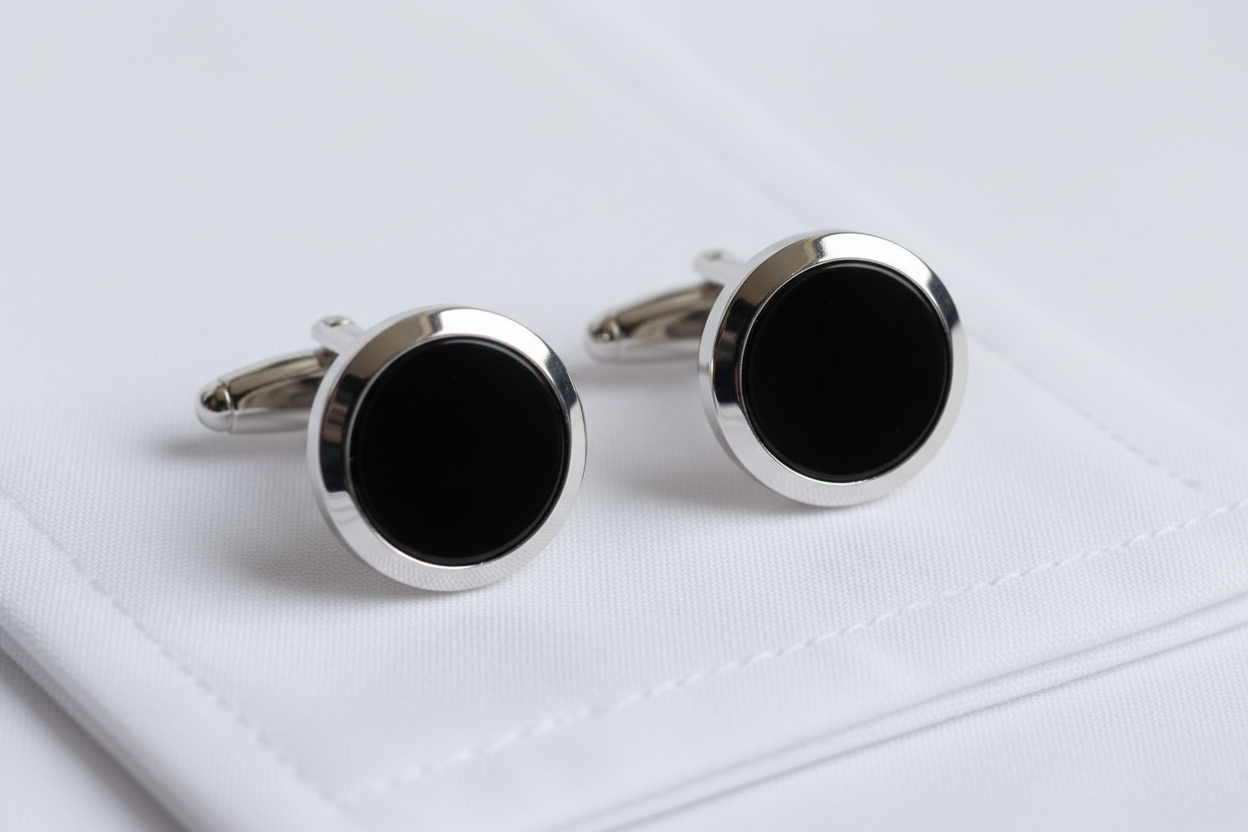
Good cufflinks feel smooth in the hand and close without grinding or wobble. Look for clean edges, even plating and a face that does not spin when fastened.
Comfort matters because cufflinks sit at a pressure point under a jacket sleeve. A rounded back and tidy mechanism reduce irritation and prevent catching on lining.
- Check alignment: Both cufflinks should sit at the same angle when closed.
- Inspect the post: It should be straight and sturdy, not thin or easily bent.
- Feel the edges: Sharp edges can fray cuffs over time and should be avoided.
These checks help you choose pieces that look refined and stay reliable through repeated wear.
Quick Guide To Common Choices
This table summarizes practical pairings for formal wear based on material, finish and when each choice tends to look best.
| Cufflink Type | Best For | Notes |
|---|---|---|
| Silver Tone Polished | Black tie and formal business | Clean, bright look that pairs easily with most watches |
| Silver Tone Brushed | Formal business and daytime events | Quieter finish that hides scratches and feels modern |
| Gold Tone Minimal Face | Traditional formalwear | Best when matched with a gold watch or ring for consistency |
| Onyx Inlay In Silver Tone | Black tie evenings | High contrast against a white shirt without looking flashy |
Use the table as a shortcut, then refine based on your shirt cuff thickness and the rest of your accessories.
Common Mistakes To Avoid
Most cufflink problems come from choosing pieces that are too bold or poorly matched to the shirt and event. A few simple checks prevent awkward details.
Prioritize proportion and coordination over novelty. Formal wear rewards restraint, especially when the outfit already includes satin lapels, studs, or a bow tie.
- Going too large: Oversized faces look costume-like and can press into the jacket sleeve.
- Mismatching metals: A gold cufflink with a silver watch draws the eye for the wrong reason.
- Choosing a weak closure: Loose mechanisms twist and make cuffs look uneven.
- Overusing color: Loud shades fight with formal palettes and reduce the sense of elegance.
Avoiding these issues keeps your cuffs neat and your overall look cohesive.
Conclusion
The best cufflinks for formal wear are the ones that match the dress code, fit the cuff cleanly and coordinate with your metals and finishes. Slim profiles, secure closures and understated materials create a refined result.
When you choose cufflinks with restraint and good craftsmanship, they quietly elevate the entire outfit. That is the goal of formalwear detail work.