
Blog
Tuxedo Shirts for Men: When to Wear Them and How to Style Them?

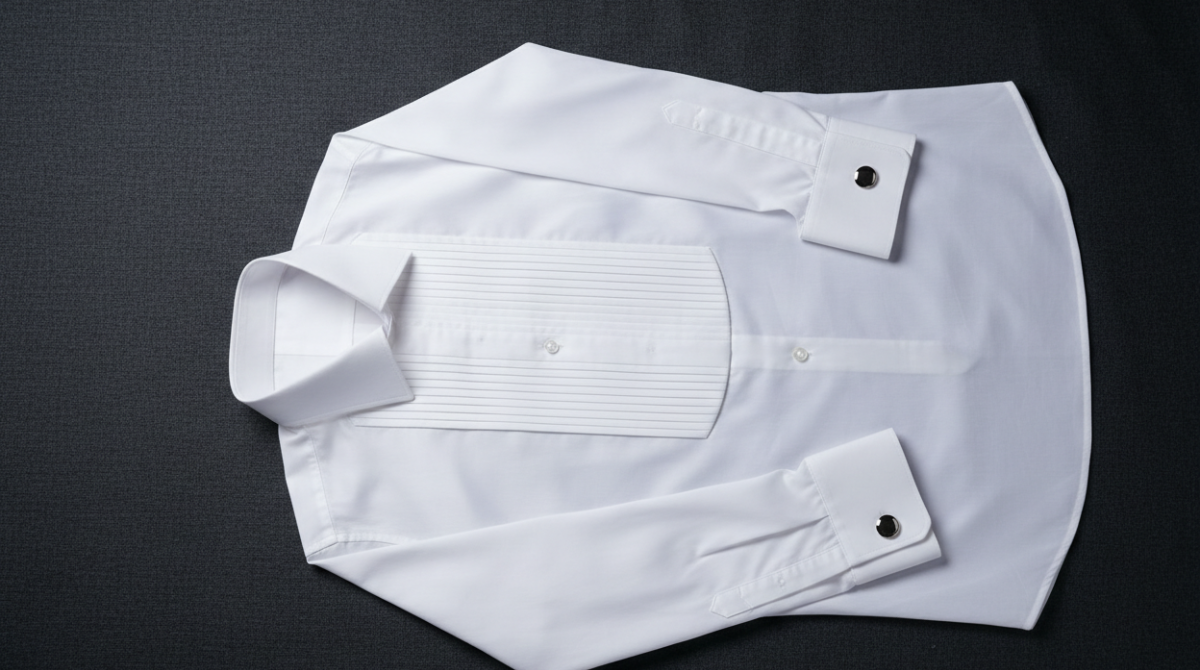
A tuxedo shirt is a dress shirt built to support formal eveningwear. It pairs with a dinner jacket and bow tie, and its details are designed to look crisp under low light and close-up photos.
The biggest differences come from the shirt front, collar, and cuffs. These elements decide whether the shirt reads true black-tie or drifts into standard business formal.
When To Wear A Tuxedo Shirt?
Tuxedo shirts are best reserved for events where a tuxedo is expected or strongly preferred. When the dress code leans formal, the shirt keeps the outfit consistent from head to cuff.
Common occasions include black-tie weddings, galas, formal dinners, opera nights, and award ceremonies. It can also work for upscale parties when the invitation indicates evening formal.
- Black-Tie Events: The tuxedo shirt is the default choice and looks correct with a bow tie and cummerbund or waistcoat.
- Creative Black-Tie: A tuxedo shirt still anchors the look, even with velvet jackets or subtle pattern play.
- Formal Photography Moments: The shirt front and collar hold structure, helping the bow tie sit cleanly in portraits.
Once the setting calls for a tuxedo, the shirt should match the level of polish and not compete with the jacket.
Key Tuxedo Shirt Features
Small construction choices have a big effect in formalwear. Knowing the core features makes it easier to buy one great shirt instead of cycling through almost-right options.
Focus on the collar style, the shirt front, the cuff, and the closure. These four areas shape the formality, comfort, and how well your accessories sit.
Collar Styles
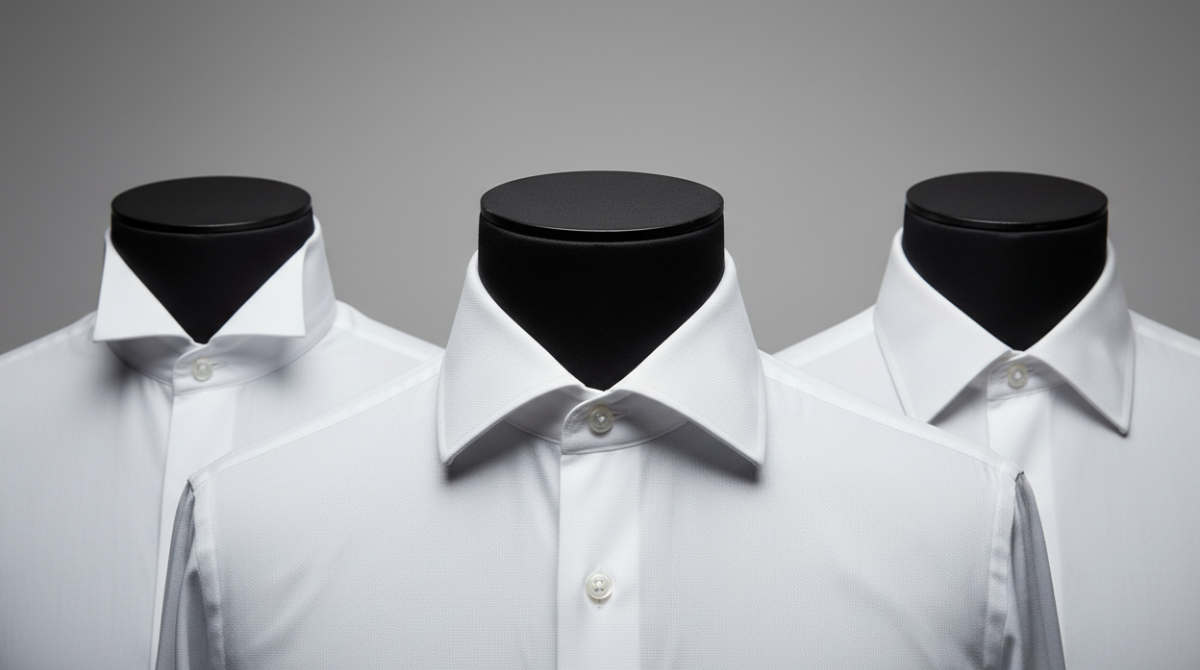
The collar must frame a bow tie without buckling or looking crowded. A stable collar also balances the lapel shape and your face shape.
- Wingtip Collar: Traditional for black-tie and designed specifically for a bow tie.
- Spread Collar: Clean and modern, usually better for comfort and more forgiving for different neck lengths.
- Point Collar: Less common for strict black-tie, but acceptable when the rest of the outfit stays formal.
Choose the collar based on the formality level and the type of tie you will wear, not just personal preference.
Shirt Front Options
The shirt front is the main visual field under a tuxedo jacket. It should look intentional and lie flat across the torso when you move or sit.
- Pleated Front: Classic and forgiving, adds texture without shouting.
- Marcella Bib: Stiffer, textured panel that looks sharp in traditional black-tie settings.
- Plain Front: Minimal and modern, best when the rest of the outfit is very clean and formal.
Keep the front neat and flat, since any bunching shows quickly when the jacket is buttoned.
Cuffs And Sleeve Finish
French cuffs are the most traditional choice and are designed for cufflinks. They also create a cleaner break between sleeve and hand, which looks refined when holding a drink or greeting guests.
Barrel cuffs can work for semi-formal use, but they usually look less elevated with a tuxedo jacket. If the event is true black-tie, French cuffs are the safer pick.
Studs And Plackets
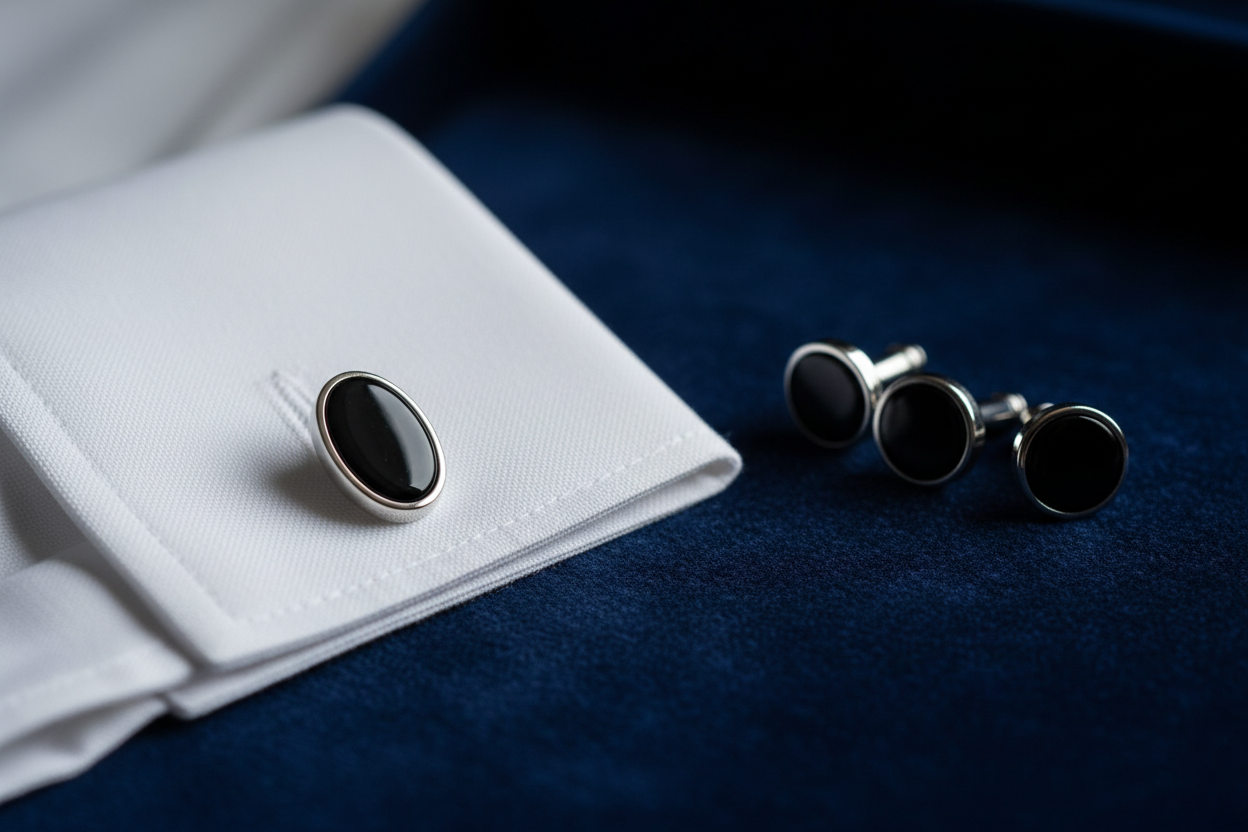
Some tuxedo shirts use removable studs instead of visible buttons. Studs add a formal accent and help the front look uncluttered.
If you choose studs, match the metal tone to your cufflinks and any watch case you wear. Keeping hardware consistent is an easy way to look intentional.
How To Choose The Right Tuxedo Shirt Fit?
Fit determines whether the shirt looks sharp or sloppy, even when the fabric is high quality. A tuxedo shirt should sit close enough to look clean but still allow breathing and arm movement.
Start with the neck and shoulders, since they are hard to alter. Then check sleeve length and body shape so the shirt stays smooth under the jacket.
- Get The Collar Right. You should fit two fingers under the collar when buttoned, with no choking or gapping.
- Confirm Shoulder Alignment. The shoulder seam should sit at the shoulder bone, not down the arm.
- Dial In Sleeve Length. Aim for a small cuff show under the jacket sleeve, usually around a half inch.
- Keep The Torso Clean. Choose a tailored shape that avoids ballooning, especially around the waist and lower back.
After fit, fabric and construction quality become more noticeable and easier to appreciate.
Tuxedo Shirt Styling With Jackets, Ties, And Waistwear
A tuxedo shirt supports the full formal system, not just the jacket. When each piece plays its role, the overall look feels effortless.
Prioritize balance between shine, texture, and structure. A strong shirt choice lets you keep the rest of the outfit simple and correct.
Bow Tie Pairing
Black silk bow ties are the most versatile and formal choice. Pre-tied can look fine when it fits well, but a well-shaped self-tie usually looks more natural.
Keep the bow proportional to your face and lapels, and avoid oversized shapes that overpower the collar. The bow should sit centered and level, with no collar collapse.
Jacket Lapels And Shirt Details
Satin or grosgrain lapels pair well with a marcella bib or pleated front. Matte lapels can work with a plain front for a modern, understated look.
When lapels are bold, keep the shirt simpler. When lapels are subtle, a textured bib can add depth without looking loud.
Cummerbund Or Waistcoat
Waistwear hides the shirt waist and creates a cleaner line between jacket and trousers. It also looks better in photos when the jacket opens.
- Cummerbund: Traditional with single-breasted jackets and helps maintain a classic black-tie silhouette.
- Waistcoat: Adds warmth and structure, and can look especially sharp with a shawl collar jacket.
Choose one, not both, and keep it in the same tone as the rest of the tuxedo.
Color And Fabric Choices That Stay Formal
White is the standard because it reads clean under evening lighting and works with nearly any tuxedo color. Off-white and bright optical whites can look harsher, so aim for a balanced white that photographs well.
Cotton poplin is a reliable all-round fabric with a crisp finish. For extra texture, pique and marcella bring depth to bib-front shirts without adding shine.
| Shirt Detail | Best For | Styling Notes |
|---|---|---|
| Wingtip Collar | Traditional black-tie | Pairs best with a bow tie and formal studs |
| Spread Collar | Modern black-tie | Works well with wider lapels and clean fronts |
| Pleated Front | Versatile formal events | Adds texture and is forgiving across body shapes |
| Marcella Bib | Strict dress codes | Looks sharp with satin lapels and French cuffs |
Use the chart to match shirt details to the dress code and the finish of your tuxedo. Keeping textures coordinated prevents the outfit from looking pieced together.
Accessories That Elevate Without Overdoing It
The right accessories finish the look, but too many statements dilute the formality. Aim for a small set of high-quality pieces that match in tone and level of shine.
Choose one visual highlight and keep everything else restrained. This approach reads confident and avoids a costume feel.
- Cufflinks: Simple metals, onyx, or mother-of-pearl stay timeless and photograph cleanly.
- Studs: Use only if the shirt is designed for them, and match them to the cufflinks.
- Pocket Square: White linen or cotton folds neatly and keeps the focus on the face.
- Watch: A thin dress watch is best, and going without is also acceptable at strict events.
Once accessories are set, a final check on proportion and neatness makes the whole outfit feel intentional.
Common Styling Mistakes To Avoid
Most tuxedo shirt mistakes come from mixing business wear habits with formalwear rules. Small details like collar shape and cuff style become obvious in close conversation and event photography.
Correcting these issues usually takes minutes, not a full wardrobe change.
- Wearing A Long Necktie: A standard necktie rarely looks right with a tuxedo shirt and dinner jacket.
- Skipping Proper Sleeve Length: No cuff showing makes the jacket look too long and the outfit less tailored.
- Overly Shiny Shirts: High sheen can look cheap under flash and competes with lapel facing.
- Wrong Collar With Bow Tie: A weak collar can collapse and make the tie look messy.
Fixing these basics helps even an affordable tuxedo shirt look polished and event-ready.
Care And Preparation Before The Event
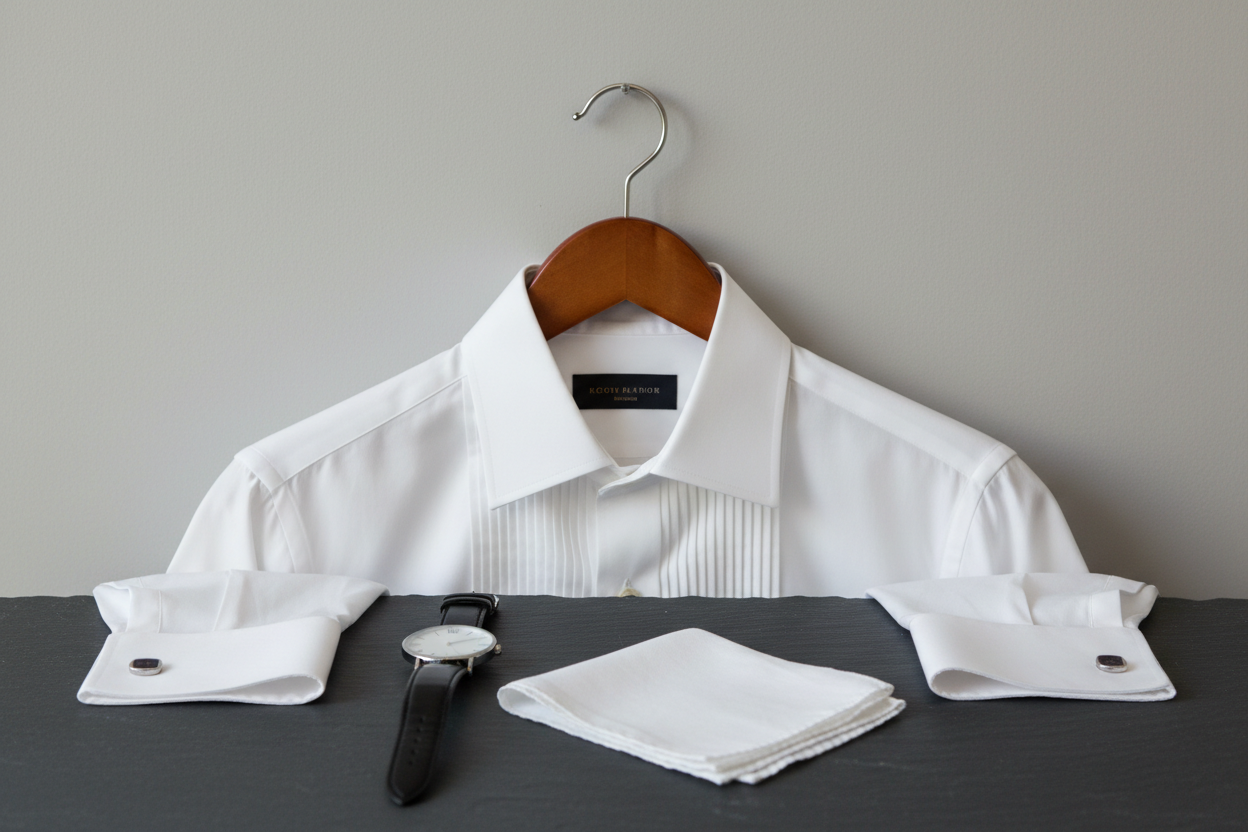
Formal shirts show wrinkles more than casual ones because the fabric is lighter and the front is prominent. Prepare the shirt early enough to handle pressing, missing buttons, or collar issues.
Store it on a wide hanger and keep the collar supported. If the shirt uses studs, test the stud holes and keep spares in your kit.
- Press The Front And Collar. A crisp front panel and flat collar create a clean frame for the bow tie.
- Check Fasteners. Confirm buttons, studs, and cufflink holes are secure and easy to use.
- Do A Full Try-On. Put on the full outfit to confirm collar comfort, sleeve length, and waistwear alignment.
With preparation handled, you can focus on the event instead of adjusting your shirt every time you move.
Conclusion
Tuxedo shirts for men work best when they match the formality of the occasion and the structure of the tuxedo. Prioritize a stable collar, a clean shirt front, and French cuffs to keep the outfit consistent and sharp.
Choose details that coordinate with lapels and accessories, then focus on fit and pressing. When the shirt is right, everything else in black-tie styling becomes easier.