
Blog
How Many Men’s Dress Shirts Do You Need for a Weekly Work Wardrobe?

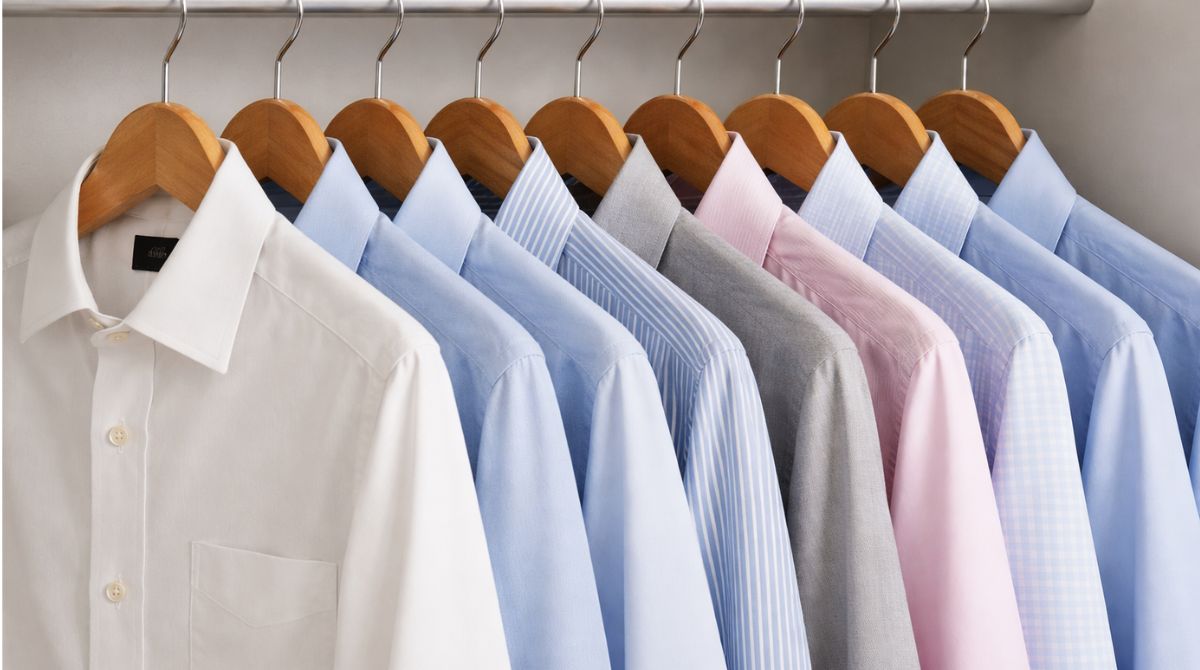
Navigating the requirements of a professional wardrobe can feel daunting. One common question for any working man is figuring out the optimal number of dress shirts needed for a typical work week. Having the right amount ensures you always look sharp, feel confident, and streamline your morning routine without unnecessary stress.
A well-planned shirt collection is not just about quantity; it is about strategic selection. This guide will help you understand the essential factors, build a versatile rotation, and maintain a polished image consistently. Let us explore how to build an efficient and stylish collection of men’s dress shirts.
Why Planning Your Dress Shirt Rotation Matters?
A thoughtful dress shirt rotation extends the life of each garment significantly. Constantly wearing and washing the same few shirts leads to quicker wear and tear, fading, and a diminished appearance over time. Rotating through a larger collection allows each shirt to rest, recover, and avoid excessive laundering cycles.
Furthermore, a diverse rotation prevents wardrobe fatigue. It ensures you always have clean, fresh options readily available, even if laundry day gets delayed. This strategic approach minimizes decision fatigue in the mornings and guarantees a consistently polished and professional look.
Factors That Decide How Many Shirts You Need
The perfect number of dress shirts is not a one-size-fits-all answer. Several personal and professional factors influence this decision, from your daily activities to your laundry habits. Considering these elements will help tailor your wardrobe to your specific needs.
Your Work Environment
A formal corporate setting often demands a fresh dress shirt daily, requiring a larger stock. Roles in law, finance, or executive management typically necessitate crisp, impeccably maintained shirts. In contrast, a business casual workplace might allow for more flexibility, potentially extending the wear of some shirts for light use, though a fresh shirt daily is always recommended for professionalism.
Consider the level of client interaction and the overall office culture. A highly visible role will naturally require more pristine attire. Your industry and daily responsibilities are key in determining this aspect of your professional apparel needs.
Laundry Frequency
Your laundry routine plays a significant role in wardrobe planning. If you do laundry once a week, you will need enough shirts to cover all your working days, plus a few spares. This ensures you are never caught without a clean option.
For those who prefer dry cleaning, the turnaround time also impacts your needs. A longer dry-cleaning cycle means you will require a larger reserve of dress shirts to bridge the gap. Conversely, more frequent laundering or dry cleaning allows for a smaller core collection.
Personal Style Preferences
Do you enjoy a wide variety of colors and patterns, or do you prefer a minimalist approach? Your personal style dictates the breadth of your collection. Men who like to express themselves through diverse sartorial choices will naturally lean towards a larger inventory of shirts.
Those who stick to classic whites and blues might find a smaller, carefully curated selection sufficient. Consider how much variety you desire in your daily ensembles and how often you wish to introduce new looks. This personal element is crucial for satisfaction with your wardrobe.
Commute and Activity Level
A long or strenuous commute, especially in warmer climates, can necessitate a fresh shirt change upon arrival or at least a spare for unexpected situations. Similarly, if your job involves significant physical activity or travel, your shirts might soil or wrinkle more quickly.
Consider the climate of your location and the facilities available at your workplace. Having extra shirts ensures you can maintain a fresh and polished appearance throughout the day, regardless of external factors or unforeseen circumstances that may arise.
Sample Wardrobe: 5-Day Office Week
For most professionals working a standard five-day week, a thoughtful approach to dress shirt inventory is essential. This sample wardrobe illustrates how to build a functional and stylish collection, providing options and flexibility without overstuffing your closet. It balances practicality with aesthetic variety.
The Core Five
At an absolute minimum, you need five high-quality dress shirts to cover each day of the work week. This basic set allows for daily changes, ensuring freshness. However, it offers no buffer for spills, unexpected meetings, or delayed laundry cycles.
This minimalist approach requires strict adherence to laundry schedules. It also limits your stylistic options, primarily focusing on functionality. A basic five-shirt rotation is a starting point, not an ideal long-term solution for most professional men.
Adding Versatility: Seven to Ten Shirts
Expanding your collection to seven or even ten mens dress shirts provides crucial flexibility and extends the lifespan of each garment. A seven-shirt rotation gives you a fresh shirt for every day of the week, plus two spares for emergencies or to allow for a more relaxed laundry schedule.
A ten-shirt collection offers even greater versatility, allowing for different color combinations, pattern rotations, and the ability to go nearly two weeks without repeating a shirt. This range is ideal for professionals who value convenience, variety, and durability.
YBrand makes planning your weekly dress shirt rotation much easier by offering thoughtfully curated collections for 5-, 7-, and 10-shirt wardrobes. Their range covers essential white and light blue shirts, subtle patterns, and a few refined colours in consistent, office-ready fits. By focusing on breathable cotton fabrics and durable construction, YBrand shirts are designed to rotate smoothly through busy workweeks, helping you look fresh every day while extending the life of each piece.
Recommended Mix of Colors and Patterns
Building a versatile collection involves more than just numbers; it also requires a strategic mix of colors and patterns. The right assortment ensures your shirts can be paired with various suits, ties, and trousers, maximizing their utility and enhancing your overall professional image. Start with the foundational pieces and gradually introduce more distinctive options.
Essential Solids
Begin your collection with foundational solid colors that are endlessly versatile. White dress shirts are non-negotiable, serving as the ultimate canvas for any suit and tie combination. Aim for at least two to three crisp white shirts.
Light blue dress shirts are another essential, almost as versatile as white but offering a subtle color variation. Include two or three light blue options in your core collection. These solid colors form the backbone of any professional wardrobe, suitable for nearly any occasion.
Subtle Patterns
Once your solid foundation is established, introduce subtle patterns to add visual interest. Fine stripes, such as pencil stripes or Bengal stripes, offer a classic and sophisticated touch. Incorporate one or two striped shirts, preferably in blue or gray tones.
Small checks, like gingham or micro-checks, provide texture without being overly distracting. These patterns work well to break up the monotony of solid suits and can be dressed up or down. Choose patterns that are understated and professional for optimal versatility in a business setting.
Beyond the Basics: Expanding Your Palette
For those looking to diversify further, consider adding shirts in colors like light pink, lavender, or subtle grays. These colors offer a refreshing alternative to traditional blues and whites while remaining professional. They can provide a distinctive touch to your overall ensemble.
Darker solids like navy or charcoal can also be introduced for specific looks or colder seasons, though they are less universally versatile than their lighter counterparts. When expanding, prioritize colors that complement your existing wardrobe and personal aesthetic, ensuring cohesive and stylish outfits.
How to Build Your Shirt Collection Slowly?
Building a comprehensive dress shirt collection does not need to happen all at once. A gradual, strategic approach allows you to invest in quality pieces, refine your style, and ensure each addition serves a purpose. This method is both budget-friendly and ensures thoughtful curation over time.
Avoid impulse purchases and focus on acquiring versatile pieces that integrate seamlessly with your existing clothing. Patience and careful consideration are key to developing a robust and adaptable professional wardrobe that stands the test of time.
- Start with core essentials. Begin by purchasing three to five high-quality white and light blue dress shirts. These foundational pieces will cover your immediate needs and provide a strong base for future additions. Focus on excellent fit and durable fabrics.
- Invest in quality over quantity. Prioritize buying fewer, better-made shirts that will last longer and maintain their appearance. A well-constructed shirt drapes better and withstands more washes, proving more cost-effective in the long run than numerous cheap alternatives.
- Expand with versatile patterns. Once your core is strong, add one or two subtly patterned shirts, such as fine stripes or small checks. Choose patterns in classic colors like blue or gray, ensuring they can be mixed and matched with multiple suits and ties.
- Introduce new colors thoughtfully. Gradually bring in shirts in complementary colors like light pink or lavender. Assess how these new shades integrate with your existing jackets and trousers. Ensure they enhance your wardrobe rather than clashing with it.
- Regularly assess and refine. Periodically review your dress shirt collection. Remove any shirts that are worn out, ill-fitting, or no longer align with your professional image. This keeps your wardrobe fresh, functional, and reflective of your current style needs.
By following these steps, you can systematically build a powerful collection of mens dress shirts that supports your professional life with style and efficiency. This ensures you are always prepared for any occasion, maintaining a polished image effortlessly.