
Blog
Are Custom Shirts Worth It in Pakistan? What to Know Before Ordering

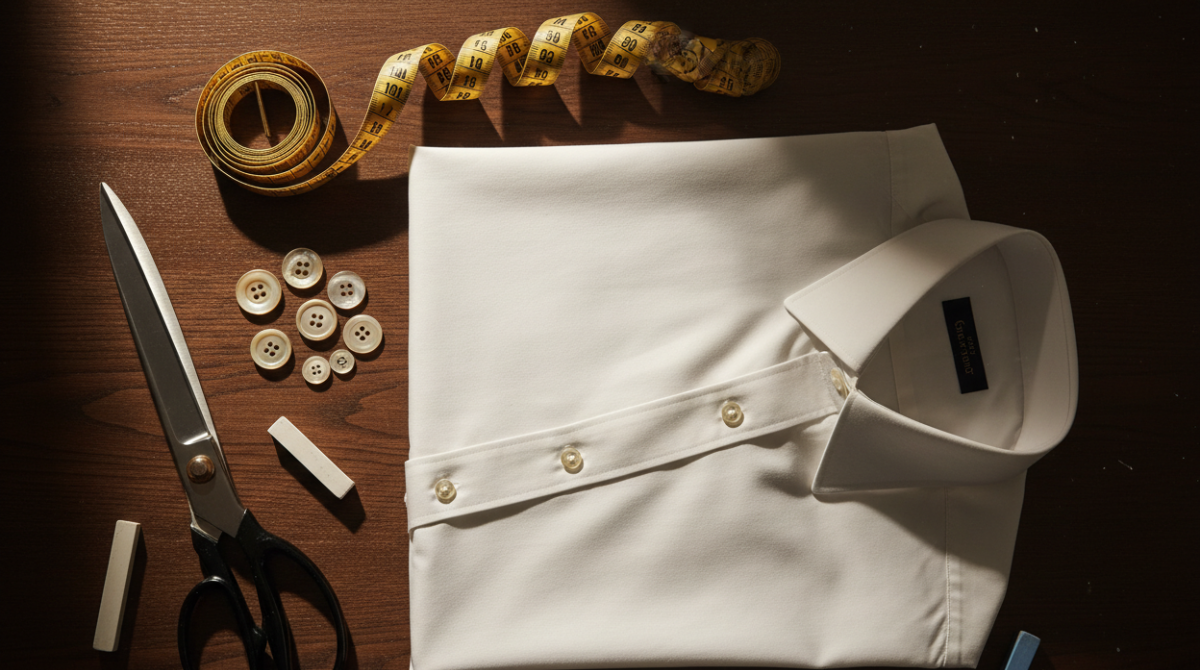
Are Custom Shirts Worth It in Pakistan? What to Know Before Ordering
Custom shirts can feel like a luxury in Pakistan, but they are often a practical buy when fit, comfort, and long-term wear matter. The real question is not whether custom is “better,” but whether it matches your budget, body shape, and use case. This guide breaks down what affects value so you can order with confidence.
What Custom Shirts Mean In Pakistan?
In Pakistan, a custom shirt usually means a made-to-measure shirt stitched after taking your measurements. It can also include fabric selection, collar and cuff choices, and small personalization details such as pocket style.
Bespoke is sometimes used loosely, but true bespoke involves a unique pattern drafted for you and multiple fittings. Many local tailors offer strong made-to-measure value without the full bespoke process.
When Custom Shirts Are Actually Worth It?

Custom makes the most sense when ready-made sizing fails you. If you regularly adjust sleeves, shoulders, chest, or shirt length, the alteration cost and time can add up.
It is also worth it when you want fabric control and stitching durability. A well-stitched shirt with stable seams and proper shrink allowance often outlasts cheaper off-the-rack options.
- Hard To Fit Proportions: Broad shoulders, longer arms, or a smaller waist-to-chest ratio benefit from made-to-measure.
- Workwear Needs: Daily office wear feels better with breathable fabric and consistent collar shape that stays neat.
- Event Dressing: Weddings, mehndi functions, and formal dinners look cleaner when the collar sits right and the placket lies flat.
- Comfort Priorities: Sensitive skin or heat discomfort improves with the right weave and softness.
Once you know why you are buying, it becomes easier to decide how much customization you actually need.
What Drives The Price In Pakistan?
Cost is shaped by fabric quality, stitching labor, and finishing details. Location matters too, since tailoring rates in major cities can differ from smaller markets.
Be cautious with very low quotes. If the rate seems too good, the compromise is usually fabric inconsistency, weak interlining, rushed stitching, or poor quality control.
- Fabric Category: Cotton, cotton blends, and wrinkle-resistant weaves can vary widely in hand feel and longevity.
- Thread And Buttons: Strong thread and heat-resistant buttons reduce breakage after repeated washing.
- Pattern Matching: Checks and stripes look premium when matched at the seams, but it takes more time and fabric.
- Interlining And Fusing: Collar and cuff structure depends on the right interlining and correct pressing technique.
Pricing becomes fair when you can see what is included and what is not, especially around fittings and remake policy.
Fabric Choices That Work Best For Local Weather
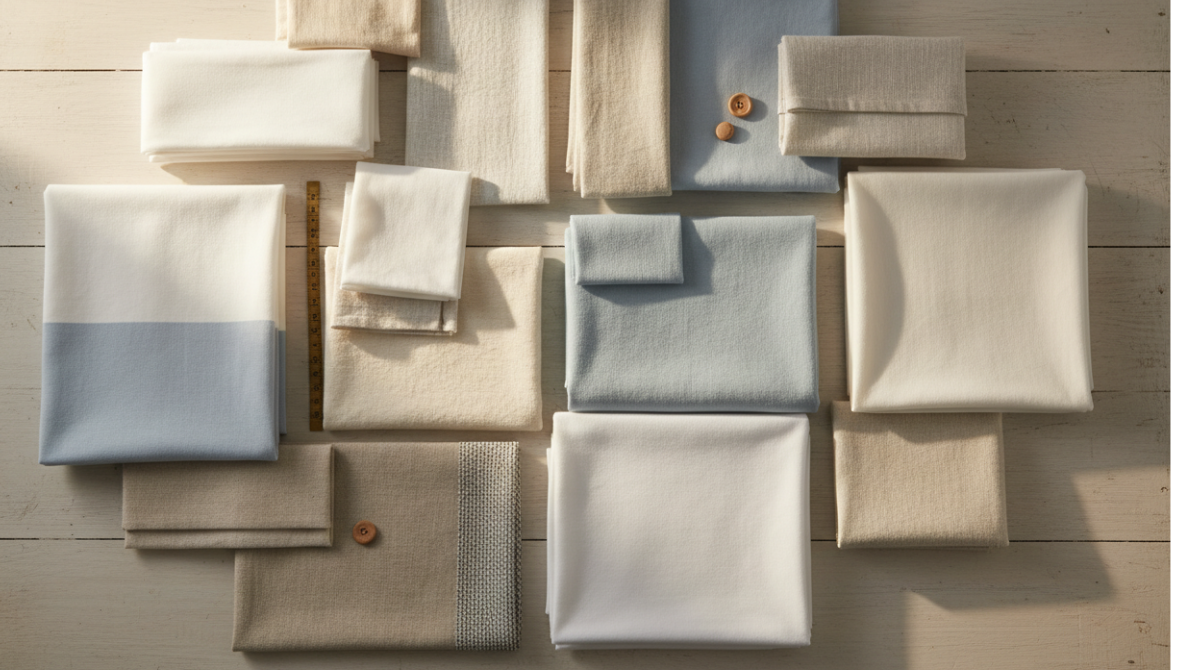
Pakistan’s climate makes fabric selection more important than most buyers expect. A shirt that looks good on the hanger can feel heavy, clingy, or overly warm on a humid day.
Pure cotton is a safe baseline for comfort and breathability. If you need easier maintenance, blends can reduce wrinkling, but the feel can be less breathable depending on the mix.
- Lightweight Cotton: Good for summer and long wear, with better airflow and less sweat buildup.
- Midweight Cotton: Works for year-round office use, with better drape and opacity.
- Wrinkle-Resistant Options: Useful for travel and busy schedules, but confirm the finish does not feel plasticky.
- Color Stability: Dark shades should be checked for dye bleed and fading after washing.
Ask whether the fabric is pre-shrunk or whether shrink allowance is added during cutting, since this affects post-wash fit.
Fit And Measurements That Matter Most
Measurements are the foundation of a successful custom shirt. A skilled tailor measures beyond chest and length, especially if you want a clean shoulder line and sleeve mobility.
Good fit also depends on posture, shoulder slope, and how you wear your shirt during a normal day. A shirt that fits only when you stand still will feel restrictive when you sit, drive, or reach.
- Shoulder Width: Prevents pulling and keeps the sleeve head sitting correctly.
- Sleeve Length And Bicep Room: Ensures comfort and prevents sleeve twist and tightness.
- Neck Size: Helps the collar close without choking and keeps the collar points aligned.
- Shirt Length: Determines whether it stays tucked without ballooning at the waist.
If the tailor offers a try-on or first fitting, it usually improves the final result even for simple designs.
Stitching And Construction Details To Check
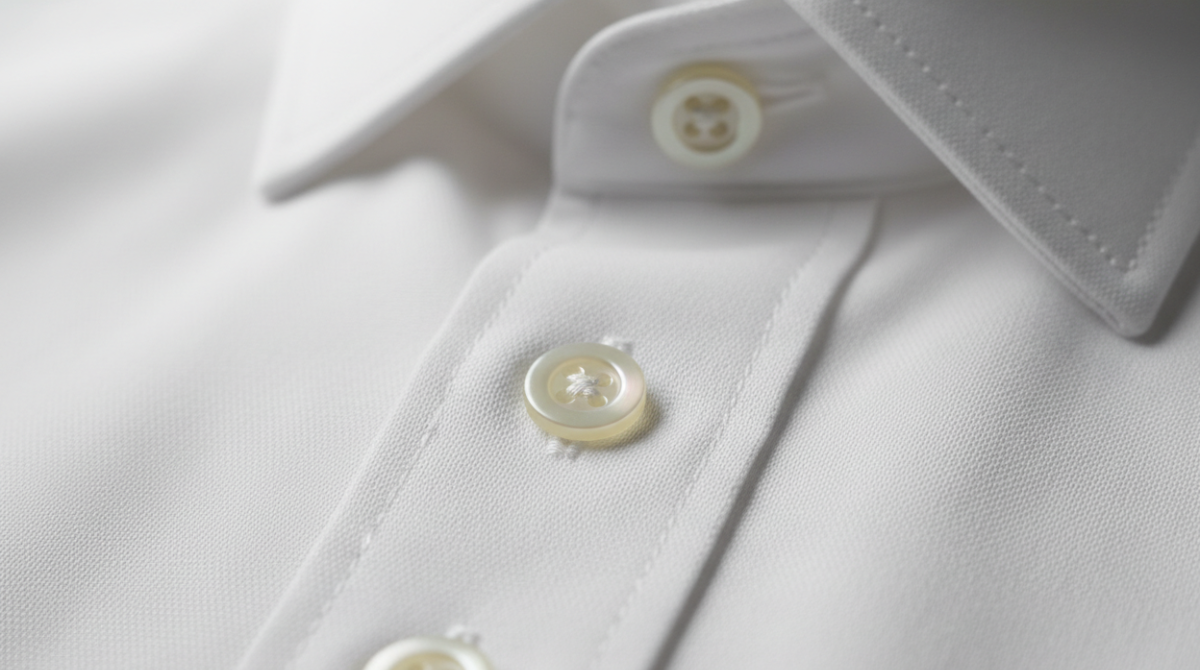
Durability is where custom can either shine or disappoint. Many buyers focus on fabric and ignore construction, but stitching quality decides whether the shirt holds up at the seams.
Inspect seam straightness, stitch density, and reinforcement at stress points. Collars and cuffs should feel structured without being stiff or overly fused.
- Seam Finish: Clean finishing reduces fraying and improves comfort on the inside.
- Placket Alignment: A straight placket keeps the front neat and prevents twisting.
- Collar Stand Shape: A well-shaped stand helps the collar sit properly under a blazer.
- Button Security: Tight, even button stitching prevents early loss.
These checks take minutes and often reveal whether the shirt is built for repeated wear or only for a few occasions.
Custom Vs Ready Made In Pakistan
Ready-made shirts can offer convenience and predictable pricing. They work well if you already fit standard sizing and you are satisfied with common collar styles and sleeve lengths.
Custom earns its value when you care about precise fit, fabric selection, and consistent sizing across multiple shirts. If you plan to build a small rotation for work, consistency can be a big advantage.
| Factor | Custom Shirts | Ready Made Shirts |
|---|---|---|
| Fit Accuracy | Tailored to your measurements and posture | Limited to standard size chart |
| Fabric Control | You choose weave, weight, and feel | Dependent on brand stock |
| Time To Receive | Typically several days to a few weeks | Immediate purchase |
| Long Term Value | Higher if construction is strong and fit stays stable | Varies widely by brand and care |
Use the table as a quick filter, then decide based on how often you will wear the shirts and how sensitive you are to fit issues.
Red Flags Before You Place An Order
A few warning signs can save you from wasting money. Many problems show up before a single stitch is done, especially around communication and measurement habits.
Look for clear answers, transparency, and willingness to adjust. If the seller avoids specifics, the final shirt often reflects that lack of care.
- No Discussion Of Shrinkage: Cotton can shrink and ruin sleeve length if it is not planned for.
- Rushed Measurements: Quick tape work without posture checks can lead to tight shoulders and twisted sleeves.
- Unclear Stitching Standard: If seam finish and collar structure are not explained, quality can be inconsistent.
- No Alteration Policy: A basic adjustment option is important, especially for first-time orders.
Trust builds when the tailor explains choices in plain language and confirms what will be delivered.
How To Order Custom Shirts With Less Risk?
A careful ordering process reduces common disappointment points. Your goal is to lock down fit expectations, fabric behavior, and finishing details before cutting begins.
Keep the first order simple. Once fit is confirmed, you can explore more style options with far less uncertainty.
- Confirm The Use Case. Specify whether the shirt is for office wear, events, or daily casual use so fabric and fit can match the need.
- Choose Fabric With Care Notes. Ask how it should be washed, whether it is colorfast, and whether it needs shrink allowance.
- Lock The Fit Preferences. Agree on ease at chest and waist, sleeve length, cuff size, and whether you tuck it in often.
- Decide Key Style Details. Set collar type, cuff type, pocket choice, and button color to avoid last-minute assumptions.
- Clarify Alterations And Timelines. Confirm delivery date and whether minor adjustments are included after the first try-on.
After the first shirt, keep a written record of final measurements and adjustments to make reorders consistent.
Conclusion
Custom shirts are worth it in Pakistan when you value reliable fit, breathable fabric, and stronger construction than most mass-market options. They are less worth it when you need a shirt immediately, you are happy with standard sizing, or the seller cannot explain quality details.
Start with one well-planned order, verify fit after washing, and only then expand your wardrobe. That approach protects your budget and helps custom deliver real, lasting value.