
Blog
Best Shirt Fabrics for Men in Pakistan: A Guide for Hot Weather

Best Shirt Fabrics for Men in Pakistan: A Guide for Hot Weather
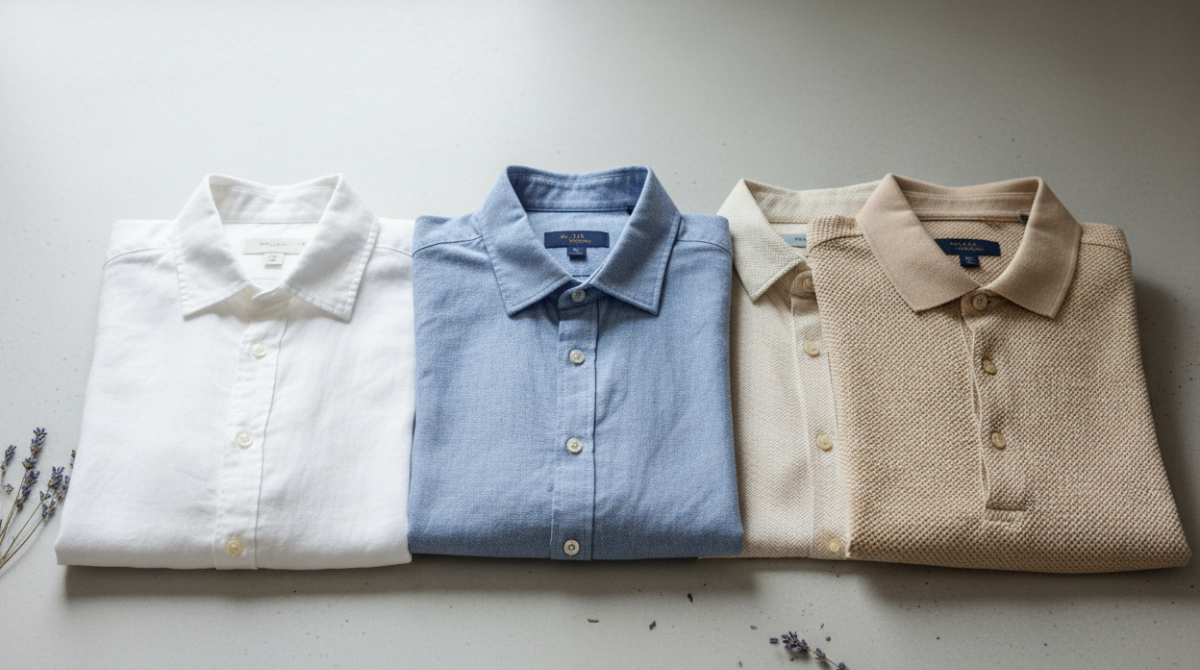
Pakistan’s long warm seasons make shirt fabrics choice as important as fit. A shirt that looks sharp but traps heat can feel heavy within minutes, especially in humidity.
The best results come from breathable fibers, a weave that lets air move and a finish that stays comfortable against skin. Small details like color, thickness and texture matter more than most people expect.
What Makes A Shirt Fabric Good For Hot Weather?
Hot-weather comfort is mostly about airflow, moisture control and how the fabric sits on the body. A fabric can be natural, blended, or synthetic and still perform well if the weave and weight are right.
Focus on how quickly it dries, whether it clings and how it holds shape after sweating. Also consider how it feels under a backpack strap, seat belt, or waistcoat.
- Breathability: Open weaves and natural fibers let heat escape and reduce that sticky feeling.
- Moisture handling: Some fabrics absorb sweat, others wick it and dry fast and many do a bit of both.
- Weight and thickness: Lightweight fabric feels cooler, but too thin can turn see-through or wrinkle easily.
- Softness on skin: Smooth yarns reduce irritation, especially around the neck and underarms.
- Wrinkle behavior: Creasing is normal in summer, but a good weave keeps wrinkles looking natural, not messy.
Once these basics are clear, the choice becomes easier across formality levels and budgets.
Cotton Fabrics That Work Best In Heat
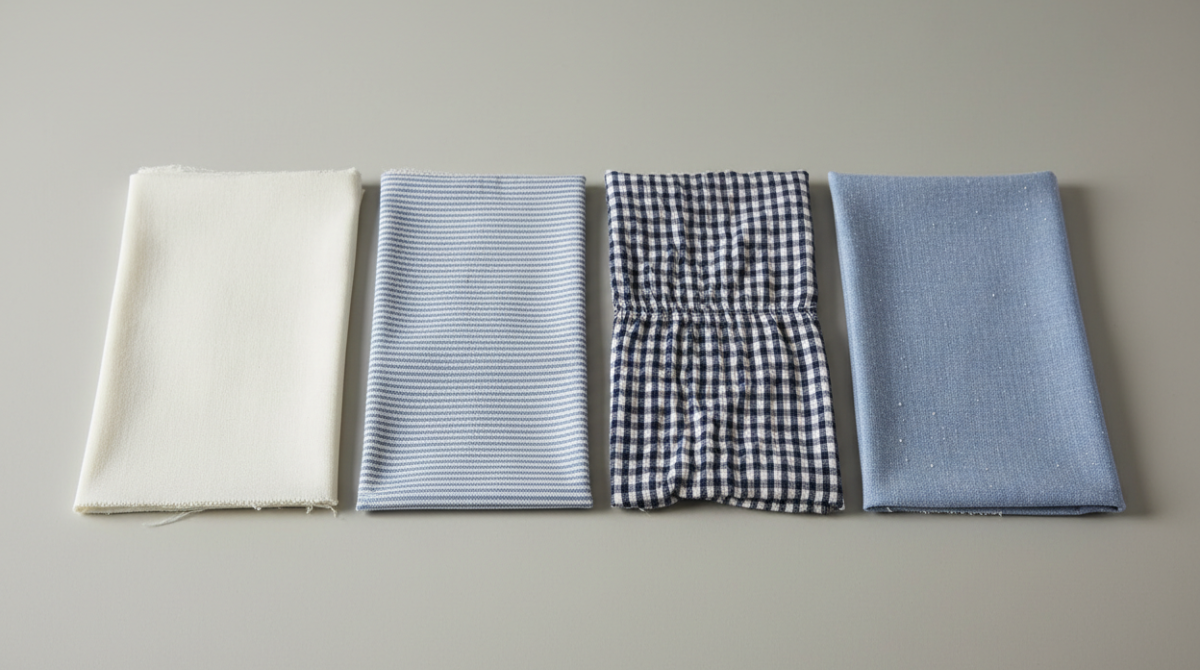
Cotton is the most practical everyday option for men’s shirts in Pakistan. It breathes, feels familiar and handles frequent washing well when quality is decent.
Not all cotton feels the same because yarn type and weave change everything. Pick the cotton based on how formal the shirt needs to look and how much sweat you deal with.
Poplin Cotton
Poplin is smooth, crisp and usually lightweight, so it is a strong choice for office shirts in warm weather. It looks clean, pairs well with trousers and stays presentable with minimal styling.
Go for slightly heavier poplin if you want less transparency in light colors. A good poplin also releases heat better than many dense weaves.
Oxford Cotton
Oxford has a textured basket weave that allows airflow while staying durable. It suits smart-casual wear and works well when you want structure without stiffness.
In peak heat, choose a lighter Oxford rather than heavy “traditional” Oxford. It will still hold shape but feel less bulky.
Seersucker Cotton
Seersucker has a puckered surface that holds the fabric off the skin. That extra space improves ventilation and reduces cling when humidity rises.
It naturally looks casual, so it fits weekends, travel and relaxed office settings. It also hides wrinkles better than flat fabrics.
Chambray Cotton
Chambray is lighter than denim and usually woven with a colored warp and white weft for a soft depth. It is comfortable and breathable when the weight is kept low.
It works well for casual shirts and can be dressed up with clean tailoring. Darker shades may feel warmer under direct sun than pale chambray.
Linen And Linen Blends For Maximum Breathability
Linen is one of the coolest shirt fabrics because flax fibers breathe exceptionally well. It dries quickly and feels airy, making it ideal for hot cities and coastal humidity.
Pure linen wrinkles easily, but that is part of its character. If you want a neater look, linen blends offer a good compromise while keeping most of the airflow.
- Pure linen: Best ventilation and quick drying, with visible creasing that suits relaxed tailoring.
- Linen cotton blend: Softer hand feel and less wrinkling, still breathable for daily wear.
- Linen viscose blend: Drapes smoothly and feels cool, but needs careful washing to prevent stretching.
Linen looks best with a slightly roomier fit so air can circulate and the fabric can move naturally.
Lightweight Summer Blends That Stay Sharp
Blends can be a smart pick in Pakistan when you need easier care or a cleaner finish. The goal is not to chase the lowest wrinkle count, but to balance comfort with a neat appearance.
Pay attention to the percentage and the feel in hand. A blend that is too synthetic can trap heat, while a well-designed blend can reduce creasing without turning sticky.
Cotton Polyester
Cotton polyester shirts are common because they hold shape and resist wrinkles. They can work for long office days if the fabric is light and the weave is not overly tight.
Choose a blend that still feels breathable and avoid glossy finishes. A matte, airy weave usually feels cooler and looks more premium.
Cotton Modal
Modal adds softness and better drape while remaining comfortable in heat. It tends to feel smooth on the skin and can reduce the stiffness some cotton weaves have.
These shirts can look refined for smart casual wear, especially in solid colors. Check care instructions, since softer blends can stretch if handled roughly.
Cotton Elastane
A small amount of elastane improves movement and helps the shirt keep its shape around shoulders and elbows. It is useful if you prefer a slimmer fit without pulling or tightness.
Keep elastane low so the shirt still breathes. Too much stretch can make fabric cling when you sweat.
Weaves And Finishes That Affect Cooling
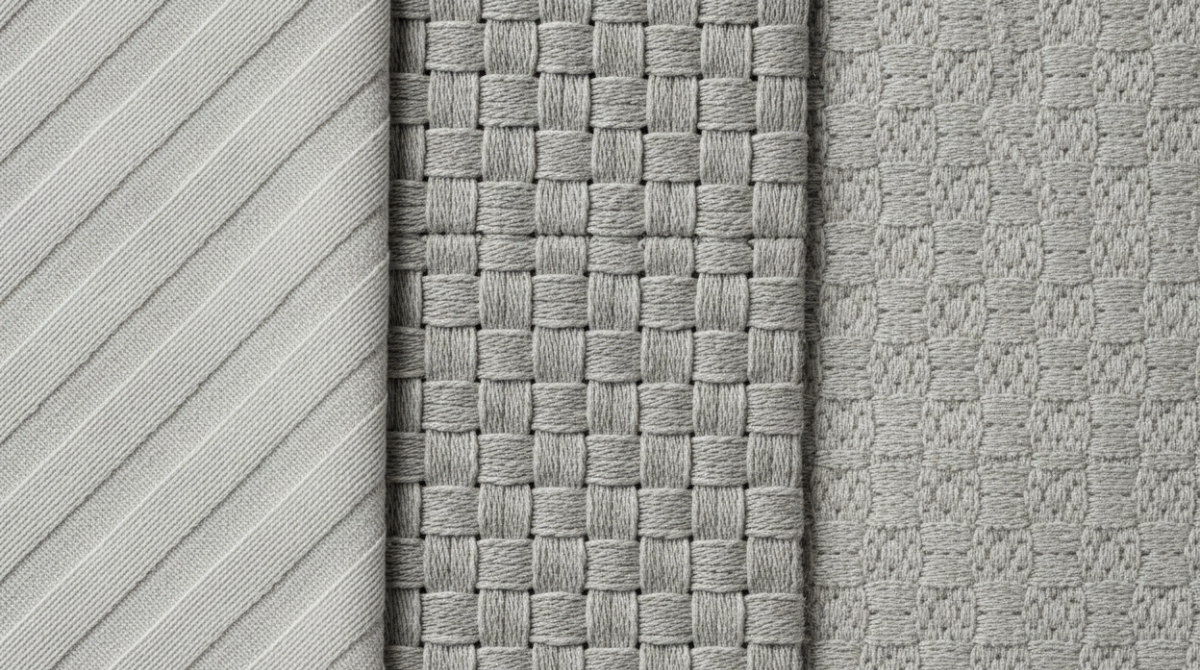
Two shirts made from the same fiber can feel completely different depending on weave and finish. The weave controls airflow, while finishing influences softness, shine and sweat comfort.
Look for fabrics described as lightweight, breathable, or open weave, then confirm by holding the cloth to light. If it looks like it has space between yarns, it usually ventilates better.
- Plain weave: Balanced and crisp, often used in poplin and broadcloth, great for formal looks.
- Basket weave: More texture and airflow, common in Oxford styles.
- Dobby weave: Subtle patterns that can improve breathability while staying dressy.
- Brushed finish: Softer feel but can add warmth, better for mild evenings than peak midday heat.
When shopping, prioritize feel and airflow over marketing terms printed on tags.
Fabric Comparison Table For Hot Weather Shirts
| Fabric | Cooling And Breathability | Best Use In Pakistan |
|---|---|---|
| Poplin cotton | High breathability, crisp feel, low bulk | Office shirts, formal wear, daily commuting |
| Oxford cotton | Moderate to high airflow with textured weave | Smart casual, durable everyday shirts |
| Pure linen | Very high cooling, dries quickly, wrinkles easily | Peak summer, humid areas, relaxed tailoring |
| Linen cotton blend | High breathability with improved wrinkle control | Work-to-weekend shirts, travel-friendly wear |
Use this as a quick filter, then decide based on the occasion and how much structure you want in the shirt.
Color, Weight And Fit Matter As Much As Fabric
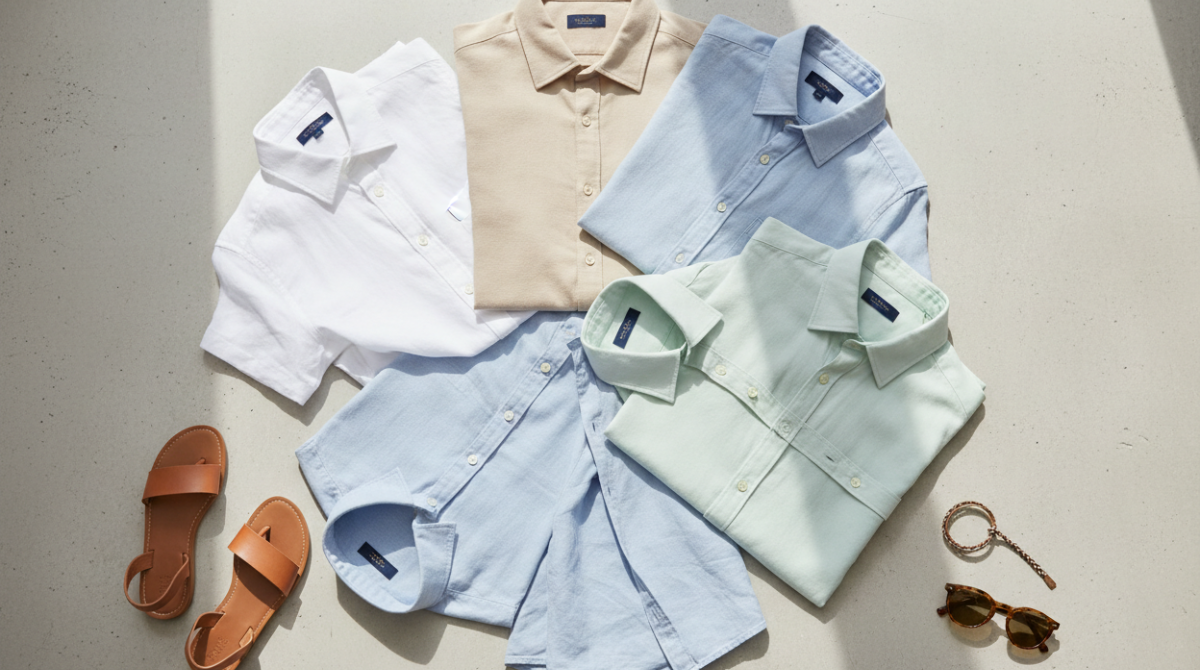
Fabric choice works best when paired with the right color and cut. Dark colors absorb more heat, while lighter shades reflect sunlight and feel cooler outdoors.
Weight is just as important as fiber. A heavy cotton can feel hotter than a light linen blend, even if the fiber is breathable.
- Choose light to mid weights: Enough body to look polished, light enough to ventilate.
- Prefer lighter colors: White, sky, beige and soft pastels suit hot daytime wear.
- Leave room for airflow: A trim fit is fine, but avoid tight chests and tight armholes in summer.
- Mind collar comfort: Softer interlining and breathable linings reduce neck irritation in heat.
These adjustments often improve comfort more than switching to a new fabric alone.
Care Tips To Keep Summer Shirts Fresh
Heat and sweat increase the need for gentle but consistent care. Correct washing also preserves breathability because detergent buildup and over-softening can clog fibers.
Air drying is usually kinder than high heat drying, especially for linen and lightweight blends. Iron while slightly damp for a smoother finish with less effort.
- Wash with the right load. Avoid overstuffing the machine so water can move through the fabric and rinse fully.
- Use moderate detergent. Excess detergent can leave residue that reduces softness and airflow over time.
- Dry in shade with airflow. Direct harsh sun can fade color quickly, while moving air helps prevent musty smells.
- Iron with heat control. Use higher heat for cotton, lower heat for blends and steam for linen to relax wrinkles.
Consistent care keeps shirts feeling lighter, cleaner and more comfortable through repeated wears.
Conclusion
The best shirt fabrics for men in Pakistan for hot weather are the ones that balance breathability, comfort and a look that matches your routine. Poplin and lightweight Oxford cover most daily needs, while linen and linen blends deliver the coolest feel when temperatures climb.
Check weave, weight and fit before buying, then choose colors and care habits that support comfort. With the right fabric, a summer shirt can stay sharp without feeling heavy or sticky.